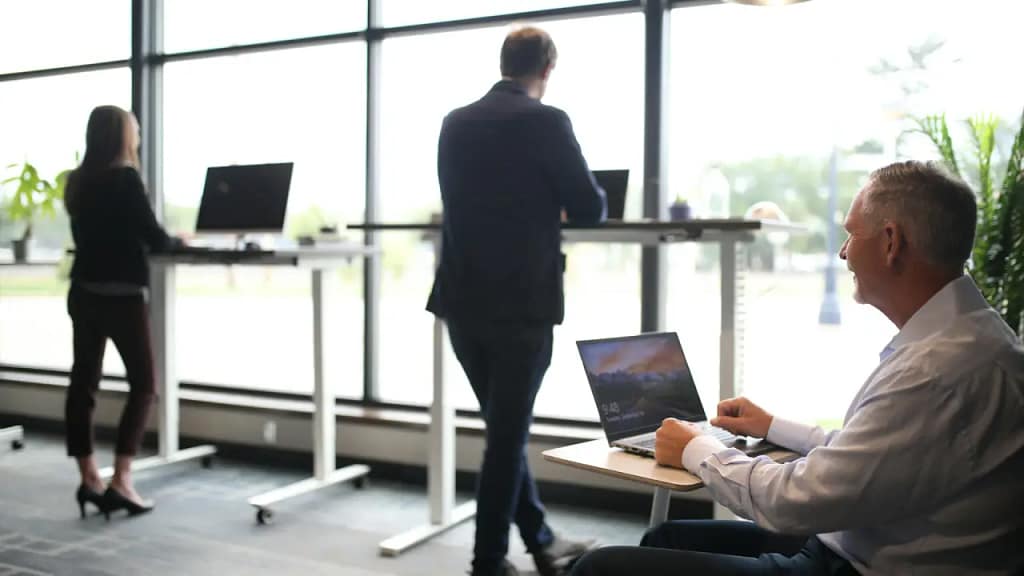
Modern life can make sitting surprisingly easy.
You may sit at a desk for work, sit in the car or on public transport, sit while watching television and then spend more time sitting in front of a computer or phone.
You can also exercise regularly and still spend a large part of the rest of the day being sedentary.
That distinction matters.
Exercise is important, but it does not mean that prolonged sitting suddenly becomes irrelevant. Current World Health Organization guidance recommends that adults limit sedentary behaviour and replace sedentary time with physical activity where possible.
The good news is that reducing sedentary time does not require you to become a fitness fanatic.
Small changes to the way you work, travel, relax and move can make a meaningful difference.
What Is a Sedentary Lifestyle?
Sedentary behaviour means spending waking time sitting, reclining or lying down while using very little energy.
Common examples include:
- sitting at a desk
- driving
- watching television
- sitting while using a computer
- spending long periods on a phone or tablet
- sitting during leisure activities
WHO distinguishes sedentary behaviour from physical inactivity. Someone can meet exercise recommendations and still spend a great deal of time sitting.
This is why “I go to the gym” does not necessarily answer the whole question.
The bigger picture includes what you do for the rest of the day.
Is Sitting Really a Health Problem?
A large amount of sedentary behaviour is associated with poorer health outcomes.
WHO reports that higher amounts of sedentary behaviour in adults are associated with increased risk of several adverse outcomes, including cardiovascular disease, type 2 diabetes and some cancers.
That does not mean that sitting for a particular number of minutes is guaranteed to cause illness.
There is no single universal “danger limit” for sitting that applies to everyone.
The sensible message is simpler:
Limit prolonged sedentary time and make room for more movement.
Exercise and Sitting Are Two Different Things
This is one of the most useful points to understand.
Imagine someone goes for a 30-minute brisk walk every morning, then spends eight hours at a desk, drives home and spends three hours watching television.
That person is doing something very positive through their walking.
But there may still be plenty of opportunity to break up long periods of sitting.
Exercise should therefore not be viewed as a licence to remain completely inactive for the rest of the day.
At the same time, do not interpret this as meaning that exercise is pointless.
It is not.
Both things matter:
Be physically active.
Reduce unnecessary sedentary time.
How Much Sitting Is Too Much?
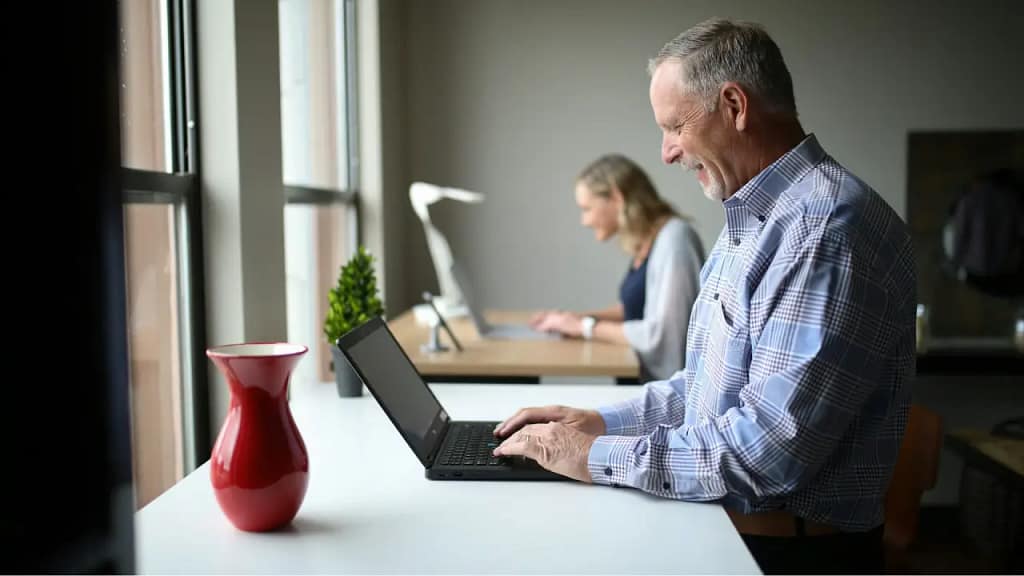
This is a question people ask frequently, but there is no simple number that can be used as a universal cut-off.
WHO’s guidelines recommend limiting sedentary behaviour but do not set a single maximum number of sitting hours for all adults.
Your occupation, health, age, mobility and overall activity pattern all matter.
Instead of becoming obsessed with a particular number of hours, look for opportunities to replace some sitting with movement.
That is a far more useful goal.
Break Up Long Periods of Sitting
One of the easiest changes is simply to stop sitting continuously for hours whenever you can.
For example:
- stand up and move around during a work break
- walk to speak to someone rather than always sending a message
- take a short walk when you finish a phone call
- get up during television breaks
- move around while waiting for the kettle to boil
- stand and stretch after finishing a task
You do not need a complicated routine.
The aim is simply to interrupt long periods of inactivity.
WHO notes that replacing sedentary time with physical activity of any intensity can provide health benefits.
If You Work at a Desk
Desk work is one of the easiest ways to accumulate several hours of sitting without noticing.
Try building movement into the working day.
You could:
Stand during some phone calls
When appropriate, walk around while speaking.
Take walking breaks
A few minutes away from the desk can break up a long sitting period.
Use the stairs
When appropriate and safe, choose stairs rather than a lift for some journeys.
Walk to speak to colleagues
A short face-to-face conversation provides an opportunity to move.
Set a reminder
A simple reminder can prompt you to change position and move.
Walk at lunchtime
Even a short walk can provide a useful break from the desk.
The goal is not to turn your office into a gym.
It is to make movement part of the working day.
What About Standing Desks?
Standing desks can be useful for some people, particularly when they make it easier to change position and reduce continuous sitting.
But standing still for hours is not a substitute for movement.
The goal is not to replace one static posture with another.
A better approach is to vary your position:
Sit.
Stand.
Walk.
Move.
You should also make sure any desk arrangement is comfortable and suited to the way you work.
Reduce Sitting During Travel
Travel can add another large block of sedentary time.
When practical, think about whether part of a journey could become active.
For example:
- walk to local destinations
- cycle where appropriate
- park further away when safe
- get off public transport a little earlier when practical
- walk during breaks on long journeys
Not everyone has the same transport options, so there is no need to turn this into a rule.
Simply look for realistic opportunities.
Move More at Home
Sedentary time does not end when you leave work.
Television, gaming, reading, browsing and phone use can all involve long periods of sitting.
Try adding small movement breaks.
Get up between programmes.
Walk while talking on the phone.
Do a few household jobs rather than remaining seated.
Take a short walk after a meal.
Put some music on and move around.
These may seem like tiny changes.
That is exactly why they are useful.
You are not trying to transform your entire life overnight.
Screen Time
Phones, tablets, computers and televisions have made sitting even easier.
You do not need to avoid screens altogether.
Instead, pay attention to how long you remain in one position.
Consider:
A movement break during long computer sessions
Standing while checking a short message
Walking during some phone calls
Getting up between television programmes
Taking a short outdoor break
The objective is not to create guilt around screens.
It is to reduce unnecessary stretches of inactivity.
Small Movements Count
People sometimes assume that activity only counts if it looks like formal exercise.
That is not the case.
WHO defines physical activity broadly to include movement during transport, work, household tasks, recreation and planned exercise.
Walking around the house, doing household tasks, gardening, active travel and playing with children can all contribute to a more active day.
These activities do not necessarily replace planned exercise, particularly if your goal is to improve fitness.
But they can help reduce how much of the day is spent completely sedentary.
Walking Is an Easy Way to Break Up Sitting
Walking is one of the simplest ways to change a sedentary day.
It requires little equipment and can often be fitted around existing routines.
Try:
- a short walk before work
- a lunchtime walk
- a walk after dinner
- walking part of a journey
- a short walk between periods of desk work
For more detail, see our guide:
Walking for Exercise: How to Get More From Your Walks
Walking can also form part of the aerobic activity in a broader exercise plan.
What If You Have Limited Mobility?
Not everyone can simply stand up and walk around.
People living with disabilities, chronic health conditions, pain or mobility limitations may need to adapt how they reduce sedentary time.
The principle is still useful:
Do what you can, within your abilities and circumstances.
Depending on your situation, movement might involve changing position, moving your arms or legs, using a wheelchair actively, doing suitable seated exercises or taking short supported periods of activity.
WHO’s guidance specifically recognises that people living with chronic conditions or disabilities can benefit from increasing physical activity and reducing sedentary behaviour.
If you are unsure what type of movement is appropriate, an appropriately qualified healthcare or rehabilitation professional can help.
A Simple Daily Movement Plan
You do not need to schedule movement every 20 minutes.
Instead, create a few reliable habits.
For example:
Morning: 10-minute walk
Work: stand or move during several short breaks
Lunch: 10–15 minute walk
Afternoon: walk around before returning to your desk
Evening: short walk after dinner
Television: stand and move during programme breaks
This is only an example.
The right pattern for you will depend on your work, health, mobility and routine.
How Sedentary Living Fits Into Your Personal Fitness Plan
A good personal fitness plan should not only describe your formal workouts.
It should also consider what the rest of your day looks like.
For example, your plan could include:
Planned exercise
Walking, strength training, cycling, swimming or other activities.
Everyday movement
Walking for transport, household tasks, gardening and active hobbies.
Sedentary breaks
Regular opportunities to change position and move during long periods of sitting.
Recovery
Appropriate rest after exercise.
This creates a more complete picture of an active lifestyle.
Your workout is important.
So is what you do between workouts.
What If You Have a Desk Job?
You do not need to resign from your desk job and become a park ranger. 😄
Instead, make a few practical changes.
Keep water somewhere that requires you to get up occasionally.
Use breaks to move rather than automatically reaching for your phone.
Walk when you can.
Use the stairs when appropriate.
Take the longer route to the kitchen or bathroom once in a while.
Stand during some calls.
A series of small decisions can change the overall pattern of your day.
What About Older Adults?
Reducing sedentary time remains relevant as people age.
Older adults can benefit from regular physical activity, and WHO also recommends activities that emphasise balance and coordination alongside muscle strengthening.
The best approach depends on health, mobility, confidence and previous activity.
For someone who spends much of the day sitting, small increases in safe movement can be a useful starting point.
Don’t Turn Sitting Into Another Source of Anxiety
There is no need to panic every time you sit down.
Rest is important.
Sitting is not inherently dangerous.
The issue is the overall pattern of spending large amounts of waking time sedentary.
The aim is to make your day a little more active, not to remain on your feet from morning until bedtime.
A sustainable approach is much more useful than becoming obsessed with movement.
A Practical Checklist
At the end of the day, ask yourself:
Did I spend most of the day sitting?
Did I take regular movement breaks?
Did I walk somewhere I could reasonably have walked?
Did I do some planned physical activity?
Could I make tomorrow slightly more active?
You do not need a perfect score.
The questions are simply there to help you notice your habits.
When Should You Get Professional Advice?
If movement causes significant pain, dizziness, unusual breathlessness or other concerning symptoms, stop and seek appropriate medical advice.
If you have a medical condition, injury, significant mobility limitation or are unsure how to increase your activity safely, speak with an appropriately qualified healthcare professional.
Your exercise and movement plan should be adapted to your circumstances when necessary.
The Bottom Line
A sedentary lifestyle is not simply a matter of whether you exercise.
It is also about how much of your waking day is spent sitting or otherwise inactive.
You do not need to eliminate sitting.
You need to avoid making prolonged sitting the default whenever practical.
Break up long periods of sitting.
Walk when you can.
Move during work breaks.
Use everyday activities as opportunities to be active.
Choose stairs when appropriate.
Make your home and working routines encourage movement.
And keep formal exercise as part of the bigger picture.
You don’t need to stand all day.
You don’t need a special gadget.
You don’t need to become obsessed with counting every movement.
Just sit a little less, move a little more and build an active lifestyle that works in the real world.
Recommended Further Reading:
- How to Create a Personal Fitness Plan You Can Stick To
- Why Is Exercise Motivation So Difficult? How to Stay Consistent
Medical Disclaimer
This article is for general educational purposes and is not a substitute for personalised medical advice, diagnosis or treatment. If you have a medical condition, injury, significant symptoms or concerns about increasing your activity, speak with an appropriately qualified healthcare professional.