
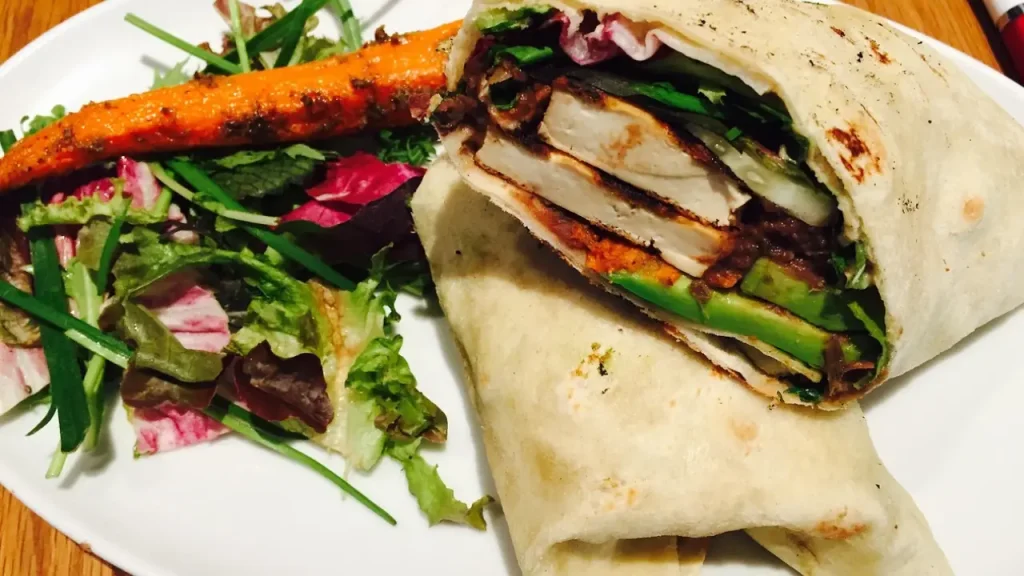
Feeling hungry all the time can make weight loss feel like hard work, it makes it a real pain to reduce your appetite, but you have to fight through it. Why, because you know it’s worth it!
The good news is that you do not need to spend your day fighting hunger or trying to survive on tiny meals. A better approach is to understand what makes a meal satisfying and then build your eating habits around it.
There is no single perfect way to lose weight. What matters is finding an eating pattern that helps you reduce your overall calorie intake while still being healthy, enjoyable and realistic enough to continue. The NHS recommends building meals around vegetables, protein and sensible portions, because these choices can help you feel fuller for longer.
Here are seven practical ways to make appetite easier to manage.
1. Build Meals Around Protein to Reduce Your Appetite
Protein can help you feel satisfied after eating, which makes it a useful part of a weight-loss diet.
Good choices include:
- fish
- eggs
- chicken
- lean meat
- beans
- lentils
- peas
- yoghurt
- suitable dairy alternatives
The NHS recommends including a source of protein in each meal because it can help you feel full for longer.
You do not need enormous portions. Simply making protein a regular part of your meals can make your eating pattern easier to manage.
For example, grilled chicken with vegetables and potatoes is likely to be more satisfying than a meal built largely around refined carbohydrates and highly processed foods.
2. Fill Your Plate With Fibre-Rich Foods
Fibre-rich foods can add volume and help make meals more satisfying.
Vegetables, fruit, beans, lentils, oats and wholegrain foods are all useful choices.
Vegetables are particularly valuable because many are relatively low in calories while providing plenty of volume, vitamins and fibre. The NHS suggests filling around half of a main-meal plate with vegetables and aiming for two or more portions.
Try adding more:
- broccoli
- cauliflower
- carrots
- peppers
- spinach
- cabbage
- green beans
- tomatoes
- berries
- apples
- pears
- oats
- beans and lentils
You don’t have to eat a giant bowl of salad at every meal.
Roasted vegetables, vegetable soups, stews, stir-fries and mixed dishes can all help increase the volume of food on your plate.
3. Don’t Let Yourself Get Ravenously Hungry
There is a difference between being pleasantly hungry before a meal and becoming so hungry that sensible choices become difficult.
When you allow hunger to build to the point where you feel desperate for food, you may find it much harder to judge portions or resist highly tempting foods.
Planning can help.
Decide what you are going to eat before you become extremely hungry.
Keep nutritious foods available.
Have sensible snacks available when you genuinely need them.
NIDDK recommends keeping healthy snacks on hand because they can help combat hunger and reduce the likelihood of overeating.
A snack does not mean you have failed.
It can simply be part of a sensible eating pattern.
4. Slow Down and Pay Attention While You Eat
Eating quickly and eating while distracted can make it harder to notice when you’ve had enough.
The NHS recommends focusing on your meal and avoiding distractions such as television because this can help you notice fullness and reduce the chance of eating too much.
Try:
- putting your phone away
- turning off the television
- eating at a table
- taking your time
- putting your cutlery down occasionally
- paying attention to how satisfied you feel
You don’t need to turn every meal into a mindfulness exercise.
The simple act of paying attention can be enough to make you more aware of how much you are eating.
5. Learn the Difference Between Hunger and Cravings
Sometimes you genuinely need food.
Sometimes you simply want food.
Those are not always the same thing.
Physical hunger may build gradually and can usually be satisfied by a range of foods.
A craving is often more specific:
“I really want chocolate.”
or:
“I need a takeaway.”
Cravings can also be triggered by boredom, habit, stress, emotion or simply seeing food.
NIDDK recommends paying attention to when and why you eat, because tracking these patterns can help you identify situations where you are eating even though you are not physically hungry.
When you feel like eating between meals, pause for a moment and ask:
Am I physically hungry, or am I looking for something else?
That question alone can interrupt an automatic eating habit.
6. Be Careful With Liquid Calories
Drinks can be surprisingly easy to overlook.
Sugary drinks, sweetened coffees, energy drinks, juices and alcohol can all add calories without providing the same sense of fullness as a solid meal.
Water is a simple default choice.
Tea and coffee can fit comfortably into a healthy eating pattern, depending on what you add to them.
You do not have to eliminate every drink you enjoy. The important thing is to understand that liquid calories can contribute to your overall intake.
If your goal is weight loss, paying attention to what you drink can be a surprisingly effective place to start.
7. Make Your Meals More Satisfying — Not Just Smaller

One of the biggest mistakes people make when trying to control appetite is concentrating entirely on eating less.
Instead, think about getting more satisfaction from the calories you do eat.
A useful meal structure is:
Vegetables + protein + sensible portion of carbohydrate + modest amount of healthy fat
For example:
Grilled salmon + broccoli and carrots + potatoes
or:
Chicken + mixed vegetables + brown rice
or:
Lentil and vegetable stew + wholegrain bread
The exact foods are less important than the overall pattern.
A sustainable weight-loss diet should contain foods you actually enjoy eating.
What About Snacks to Reduce Your Appetite?
Snacks are not automatically bad.
The important question is whether you are genuinely hungry and whether the snack fits into your overall eating pattern.
Useful choices can include:
- fruit
- plain yoghurt
- a small portion of nuts
- vegetables with a suitable dip
- a boiled egg
- other nutritious foods you enjoy
NIDDK recommends keeping nutritious snacks available rather than relying on highly processed foods when hunger strikes.
It can also help to portion snacks into a bowl or onto a plate instead of eating directly from a packet. The NHS recommends this approach because it makes it easier to see how much you are actually eating.
Appetite Is Not Just About Willpower
If you regularly struggle with hunger, do not automatically assume that you simply lack discipline.
Your appetite can be affected by many things, including your eating habits, sleep, stress, medications and your overall health.
NIDDK notes that some medicines can affect energy balance and appetite, and that sleep is also relevant to weight and health.
That means the answer is not always “try harder.”
Sometimes the better question is:
What is making this difficult?
That change in thinking can be very useful.
What About Skipping Meals?
There is no universal meal schedule that everyone has to follow.
Some people prefer three meals a day.
Others prefer fewer meals or a time-restricted eating pattern.
What matters is whether the approach helps you eat appropriately and meet your nutritional needs without repeatedly leaving you excessively hungry.
Do not use skipping meals as a competition to see how little you can eat.
The goal is a sustainable eating pattern, not maximum deprivation.
Seven Simple Rules to Remember
If you want to simplify everything in this article, remember these seven rules:
- Include protein with your meals.
- Eat plenty of vegetables and other fibre-rich foods.
- Don’t allow hunger to build into desperation.
- Slow down and pay attention while you eat.
- Learn to recognise hunger versus cravings.
- Pay attention to liquid calories.
- Build satisfying meals instead of simply making portions tiny.
That is a much healthier way to think about appetite control than trying to suppress hunger at all costs.
How This Fits Into Sustainable Weight Loss
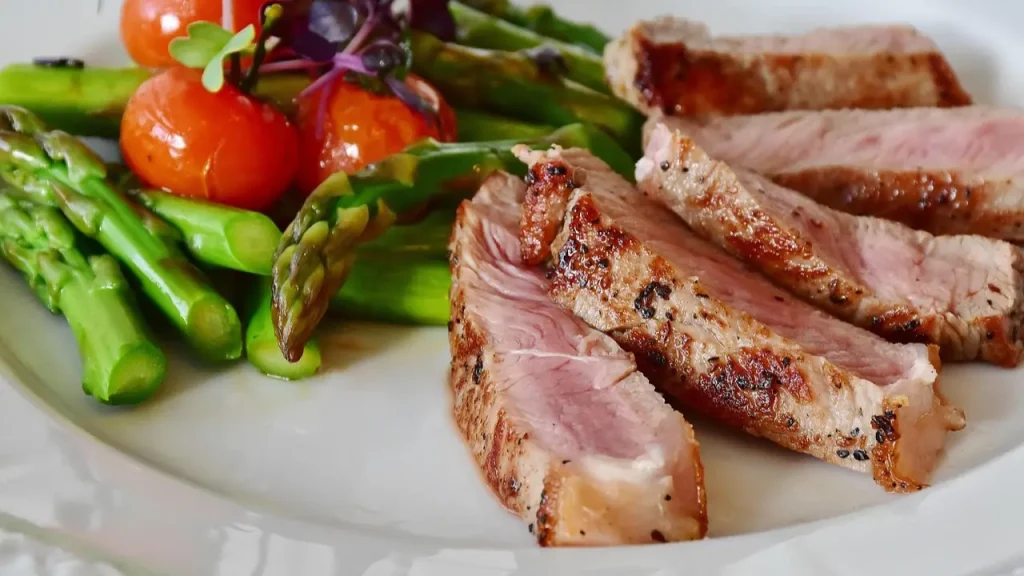
Appetite management should support your weight-loss plan rather than become another rigid set of rules.
You are not trying to become someone who never feels hungry.
You are trying to create an eating pattern in which normal hunger is manageable, meals are satisfying and your overall calorie intake supports your goals.
For the wider picture, see Why Sustainable Weight Loss Beats Short-Term Dieting.
For practical everyday changes, see 6 Weight Loss Tips That Actually Work.
And for learning how to lose weight without making yourself miserable, see Lose Weight Without Starving Yourself.
The Bottom Line
You do not need to fight your appetite all day to lose weight.
Instead, make your meals more satisfying.
Prioritise protein and fibre-rich foods.
Fill your plate with vegetables.
Slow down when you eat.
Pay attention to the difference between physical hunger and cravings.
Plan ahead so you are not constantly making decisions when you are ravenously hungry.
And remember that sustainable weight loss is about building habits you can live with, not proving how little food you can survive on.
Frequently Asked Questions
How can I reduce my appetite naturally?
A useful starting point is to build filling meals around protein, vegetables and fibre-rich whole foods, while paying attention to portions and eating without distractions.
What foods help control hunger?
Protein-rich foods, vegetables, fruit, beans, lentils and wholegrain foods can be useful components of satisfying meals.
Should I stop eating when I am hungry?
Not necessarily. Normal hunger is part of eating. The aim is to manage hunger sensibly rather than ignore it until you become extremely hungry or try to eliminate hunger completely.
Can drinking water reduce hunger?
Water is useful for hydration, and drinking fluids is important as part of a healthy lifestyle. But thirst and hunger are not interchangeable, so do not rely on water as a way to avoid eating when you genuinely need food.
Are cravings the same as hunger?
No. Hunger is a physical need for food, while cravings can be driven by habit, emotion, boredom or a desire for a specific food. Recognising the difference can help you make more deliberate choices.
Is snacking bad for weight loss?
Not necessarily. A planned, nutritious snack can be useful when you are genuinely hungry. The important factor is how the snack fits into your overall eating pattern.
Can lack of sleep affect appetite?
Sleep and weight are connected, and inadequate sleep may make healthy weight management more difficult. If you regularly struggle with sleep or appetite, it is worth discussing the issue with a healthcare professional.
What if I am constantly hungry while dieting?
Constant hunger may be a sign that your eating pattern is too restrictive or poorly structured. Review your meal composition, protein, fibre and portions rather than simply trying to use more willpower. If persistent hunger is accompanied by other symptoms or you are making major dietary changes, seek professional advice.
Further Articles
- Why Sustainable Weight Loss Beats Short-Term Dieting
- 6 Weight Loss Tips That Actually Work
- Lose Weight Without Starving Yourself
- How to Reward Yourself for Weight Loss Without Using Food
Medical Disclaimer
This article is for general educational purposes and is not a substitute for individual medical advice. If you have a medical condition, take medication that may affect appetite or weight, have a history of an eating disorder, or are considering a significant dietary change, speak with an appropriate healthcare professional.