

Losing weight is relatively simple. Keeping it off is the real challenge.
If you’ve ever started a new diet with enthusiasm, lost a few pounds and then gradually returned to your old habits, you’re certainly not alone.
The problem isn’t necessarily a lack of willpower. Often, the problem is the approach.
A diet that requires you to live on foods you dislike, constantly battle hunger or completely change your lifestyle may produce impressive results for a few weeks. But what happens when the diet ends?
That’s where sustainable weight loss is different.
Instead of looking for the fastest possible way to lose weight, the goal is to develop eating, activity and lifestyle habits that you can continue for months and years.
And that doesn’t mean giving up on making progress. Far from it.
It means finding a way of losing weight that actually fits into your life.
You might want to check out our article: 6 Practical Weight Loss Tips & Fitness For Older Adults
Why Short-Term Dieting Can Be So Tempting
Quick results are incredibly motivating.
Seeing the scales drop several pounds in a short period can make you feel that you’ve finally found the answer. The problem is that dramatic early changes aren’t necessarily the same thing as sustainable fat loss.
Very restrictive diets can also be difficult to maintain. When the rules become too demanding, people can eventually return to previous eating habits.
The better question isn’t:
“How quickly can I lose weight?”
It’s:
“Can I live this way after I’ve lost the weight?”
That simple change in thinking can completely alter your approach.
What Does Sustainable Weight Loss Actually Mean?
Sustainable weight loss means creating a realistic calorie deficit while eating a nutritious diet and maintaining habits that you can continue over the long term.
It doesn’t require perfection.
It requires consistency.
A successful weight-loss programme should include healthy eating, appropriate physical activity, realistic goals, support and a strategy for maintaining the weight you’ve lost.
For many people, even a relatively modest reduction in body weight can be worthwhile. NIDDK notes that an initial goal of around 5% to 10% of starting body weight over six months is commonly recommended.
That may sound less exciting than a promise to lose 20 pounds in a month.
But it’s considerably more realistic.
Stop Treating the Scales as Your Only Measure of Success
One of the biggest mistakes people make is judging their entire weight-loss journey by what happens when they step on the scales.
Your weight naturally fluctuates.
It can change because of water retention, food intake, digestion and other factors, even when you’ve been doing everything right.
Instead, look for other signs of progress.
You might notice:
- Your clothes fit better.
- Your waist measurement is decreasing.
- You’re becoming more active.
- You have more energy.
- Walking becomes easier.
- You’re making healthier food choices.
- Your fitness is improving.
- Healthy habits are becoming automatic.
The scales are useful.
They just aren’t the whole story.
3 Common Weight-Loss Mistakes to Avoid
1. Trying to lose weight as quickly as possible
Rapid results can be appealing, but an approach that is too restrictive may be difficult to maintain.
Instead, concentrate on making changes you can continue when you’ve reached your goal.
2. Using food as a reward
If every successful week ends with a huge takeaway or a day of unrestricted eating, you’re potentially sending yourself mixed messages.
Find other ways to reward yourself.
Buy something you’ve wanted.
Take a day trip.
Get some new exercise clothing.
Enjoy an experience.
Reward the behaviour that is helping you succeed rather than automatically rewarding yourself with food.
3. Giving up when progress slows
Weight loss isn’t perfectly linear.
You may lose weight quickly at first and then experience periods when the scales barely move.
That doesn’t necessarily mean your plan has stopped working.
Don’t confuse a temporary slowdown with failure.
Set Goals That Go Beyond “I Want to Lose Weight”

A goal such as:
“I want to lose 30 pounds”
is clear, but it doesn’t tell you what you need to do today.
Try adding behaviour-based goals.
For example:
- Walk for 20 minutes five days a week.
- Eat vegetables with lunch and dinner.
- Drink water instead of sugary drinks.
- Reduce portion sizes.
- Prepare more meals at home.
- Keep a record of your food and activity.
- Weigh yourself regularly without becoming obsessed with daily fluctuations.
These are actions you can control.
The number on the scales isn’t.
Make Healthy Choices Easier
One of the simplest ways to make sustainable weight loss easier is to change your environment.
If high-calorie snacks are always sitting on the kitchen counter, you’re making the healthy choice harder.
If fruit, vegetables, nutritious meals and healthier snacks are readily available, the better choice becomes easier.
You don’t need extraordinary willpower every minute of every day.
You need an environment that works with you rather than against you.
NIDDK similarly recommends practical strategies such as planning shopping, keeping healthier foods available and paying attention to portions.
Don’t Forget Physical Activity
Exercise isn’t simply about burning calories.
Regular physical activity can improve fitness and provide health benefits independently of weight loss. It can also help people maintain weight loss over time.
You don’t have to become a gym fanatic.
Walking, cycling, swimming, dancing, gardening and other activities can all contribute to a more active lifestyle.
The best activity is often the one you enjoy enough to keep doing.
Think in Months and Years, Not Days
This may be the most important change you can make.
Instead of asking:
“How much weight can I lose this week?”
ask:
“What could I change today that I would still be doing a year from now?”
That question moves you away from dieting and towards lifestyle change.
And that’s exactly where sustainable weight loss becomes much more achievable.
What Happens After You Reach Your Goal?
This is something many diets fail to address.
Imagine reaching your target weight.
What happens next?
If the answer is:
“I can finally stop dieting,”
you may be setting yourself up for the weight to return.
The habits that helped you lose the weight need to evolve into the habits that help you maintain it.
Maintaining weight loss can be difficult, which is why successful programmes include a specific plan for keeping the weight off rather than treating the end of weight loss as the end of the process.
The Sustainable Weight Loss Mindset
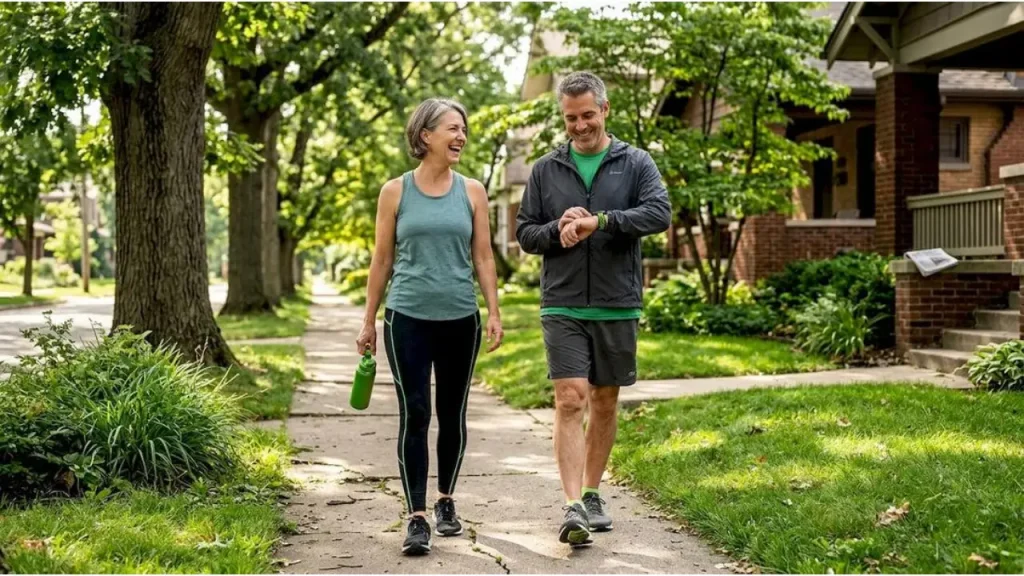
Sustainable weight loss isn’t about being perfect.
You will have days when you eat more than you planned.
You will miss a workout.
You may have holidays, birthdays, celebrations and weekends when your normal routine disappears.
That’s life.
The goal isn’t to avoid these situations.
The goal is to get back to your normal habits afterwards.
One meal doesn’t make you overweight.
One healthy meal doesn’t make you fit.
One missed workout doesn’t destroy your progress.
What matters is what you do most of the time.
The Bottom Line
If you’re trying to lose weight, don’t make your goal simply to reach a number on the scales.
Make your goal to build a healthier lifestyle that you can actually live with.
Eat nutritious food.
Control portions.
Move your body.
Set realistic goals.
Track your progress.
Expect setbacks.
And most importantly, don’t look for a temporary diet when what you really need is a permanent change in the way you live.
Sustainable weight loss may not be the fastest route to your goal — but it is far more likely to become a way of life.
Medical Disclaimer
This article is intended for general educational purposes and is not medical advice. People with medical conditions, people taking medications that are affected by food intake or blood glucose levels, and anyone considering a significant dietary change should discuss it with an appropriate healthcare professional.