
Dry skin is common, especially during colder weather, after frequent washing, or when the skin is exposed to irritating products.
It can feel tight, rough, itchy or flaky. In more severe cases, skin can crack, sting or bleed.
The good news is that the most useful treatment is usually much simpler than the beauty industry makes it sound.
You don’t need a cupboard full of oils, scrubs, and “natural” remedies.
Dermatologists generally recommend a few straightforward measures: use short, warm rather than hot showers, choose gentle fragrance-free cleansers, and apply a suitable moisturiser regularly, especially soon after washing. Creams and ointments are generally more effective for dry skin than lotions. American Academy of Dermatology NHS
The key is to understand why the skin is dry and protect its natural barrier, rather than repeatedly stripping it and trying to replace what’s been lost.
What Is Dry Skin?
Dry skin develops when the skin does not retain enough water.
The outer layer of skin acts as a protective barrier. When that barrier is disrupted, water can escape more easily, and the skin becomes dry and irritated.
Dry skin may look rough, flaky or scaly, dull, cracked, red or irritated. It may also feel tight or itchy.
Dry skin is not always a medical condition. Many people experience it temporarily because of weather, bathing habits, indoor heating or skincare products.
Persistent or severe dryness can also occur with conditions such as eczema or psoriasis, or alongside other medical problems.
Why Does Skin Become Dry?
Common triggers include:
- cold or dry weather
- indoor heating
- long or hot showers and baths
- frequent handwashing
- harsh soaps and detergents
- fragranced skincare products
- excessive exfoliation
- ageing skin
- some skin conditions
- certain medicines or medical conditions
Hot water, harsh products and over-washing can worsen dryness. AAD
This means changing your routine can sometimes make a larger difference than adding another product.
The Skin Barrier Matters
Your skin is not simply a waterproof covering.
The outer layers contain cells, lipids and natural moisturising factors that help keep water inside and irritants outside.
When that barrier is damaged, the skin becomes more vulnerable to dryness and irritation.
That is why the basic strategy is:
clean gently, moisturise regularly and avoid unnecessary irritation.
This is also why repeatedly scrubbing flaky skin can backfire.
Removing more of the outer barrier does not solve the underlying problem.
The Best First Step: Moisturise
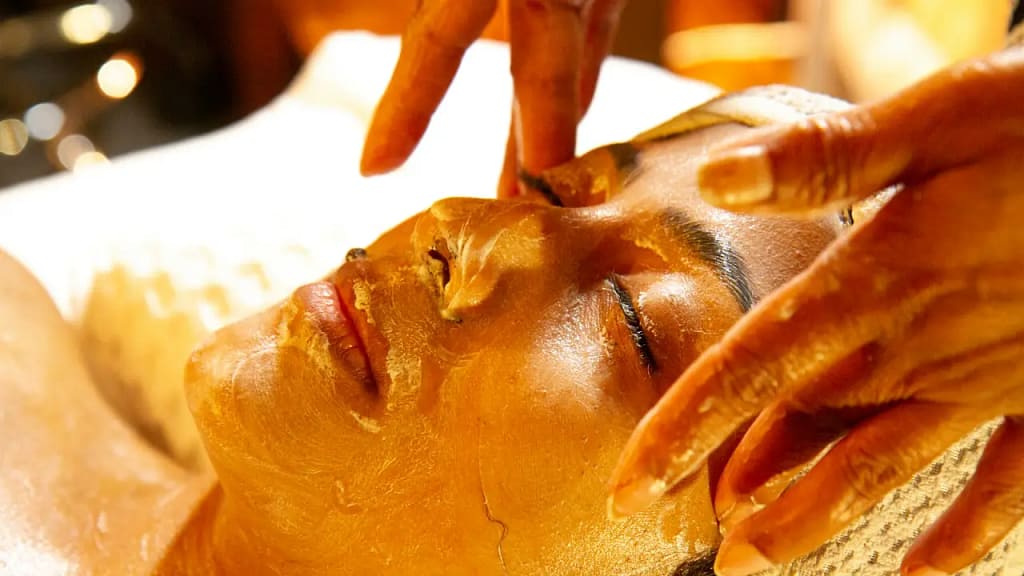
Moisturiser is usually the most useful treatment for ordinary dry skin.
The AAD recommends applying a cream or ointment when the skin feels dry and again after bathing while the skin is still slightly damp. AAD
Moisturisers work in several ways. Some ingredients attract water. Others help smooth the skin and fill spaces between cells. Some create a protective layer that reduces water loss.
You do not need to understand every ingredient on the label. The important thing is finding a product that works for your skin and that you will use consistently.
Cream, Lotion or Ointment?
For very dry skin, thicker products are often better.
The AAD recommends creams or ointments rather than lotions because they add more moisture and are generally more effective for severely dry skin.
The NHS explains that emollients include lotions, creams and ointments, with ointments often useful when the skin is particularly dry.
A lotion can feel lighter during the day. A cream may be a better general-purpose option. An ointment can help with very dry areas, particularly at night.
There is no prize for choosing the thickest product. Use the texture you can tolerate and apply consistently.
Ingredients That Can Help
The AAD lists ingredients that can be useful in products for dry skin, including:
- petrolatum
- mineral oil
- dimethicone
- glycerin
- hyaluronic acid
- shea butter
- lactic acid
- lanolin
- jojoba oil
Some ingredients mainly reduce water loss, while others help attract or retain water.
You do not need to find every ingredient in one product.
A simple, fragrance-free moisturiser that your skin tolerates is usually a better starting point than an expensive product with a long marketing story.
Why Fragrance-Free Matters
A product can smell wonderful and still be a poor choice for very dry or sensitive skin.
The AAD recommends gentle, fragrance-free skincare for dry skin and points out that products described as “unscented” can still contain ingredients used to mask or neutralise odours.
This is particularly important when the skin is already irritated.
The simpler the routine, the easier it is to work out what your skin tolerates.
When Should You Apply Moisturiser?
Apply your moisturiser soon after bathing or washing while the skin is still slightly damp.
This helps trap some of the water already on the skin’s surface.
The NHS recommends applying emollients after washing, bathing or showering, and the AAD recommends moisturising when the skin is still damp.
You can also reapply whenever your skin feels dry or tight.
Consistency matters more than finding a “perfect” product.
Are Hot Showers Making Dry Skin Worse?
They can.
Hot water can strip oils from the skin and increase dryness.
The AAD recommends keeping baths and showers short, around five to ten minutes, and using warm rather than hot water.
That does not mean you have to give up a comfortable shower. It means avoiding long, very hot showers when your skin is already dry.
Do You Need Soap Everywhere?
Not necessarily.
Everyday soaps, shower gels and similar products can dry the skin, particularly when used heavily or on already sensitive areas.
The NHS explains that ordinary soaps, shampoos and shower gels can dry the skin and worsen conditions such as eczema. Soap substitutes and emollients may suit people with dry or itchy skin better. NHS
Use a gentle cleanser where needed rather than trying to make your whole body foam as much as possible.
More bubbles do not mean cleaner skin.
Pat, Don’t Scrub
After bathing, gently pat the skin dry.
Do not vigorously rub already dry or irritated skin with a towel.
The AAD recommends gentle patting because friction can irritate very dry skin.
Then apply moisturiser.
It is a remarkably simple routine.
Should You Exfoliate Dry Skin?
Usually, you don’t need aggressive exfoliation.
Scrubs and strong exfoliating products can remove surface skin but also increase irritation when the skin barrier is already compromised.
The AAD advises against exfoliating dry, peeling skin because this can strip away more moisture.
When the skin is flaky and uncomfortable, moisturising is usually more sensible than scrubbing.
What About a Humidifier?
Dry indoor air can contribute to dry skin.
A humidifier may help some people, particularly in heated rooms during winter.
The AAD recommends considering a humidifier as part of a dry-skin strategy.
Keep the device clean and follow the manufacturer’s instructions.
A humidifier is a supporting measure, not a replacement for moisturiser.
Can Coconut Oil Help Dry Skin?
Coconut oil can act as an occlusive moisturising ingredient and may reduce water loss from the skin.
That makes it a plausible moisturising option for some people.
But that doesn’t mean coconut oil is a universal skin treatment.
Coconut oil can also be unsuitable for some people, particularly on acne-prone facial skin.
So the sensible conclusion is:
Coconut oil can moisturise dry skin, but it is not a cure-all.
A plain fragrance-free cream or ointment may be a better choice for very dry or sensitive skin.

What About Hemp Seed Oil?
Hemp seed oil contains fatty acids and can function as an emollient.
It may feel comfortable on dry skin and can be included in cosmetic products.
But claims that hemp oil is an exceptional or medically proven remedy for a wide range of skin conditions are not justified by the evidence available.
Use it because you like the product and your skin tolerates it, not because it has been marketed as a miracle.
And remember that hemp seed oil is not the same thing as cannabinoid products.
What About Olive Oil?
Olive oil may seem like an obvious natural moisturiser because it is readily available.
For some people, it can make skin feel softer.
But “natural” does not automatically mean “best”.
Experimental research shows olive oil can affect the skin barrier in ways that may not help everyone, especially with prolonged use on sensitive skin.
If you have very dry or eczema-prone skin, a formulated fragrance-free emollient is a more evidence-based first choice than relying on kitchen oils.
What About Honey, Yoghurt and Other Kitchen Remedies?
Older beauty articles often recommend foods such as honey, yoghurt or milk as homemade facial treatments.
There is little reason to turn your kitchen into a skincare laboratory.
These ingredients can irritate some people’s skin, and they are not substitutes for a well-formulated moisturiser.
If a home remedy stings, burns or makes your skin red, stop using it.
Just because something is edible doesn’t mean it’s suitable for prolonged use on irritated skin.
Does Drinking More Water Cure Dry Skin?
Drinking enough fluid is important for normal health.
But there is no good reason to assume that drinking excessive amounts of water will cure ordinary dry skin.
Dry skin often involves a compromised skin barrier and water loss from the surface.
The practical approach is to maintain normal hydration and improve the skin’s ability to retain moisture through appropriate skincare.
You do not need to “flush out toxins” with enormous amounts of water.
Can Diet Cause Dry Skin?
Nutrition matters to skin health, but ordinary dry skin is rarely solved by adding one special food.
A balanced diet that provides adequate protein, essential fats, vitamins and minerals supports normal skin function.
Severe nutritional deficiency or highly restrictive diets can affect the skin, but that is very different from saying that a particular fruit, oil or “superfood” will cure dry skin.
Eat well for overall health.
Treat dry skin directly.
Dry Skin Versus Eczema
Dry skin can occur without an underlying skin disease.
Eczema is a medical condition involving inflammation and a disrupted skin barrier, and it can cause dryness, itching, redness, and recurrent flare-ups.
People with eczema may need more than an ordinary moisturiser.
The AAD recommends regular use of fragrance-free moisturisers, while the NHS notes that emollients form a major part of eczema care. AAD NHS
If you have persistent inflammation, severe itching, recurrent rashes or broken skin, get appropriate medical advice rather than treating it indefinitely as simple dryness.
When Should You See a Doctor or Dermatologist?

Dry skin usually improves with sensible skincare.
But persistent or severe symptoms deserve assessment.
See a healthcare professional if your skin:
- becomes very painful
- cracks or bleeds repeatedly
- develops a persistent rash
- is intensely itchy
- develops signs of infection
- does not improve despite regular moisturising
- is associated with other unexplained symptoms
The AAD recommends seeing a dermatologist when severe dryness continues despite appropriate self-care.
An underlying condition may need treatment rather than simply more moisturiser.
A Simple Dry-Skin Routine
You do not need ten products.
A simple routine might look like this:
1. Keep showers short and use warm water.
2. Use a gentle, fragrance-free cleanser where needed.
3. Pat your skin dry rather than rubbing it.
4. Apply a cream or ointment while your skin is still slightly damp.
5. Reapply moisturiser during the day when your skin feels dry.
6. Avoid aggressive scrubbing and unnecessary fragrance.
7. Consider a humidifier if your indoor air is very dry.
Those basics are much more likely to help than constantly switching between fashionable natural remedies.
Five Common Dry-Skin Mistakes
Using very hot water.
Scrubbing flaky skin because it “needs exfoliating”.
Choosing heavily fragranced products when the skin is already irritated.
Using kitchen oils as if they were medical treatments.
Continuing to self-treat severe or persistent symptoms without checking whether a skin condition is involved.
The Bigger Picture
Dry skin does not need to become a beauty-industry adventure.
The most reliable approach is surprisingly ordinary.
Protect the skin barrier.
Use gentle products.
Moisturise regularly.
Avoid excessive heat and friction.
And give your routine enough time to work.
Coconut oil, hemp seed oil and other plant oils can have a place in skincare, particularly as moisturising ingredients, but they should not be presented as cures for a long list of unrelated conditions.
Likewise, food-based remedies and “detox” routines may sound natural and appealing, but they are not substitutes for sensible skin care.
The goal is not to find the most exotic remedy.
It is to keep skin comfortable, keep the barrier functioning well, and recognise when something beyond ordinary dryness is going on.
For more nutrition-related skin information, see Foods for Healthy Skin: What Your Diet Can Really Do.
For general nutrition guidance, see Balanced Diet: The Evidence-Based Guide to Healthy Eating.
Recommended Further Reading:
- Organic Food: Is It Healthier? What the Evidence Says
- Balanced Diet: The Evidence-Based Guide to Healthy Eating
- Nutrition Terms Explained: RDA, DRI, EAR, AI and UL
Medical Disclaimer
This information is provided for general educational purposes only. It is not intended to diagnose, treat or prevent any medical condition and should not be considered a substitute for advice from a qualified healthcare professional.
Persistent, painful, inflamed, severely itchy, cracked or bleeding skin may have an underlying medical cause and may require professional assessment.
Do not rely on household oils, supplements or other home remedies as substitutes for treatment of eczema, psoriasis, infection or another diagnosed skin condition.
Speak with a doctor, pharmacist or dermatologist if symptoms are severe, persistent or worsening.
Do not use this article as a substitute for individual medical assessment or professional guidance.