
Acne is one of the most common skin conditions, and it can affect teenagers and adults alike.
It is also one of the easiest conditions to find bad advice about.
Search online, and you will find claims about special diets, harsh cleansers, essential oils, natural remedies and miracle products. Some may sound sensible, but acne is a medical skin condition with several well-studied treatments.
The most useful approach is to assess how severe the acne is, choose an appropriate treatment, and give it enough time to work.
Current dermatology guidance strongly supports treatments such as benzoyl peroxide and topical retinoids, while azelaic acid and salicylic acid are also useful options in appropriate circumstances. Oral antibiotics, hormonal treatments and isotretinoin may be considered for more significant or persistent acne under professional supervision. American Academy of Dermatology NHS
This guide explains what acne is, what you can realistically do at home, which treatments have the best evidence, and when it is time to get medical help.
What Is Acne?
Acne develops when hair follicles become blocked with oil and dead skin cells.
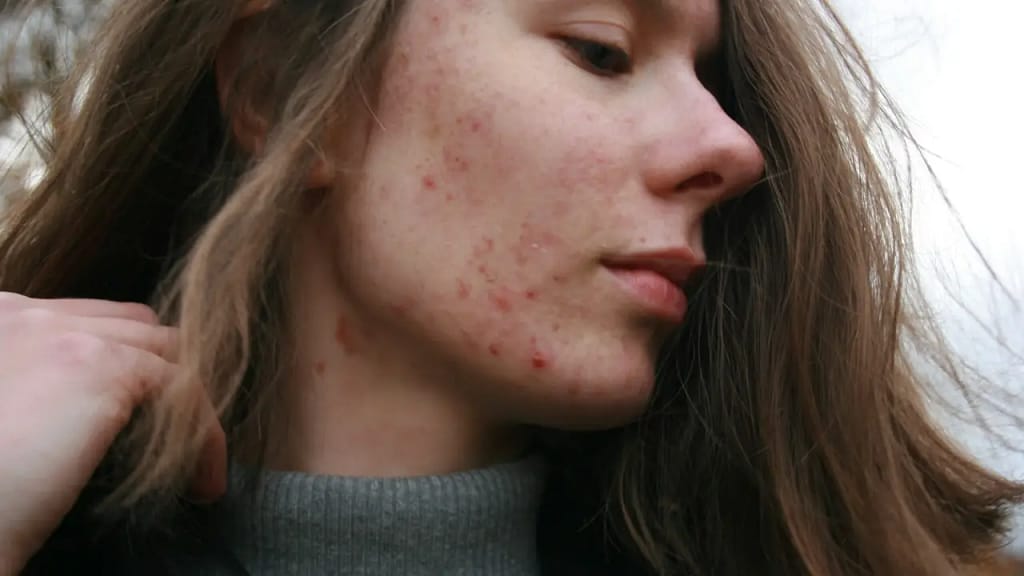
Inflammation can then produce spots such as blackheads, whiteheads, papules and pustules. Deeper inflammation can produce painful nodules and cysts.
Acne most often affects the face, but it can also occur on the chest, back and shoulders.
It is not caused simply by being dirty.
Washing your skin more aggressively does not remove the underlying causes and may worsen irritation.
Why Do People Get Acne?
There is no single cause.
Several processes can contribute, including:
- increased oil production
- a build-up of dead skin cells within follicles
- changes in the skin microbiome
- inflammation
- hormonal influences
- genetic susceptibility
That is why acne treatment usually targets more than one part of the process.
It is also why one product may work well for one person but poorly for another.
Is Acne Only a Teenage Problem?
No.
Acne often begins around puberty because hormonal changes can increase oil production.
However, acne can continue into adulthood or begin for the first time as an adult.
Adult acne is particularly common in women, and hormonal factors can play a role.
Persistent adult acne isn’t something you have to simply put up with.
Effective treatments exist, but the right option depends on the pattern and severity of the acne.
Does Poor Hygiene Cause Acne?
No.
Acne is not simply the result of dirty skin.
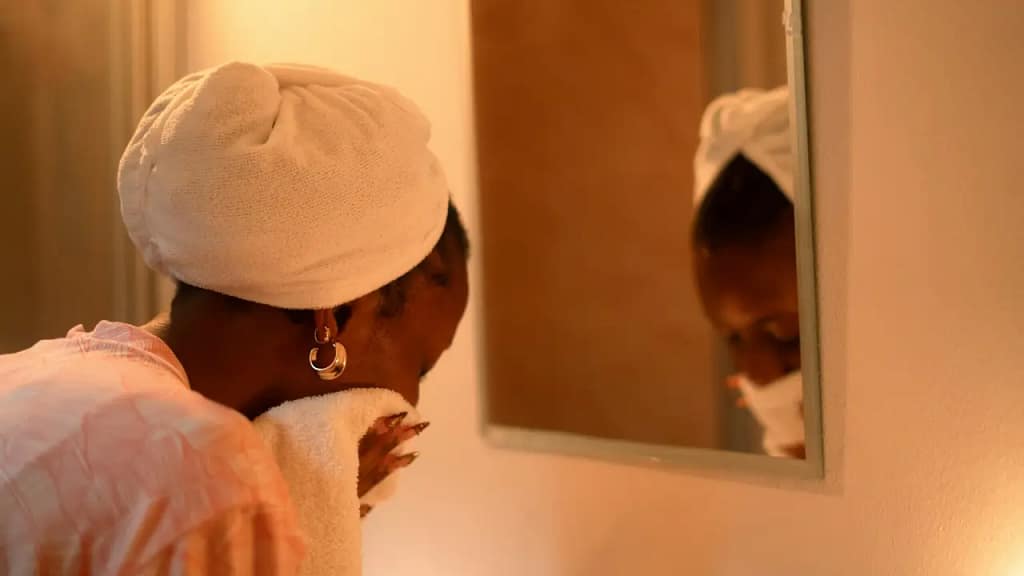
Washing removes excess oil, cosmetics, and surface debris, but excessive washing or scrubbing can irritate the skin and make the problem harder to manage.
The NHS recommends gentle skin care rather than scrubbing acne away. NHS
So the goal is not to make your skin feel “squeaky clean”.
The goal is to keep your skin clean without damaging its barrier.
What Is a Good Basic Skincare Routine for Acne?
Keep it simple.
A sensible routine usually involves:
Gentle cleansing. Wash gently rather than scrubbing.
Appropriate acne treatment. Use a proven active ingredient suited to your acne type.
Moisturiser. Acne treatments can dry or irritate the skin, so a non-comedogenic moisturiser can make treatment easier to tolerate.
Sun protection. Some acne medicines can increase sensitivity to sunlight, and protecting the skin is part of good skincare.
Adding more products isn’t necessarily better.
In fact, constantly changing your routine can make it difficult to tell what is helping and what is irritating your skin.
Benzoyl Peroxide: Does It Work?
Yes.
Benzoyl peroxide is one of the best-established treatments for mild to moderate acne.
It acts as an antiseptic, reducing acne-associated bacteria on the skin, and it also has anti-inflammatory effects. It can help with spots and blocked pores. AAD
Benzoyl peroxide is available in gels, creams and washes.
It can cause dryness, redness, burning, itching or peeling, particularly when treatment begins.
The NHS advises starting cautiously and using the lowest appropriate strength when possible.
It can also bleach hair and fabrics.
You should not expect it to work overnight. NHS guidance says it usually starts working within around four weeks, with fuller improvement taking longer.
What About Adapalene and Other Retinoids?
Topical retinoids are another major acne treatment.
Adapalene, tretinoin, tazarotene and trifarotene help prevent follicles from becoming blocked and can reduce inflammation.
They are especially useful for blackheads, whiteheads and inflammatory acne.
Topical retinoids can cause dryness and irritation when treatment starts.
A useful strategy is to follow the prescribed or labelled schedule rather than applying more in the hope of faster results.
NICE guidance recommends starting some topical treatments on alternate days or using short-contact application when irritation is a concern, then increasing treatment as tolerated. NICE
Topical retinoids are contraindicated during pregnancy and when planning pregnancy, so anyone who is pregnant or could become pregnant should obtain appropriate medical advice before using them.
What Is Azelaic Acid?
Azelaic acid is another useful acne treatment.
It can help reduce blocked pores, inflammation and acne-associated bacteria.
It may also be useful when acne leaves dark marks behind. The AAD gives azelaic acid a conditional recommendation for acne treatment, while the NHS lists it as an established option.
It is often useful for people who find benzoyl peroxide or topical retinoids too irritating.
Does Salicylic Acid Help Acne?
It can.
Salicylic acid helps loosen dead skin cells and reduce clogged pores.
The AAD conditionally recommends topical salicylic acid for acne.
It is commonly found in cleansers and other over-the-counter products.
Like other active ingredients, it can irritate the skin if overused.
Using one active treatment consistently is generally more sensible than combining many exfoliating products.
What About Antibiotics?
Antibiotics can have a role in treating moderate or severe inflammatory acne.
Topical antibiotics may be used for a limited period, while oral antibiotics such as doxycycline can be prescribed for more significant acne.
But antibiotics should not be the long-term default.
The AAD recommends limiting oral antibiotic use where possible, and says topical and oral antibiotics should be used alongside benzoyl peroxide to reduce the development of antibiotic resistance.
The NHS similarly notes that topical antibiotics are normally prescribed for a limited course because of resistance concerns.
This is one reason acne treatment should be reviewed rather than continuing antibiotics indefinitely.
Can Hormones Affect Acne?
Yes.
Hormonal changes can influence oil production and acne.
This helps explain why acne can flare around puberty, menstruation, pregnancy-related changes or other hormonal transitions.
For some women with acne, hormonal therapies can be an appropriate treatment.
The AAD conditionally recommends combined oral contraceptives and spironolactone for appropriate patients.
These treatments are not suitable for everyone and need individual medical assessment.
What About Isotretinoin?
Isotretinoin is a powerful oral retinoid used for severe acne or acne that has not responded adequately to standard treatment.
It can be highly effective, but it requires medical supervision because it has significant potential risks and pregnancy-related safety requirements.
The AAD recommends isotretinoin for patients with severe acne or those who have not responded to standard oral or topical treatment. AAD
This is not a treatment to buy casually online or take without appropriate monitoring.
How Long Does Acne Treatment Take to Work?
Patience matters.
The NHS says many acne treatments take two to three months to start working.
That can be frustrating.
It is easy to decide that a treatment has failed after a week or two and switch to something else.
Doing that repeatedly can leave your skin irritated and make it impossible to judge whether any one treatment helped.
Unless a medicine is causing a significant problem, follow the recommended schedule and allow enough time for a fair assessment.
Should You Squeeze Spots?
It is usually better not to.
Squeezing or picking can increase inflammation and can damage the skin.
It can also increase the risk of temporary or persistent marks and scarring.
The urge to squeeze a large spot is understandable.
The better strategy is to treat the acne and leave the skin alone as much as possible.
What About Toothpaste on Pimples?
Don’t.
Toothpaste is designed for teeth, not facial skin.
It can contain ingredients that irritate the skin and cause redness or burns without providing a proper acne treatment.
There are much better-studied ingredients available.
This is one of those internet remedies that is easier to retire than reinvent.
What About Lemon Juice?
Lemon juice is another popular “natural” acne remedy to avoid.
Applying citrus juice directly to skin can irritate it, and citrus exposure followed by sunlight can cause a phototoxic reaction known as phytophotodermatitis.
You don’t need lemon juice for acne when established treatments are available.
Natural does not automatically mean gentle.
What About Essential Oils?
Some essential oils have laboratory antimicrobial activity, but that does not mean they are established acne treatments.
Concentrated essential oils can also irritate or sensitise the skin.
The AAD’s current acne guideline found insufficient evidence to recommend alternative therapies such as plant-based products as standard acne treatment.
An ingredient being natural or fashionable is not the same as having good clinical evidence.
Does Diet Cause Acne?
This question is more complicated than many websites suggest.
Researchers have investigated certain dietary patterns in relation to acne, but the AAD’s 2024 guideline said there wasn’t enough evidence to recommend dietary changes.
That means we should be cautious about claims such as:
“Chocolate causes acne.”
“Dairy always causes spots.”
“Cut out sugar, and your acne will disappear.”
Dietary factors may be worth discussing in individual cases, but diet should not be presented as a universal acne cure.
Eating a balanced diet is still sensible for overall health.
Does Stress Cause Acne?
Stress can be associated with acne flare-ups in some people.
But that does not mean acne is simply a psychological problem.
Acne has biological causes involving follicles, oil, inflammation and hormones.
Reducing stress is worthwhile for general wellbeing, but telling somebody with significant acne simply to “relax” is not adequate treatment.
Does Exercise Make Acne Worse?
Exercise itself is not a proven acne treatment.
The NHS recommends regular exercise for general health and notes that sweat can irritate acne, so showering after exercise can be useful.
Try to avoid letting sweaty clothing remain against the skin for long periods.
Clean equipment that touches your face, avoid rubbing your skin repeatedly, and cleanse gently afterwards.
Can Moisturiser Make Acne Worse?
Not necessarily.
Some people avoid moisturiser because they assume any added product must clog pores.
In reality, acne treatments can dry and irritate the skin, and a suitable non-comedogenic moisturiser can improve comfort and help people continue treatment.
The answer is to choose a product suited to acne-prone skin rather than skipping moisturiser altogether.
What About Sunscreen?
Sun protection is still important when you have acne.
Some acne medicines increase sensitivity to sunlight, and inflammation can contribute to persistent dark marks.
Choose a sunscreen that feels comfortable on your skin and, when appropriate, is labelled non-comedogenic.
Avoid tanning acne deliberately.
A suntan can temporarily make redness look less noticeable while causing other skin damage.
Acne Scarring: Why Early Treatment Matters
Acne can leave scars, particularly when inflammation is severe or lasts for a long time.
NICE notes that the risk of scarring increases with acne severity and duration.
That is one reason it is worth treating significant acne rather than waiting for it to disappear on its own.
Once scars have formed, treatment becomes a separate cosmetic and dermatological issue.
Treating active acne early may reduce the chance of long-term scarring.
What About Dark Marks After Acne?

Not every mark is a scar.
Some people develop post-inflammatory hyperpigmentation, where an area of skin remains darker after the spot has healed.
This can gradually fade, although the process may take time.
Treating the acne itself, avoiding picking, and protecting the skin from excessive sun exposure can help reduce ongoing problems.
Azelaic acid may help with acne and the dark marks associated with it, depending on the individual situation.
When Should You See a GP or Dermatologist?
See a GP if your acne is moderate or severe, if pharmacy treatment has not worked, or if the condition is making you feel very unhappy.
You should seek advice particularly promptly if you have:
- painful nodules or cysts
- acne across the chest or back
- significant scarring or a risk of scarring
- acne that is affecting your confidence or mental wellbeing
- persistent acne that is not responding to appropriate treatment
Severe acne can benefit from specialist treatment, and early management can matter when scarring is a concern.
What Does “Natural Acne Treatment” Really Mean?
There is nothing wrong with wanting a simple skincare routine.
But “natural” is not a useful measure of whether a treatment works.
Benzoyl peroxide is not a natural ingredient.
Neither are prescription retinoids.
That does not make them bad.
Researchers have studied them precisely because they can produce meaningful effects in people with acne.
By contrast, some natural remedies have little or no good clinical evidence behind them.
The sensible question is not:
“Is it natural?”
It is:
“Does it work, is it safe, and is it appropriate for my type of acne?”
A Simple Approach to Mild Acne
For mild acne, start with a straightforward routine rather than a shelf full of products.
A pharmacist can advise about over-the-counter options such as benzoyl peroxide.
Use the treatment consistently and give it time to work.
Avoid picking.
Moisturise if your treatment dries out your skin.
And don’t keep adding new acids, scrubs, or home remedies every few days.
If your acne doesn’t improve after a reasonable trial, seek professional advice.
The Bigger Picture
Acne can affect far more than the skin.
It can make people self-conscious, frustrated and reluctant to be photographed or go out socially.
That does not mean the answer is to chase every miracle treatment on the internet.
It means getting the condition treated properly.
Modern acne care is not built around one perfect product.
It uses different treatments for different types and severities of acne.
Benzoyl peroxide, topical retinoids, azelaic acid and salicylic acid all have established roles. More significant acne may require oral antibiotics, hormonal treatment or isotretinoin, depending on the person and the diagnosis.
The most important change from the old “natural treatment” approach is this:
Stop trying to outsmart acne with kitchen remedies.
Treat it according to what it actually is.
Be gentle with your skin.
Give proven treatments enough time.
And get medical advice when the acne is significant, persistent, painful or leaving scars.
That is a much better strategy than hoping the next miracle cream will finally be the answer.
For advice on protecting dry or irritated skin while using skincare treatments, see Dry Skin: Causes, Simple Treatments and What Actually Helps.
For hair and skin nutrition, see Foods for Healthy Skin: What Your Diet Can Really Do.
Medical Disclaimer
This information is provided for general educational purposes only. It is not intended to diagnose, treat or prevent any medical condition and should not be considered a substitute for advice from a qualified healthcare professional.
Acne treatment depends on the severity and type of acne. Prescription medicines can have significant side effects or safety considerations. Topical retinoids and oral tetracyclines are contraindicated during pregnancy and when planning pregnancy.
People with severe acne, painful nodules, scarring, persistent acne or significant emotional distress should seek appropriate medical advice.
Do not use household products, essential oils or other home remedies as substitutes for established acne treatment.
Do not use this article as a substitute for individual medical assessment or professional guidance.
Sources
- American Academy of Dermatology — Updated guidelines for the management of acne: https://www.aad.org/news/updated-guidelines-acne-management
- NHS — Acne: https://www.nhs.uk/conditions/acne/
- NHS — Acne treatment: https://www.nhs.uk/conditions/acne/treatment/
- NHS — Benzoyl peroxide: https://www.nhs.uk/medicines/benzoyl-peroxide/
- NICE — Acne vulgaris: management: https://www.nice.org.uk/guidance/ng198