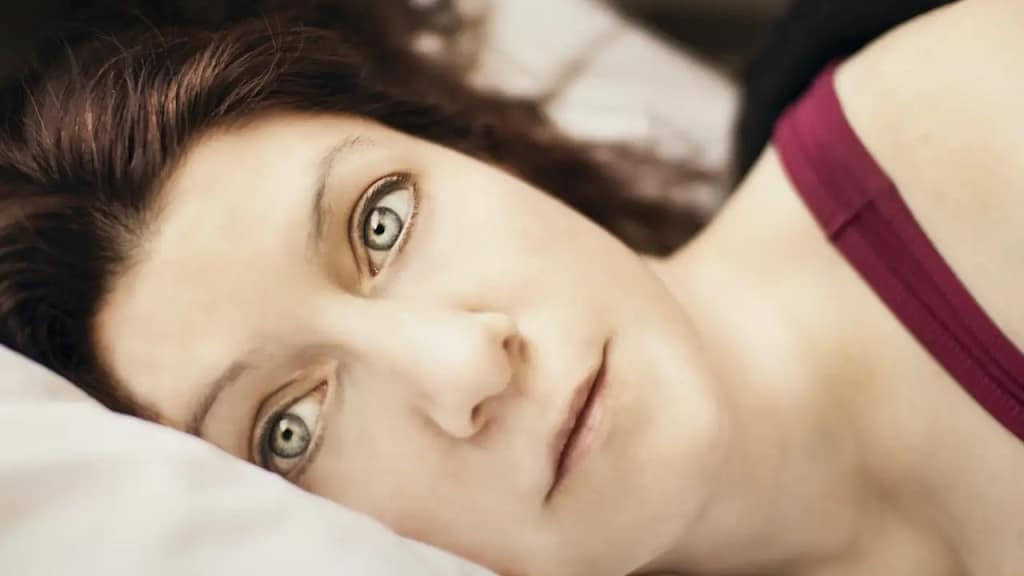
A few bad nights are something most people experience from time to time. But when difficulty sleeping becomes regular, it can affect concentration, mood, energy and everyday life.
Insomnia is not simply about getting fewer hours of sleep. It can mean taking a long time to fall asleep, waking repeatedly during the night, waking too early, or lying awake and still feeling tired the next day.
The good news is that insomnia can often improve with the right approach. The important thing is to move beyond the idea of a quick “cure” and look at what is actually keeping you awake.
Important: This article provides general health information and is not a diagnosis or a substitute for professional medical advice.
What is insomnia?
Insomnia means regularly having problems with sleep.
You may:
- find it difficult to fall asleep
- wake several times during the night
- lie awake for long periods
- wake early and be unable to get back to sleep
- feel tired, irritable or unable to concentrate during the day
The NHS describes insomnia lasting less than 3 months as short-term insomnia and insomnia lasting 3 months or longer as long-term insomnia.
Not everyone needs exactly the same amount of sleep. For most adults, around 7 to 9 hours a night is a useful general guide, but individual needs vary.
What causes insomnia?
There is rarely one single cause.
Common triggers and contributors can include:
- stress, anxiety or worrying
- changes to your normal routine
- an uncomfortable bedroom
- caffeine, nicotine or alcohol
- late meals
- some medicines
- physical health problems
- mental health problems
- other sleep disorders
Pain, breathing problems and other medical conditions can also interfere with sleep. If another condition is causing your sleep problems, treating the underlying problem may be an important part of improving sleep.
What can you do to improve your sleep?

For many people, changing sleep habits is a sensible place to start.
Keep regular sleeping hours
Try to go to bed and get up at roughly the same time each day, including after a poor night’s sleep.
A regular routine can help your body become accustomed to a consistent sleep pattern.
Create a wind-down period
Give yourself time to relax before bed. Reading, taking a bath, listening to calming music or doing another quiet activity may help you transition towards sleep.
The aim is to make the period before bed feel predictable rather than filling it with work, arguments, stimulating entertainment or anxious problem-solving.
Make your bedroom sleep-friendly
A bedroom that is dark, quiet and comfortable may make sleep easier.
You can experiment with curtains or blinds, an eye mask, earplugs, and room temperature to find what suits you.
Watch caffeine and alcohol
Caffeine can make you more alert, so avoiding it later in the day may help.
Alcohol can make some people feel sleepy initially, but it can also disrupt sleep. Nicotine can also affect sleep.
Be active during the day
Regular physical activity can support better sleep. Some people find that vigorous exercise close to bedtime makes it harder to settle, so exercising earlier in the day may work better.
Avoid large meals late at night
Eating a large meal close to bedtime can make it more difficult to fall asleep comfortably.
Don’t try to force sleep
If you are lying awake and becoming increasingly frustrated, staying in bed and trying harder to sleep can become part of the problem.
The NHS suggests getting up if you cannot sleep, doing something relaxing, and returning to bed when you feel sleepy.
What about phones and screens?

Phones, tablets and computers can become part of a bedtime routine that keeps the brain engaged.
Putting devices away before bed and reducing interruptions from notifications may help create a clearer separation between daytime activity and sleep. The NHS recommends avoiding phones, tablets and computers just before going to bed.
The important point is not to become obsessed with perfect sleep habits. A simple, repeatable routine is more useful than a long list of rules you cannot maintain.
Is there a natural cure for insomnia?
There is no single natural cure that works for everyone.
Herbal products such as valerian and lavender are sold as sleep aids, but “natural” does not automatically mean effective, suitable or risk-free. The NHS notes that some pharmacy sleep aids contain natural ingredients such as valerian or lavender, while others contain antihistamines; these products may help with sleep for a short time but do not cure insomnia.
Herbal products can also interact with medicines. The NHS Specialist Pharmacy Service notes that complementary products can cause clinically important interactions and that products such as kava and valerian can affect anaesthesia. It also highlights kava among herbal products associated with drug-induced liver injury.
What about kava?
The old version of this article recommended kava as an insomnia remedy. We have deliberately removed that advice.
Kava is not something we should present as a simple natural sleep solution. Concerns about liver toxicity and interactions make casual self-treatment inappropriate.
What about melatonin?
Melatonin is a hormone involved in the body’s sleep-wake cycle. In the UK, melatonin is prescription-only and is mainly used for short-term sleep problems in people aged 55 and over, although specialists may use it in other circumstances.
Melatonin is therefore not simply a general-purpose natural supplement that everyone with insomnia should start taking.
If you are considering melatonin or another sleep product, speak to a doctor or pharmacist about whether it is appropriate for you, particularly if you take other medicines.
What is CBT-I?
For persistent insomnia, one of the most important evidence-based treatments is cognitive behavioural therapy for insomnia, usually called CBT-I.
CBT-I is not simply talking about your worries. It uses practical techniques to change the thoughts and behaviours that can keep insomnia going.
These can include:
- improving sleep habits
- stimulus control, which strengthens the association between bed and sleep
- sleep scheduling
- relaxation techniques
- changing unhelpful thoughts and beliefs about sleep
NICE guidance describes CBT-I as the first-line treatment for long-term insomnia and recommends it for short-term insomnia in appropriate circumstances when sleep-hygiene measures have not been enough.
This is one reason we prefer “what helps” rather than “insomnia cures”. Good treatment is often about changing the factors that maintain the problem rather than finding a magic ingredient.
Are sleeping tablets the answer?
Sleeping tablets and pharmacy sleep aids may help some people in the short term, but they are not a cure for insomnia.
The NHS notes that pharmacy sleep aids may help people sleep better but can have unwanted effects, and they should not be used as a long-term solution.
Prescription medicines are sometimes used in particular circumstances, but the choice depends on the cause of the insomnia, other health conditions, other medicines and the individual’s circumstances.
If you are relying on sleeping tablets regularly, speak with a healthcare professional rather than simply continuing to take them.
When should you see a doctor?

Speak to a GP if:
- changing your sleep habits has not helped
- you have been struggling with sleep for months
- insomnia is affecting your daily life
- you are very sleepy during the day
- you think another health problem or medicine may be disturbing your sleep
The NHS specifically advises speaking to a GP when changing sleep habits has not helped, when sleep problems have continued for months, or when insomnia is making everyday life difficult.
It is also worth seeking medical advice when persistent poor sleep is accompanied by symptoms suggesting another sleep disorder.
What about sleep apnoea?
Not all poor sleep is insomnia.
Sleep apnoea can cause repeated interruptions to sleep and may be associated with loud snoring, gasping or choking during sleep, morning headaches and excessive daytime sleepiness.
If you or someone who sleeps near you notices these symptoms, mention them to a healthcare professional. Treating an underlying sleep disorder is much more useful than simply taking a sleep aid.
A simple approach to better sleep
Instead of trying ten different remedies at once, start with a small number of habits you can actually maintain:
Keep a regular wake-up time.
Create a relaxing pre-bed routine.
Keep the bedroom comfortable, dark and quiet.
Reduce caffeine later in the day and avoid relying on alcohol to make you sleepy.
Stay active during the day.
Don’t lie awake fighting sleep.
Get professional help when the problem persists.
This approach is less exciting than a miracle cure, but it is far more likely to give you something useful to work with.
The bottom line
Insomnia is a genuine sleep disorder, not simply a failure to relax.
A consistent sleep routine, a suitable sleep environment, daytime activity and sensible habits can help many people. But persistent insomnia may need more than lifestyle changes.
For long-term insomnia, CBT-I is an important evidence-based treatment. Medicines and sleep aids may have a role in particular situations, but they should not be treated as a simple cure.
And although some herbal products are marketed as natural sleep remedies, natural does not automatically mean safe. We have deliberately removed the old recommendation for kava rather than passing it on to another generation of readers.
The best question is not “What can I take to knock myself out?”
It is “What is keeping me awake, and what is the safest evidence-based way to change it?”
Check out – Balanced Diet: The Evidence Based Guide to Healthy Eating
Medical Disclaimer
The information provided in this article is for general educational purposes only. It is not intended to diagnose, treat, cure or prevent any disease or medical condition, and it should not be used as a substitute for professional medical advice, diagnosis or treatment.
Persistent insomnia can have a number of causes, including other medical or sleep conditions. If sleep problems are ongoing, worsening or affecting your daily life, speak with a qualified healthcare professional.
Do not stop, start or change prescribed medicines on the basis of information in this article.
Natural Health Kingdom does not accept responsibility for any loss or injury resulting from reliance on information contained in this article.