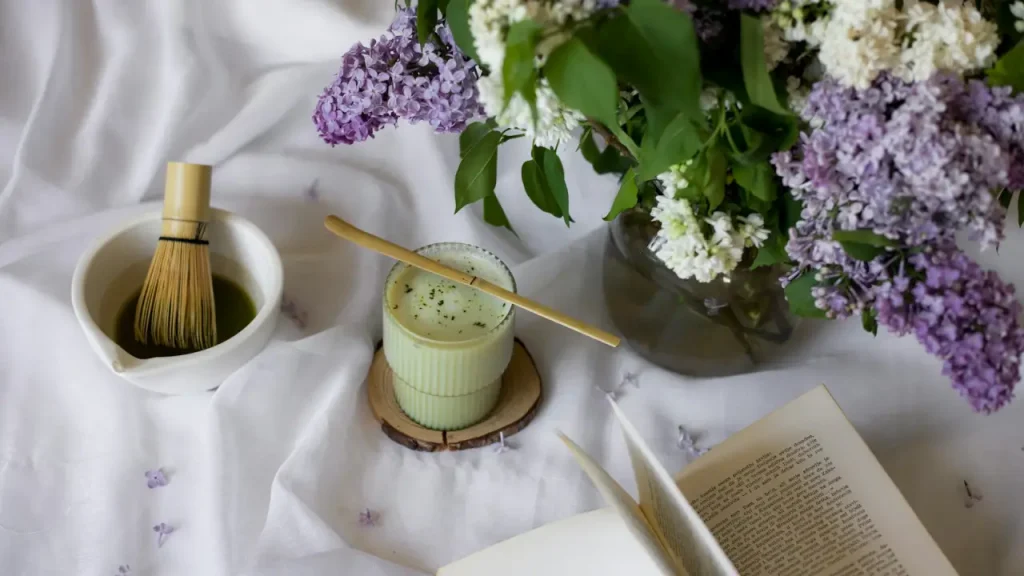
Looking for a refreshing smoothie with a little more character than the usual fruit-and-yoghurt combination?
This green tea smoothie combines chilled green tea with fresh pear, lemon juice, Greek yoghurt and a small amount of honey. A pinch of cayenne adds a gentle warmth, while ice gives the smoothie a thick, refreshing texture.
It takes only a few minutes to make once the tea has cooled, and it’s an easy option for breakfast, a light snack, or a refreshing drink on a warm day.
What Makes This Green Tea Smoothie Different?
Green tea has a distinctive flavour and contains naturally occurring compounds called catechins, as well as caffeine.
Green tea is sometimes promoted as a “fat-burning” or weight-loss drink. The evidence is much less dramatic than that language suggests. Research indicates that green tea, or its catechins and caffeine, may have a modest effect on body weight in some circumstances, but the effect is small, and green tea should not be treated as a fat-burning shortcut.
That is why this recipe is best thought of as a tasty way to enjoy green tea rather than a weight-loss treatment.
Green Tea Smoothie Ingredients
Makes 1 large or 2 small servings
- 1 cup strong-brewed green tea, completely chilled
- 1 small ripe pear, cored and chopped
- 3 tablespoons fresh lemon juice
- 1–2 tablespoons honey, to taste
- 2 tablespoons plain Greek yoghurt or plain yoghurt
- 1/8 teaspoon cayenne pepper
- 6 ice cubes
Why these ingredients?
Green tea provides the distinctive tea flavour and naturally occurring catechins and caffeine.
Pear adds sweetness, flavour and fibre.
Lemon juice gives the smoothie brightness and balances the sweetness of the pear and honey.
Greek yoghurt adds creaminess and some protein.
Honey is optional, but a small amount can soften the bitterness of green tea.
Cayenne pepper is included for flavour, not because you should rely on it as a metabolism booster.
How to Make the Green Tea Smoothie
- Brew the green tea a little stronger than usual. Allow it to cool completely, then refrigerate until cold.
- Add the chilled green tea, chopped pear, lemon juice, honey, yoghurt, cayenne pepper and ice to a blender.
- Blend on high until completely smooth.
- Taste and adjust the sweetness. Add more honey if needed.
- Pour into a glass and serve immediately.
Don’t blend warm tea
Hot liquid can create pressure in a sealed blender and may cause splashing or injury.
Always cool the tea thoroughly before blending.
How to Get the Best Flavour
Use a ripe pear
A ripe pear provides much more natural sweetness than an underripe one. It can also help reduce the amount of honey you need.
Don’t overdo the cayenne
The original recipe uses 1/8 teaspoon, which gives the smoothie a gentle kick.
You can reduce this to a pinch or leave it out altogether if you don’t enjoy spicy flavours.
Adjust the lemon
Three tablespoons give the smoothie a pronounced citrus flavour.
Start with two tablespoons if you prefer a gentler lemon taste and add more after blending.
Use thick yoghurt for a creamier texture
Greek yoghurt makes the smoothie thicker and gives it a more substantial mouthfeel. Plain yoghurt will produce a lighter result.
Can You Reduce the Honey?
Yes.
The original recipe contains three tablespoons of honey, but that is more sweetness than many people need, especially when the pear is ripe.
Start with one tablespoon and taste the smoothie after blending. Add more only if required.
This also gives you more control over the amount of added sugar in the drink.
Green Tea and Weight Management
The phrase “fat burning” has been used extensively in older health and fitness marketing, but it can be misleading.
Green tea contains catechins and caffeine, and research suggests these compounds may have a modest effect on body weight. More recent systematic reviews have reported small reductions in body weight or measures of adiposity in some groups, but the evidence varies, and the effect is not large.
A smoothie containing green tea therefore shouldn’t be presented as a drink that “burns fat.”
What makes this recipe useful is much simpler: it is a refreshing homemade drink made from familiar ingredients, and you can control exactly how much honey and yoghurt it contains.
Does Green Tea Contain Caffeine?
Yes.
Green tea naturally contains caffeine, although the amount varies by tea, brewing method, and how much you drink.
If you are sensitive to caffeine, avoid drinking this smoothie late in the evening or use decaffeinated green tea.
Green tea as a beverage is generally considered safe for adults in moderate amounts, but concentrated green tea extracts and supplements are different. Some green tea extract products have been associated with adverse effects, including increased blood pressure and, rarely, liver injury.
This recipe uses brewed green tea rather than a concentrated extract.
When Is the Best Time to Drink It?
No special “fat-burning” time is required.
You can enjoy the smoothie:
- With breakfast
- As a mid-morning snack
- After a walk or workout
- As a light afternoon refreshment
- As part of a simple homemade breakfast
Because it contains fruit, yoghurt and honey, remember that it still contributes calories and carbohydrates. If you’re using it as a snack, the smaller serving may be enough.
Simple Variations
Once you’ve tried the original recipe, you can change it in plenty of ways.
Ginger and Pear
Add a small piece of fresh ginger for extra warmth and a sharper flavour.
Green Tea and Apple
Replace the pear with a small sweet apple.
Mint and Lemon
Add a few fresh mint leaves for a cooler, more refreshing taste.
Berry Green Tea Smoothie
Replace some of the pear with a small handful of berries.
Creamier Green Tea Smoothie
Use a little more Greek yoghurt and reduce the ice slightly.
Can You Prepare It in Advance?
This smoothie is best when freshly blended.
You can, however, brew the green tea in advance and keep it chilled in the refrigerator. Then the smoothie itself takes only a few minutes to make.
If you make the complete smoothie ahead of time, keep it refrigerated and stir or shake it well before drinking. The texture may change slightly as it sits.
Frequently Asked Questions
Does this green tea smoothie burn fat?
No food or drink should be presented as a guaranteed fat-burning solution.
Green tea contains catechins and caffeine that may modestly affect body weight in some circumstances, but the effect is small and the evidence is mixed.
Can I make this smoothie without honey?
Yes. If the pear is ripe enough, you may not need honey at all.
Can I use matcha instead of brewed green tea?
You can, but matcha is different from brewed green tea because you consume the powdered tea leaf itself. It may also provide more caffeine depending on the amount used.
For this recipe, brewed green tea keeps the flavour lighter and closer to the original version.
Can I use a different fruit?
Absolutely. Apples, berries, and peaches all work well. Choose fruit that provides enough sweetness to balance the green tea and lemon.
Can I leave out the cayenne pepper?
Yes. It is there primarily for flavour and is completely optional.
Can I use dairy-free yoghurt?
Yes. Choose a plain unsweetened dairy-free yoghurt if you want a plant-based version.
Is green tea safe to drink every day?
Green tea consumed as a beverage is generally considered safe for adults in moderate amounts, although it contains caffeine and may interact with some medicines. Concentrated green tea extracts have a different safety profile.
If you take medication or have a medical condition, check with your healthcare professional before making major changes to your caffeine intake or using concentrated green tea supplements.
The Bottom Line
This green tea smoothie is a simple, refreshing way to enjoy brewed green tea with pear, lemon and yoghurt.
It is worth leaving the old “fat-burning” language behind. Green tea may have modest effects on body weight, but it is not a shortcut to losing fat.
Instead, enjoy this smoothie for what it is: a quick homemade drink with a fresh citrus flavour, gentle spice and a creamy texture.
Recommended Further Reading:
External References
- National Centre for Complementary and Integrative Health (NCCIH), Green Tea: https://www.nccih.nih.gov/health/green-tea
- Gholami et al., 2024 systematic review and meta-analysis on green tea catechins and exercise: https://pubmed.ncbi.nlm.nih.gov/39350601/
- Asbaghi et al., 2024 systematic review and meta-analysis of green tea extract and body composition: https://pubmed.ncbi.nlm.nih.gov/38031409/
- Jayedi et al., 2024 systematic review and network meta-analysis of tea and coffee and body weight: https://pubmed.ncbi.nlm.nih.gov/39497467/