
The word “toning” is everywhere in the fitness world.
You will find workouts promising toned arms, a toned stomach, toned legs and even very specific “toning” exercises supposedly designed to reshape one part of the body.
But what does toning actually mean?
There is no special type of muscle called a “toned muscle”. In ordinary fitness language, people usually mean a combination of having some muscle development and having enough definition for the shape of the muscle to be visible.
That means you do not need a mysterious toning programme.
A sensible combination of resistance training, aerobic activity, appropriate nutrition and consistency can help improve strength, fitness and body composition.
This article looks at some of the most common toning exercise myths and separates them from what actually makes sense.
Below is a list of 13 Toning Exercise Myths
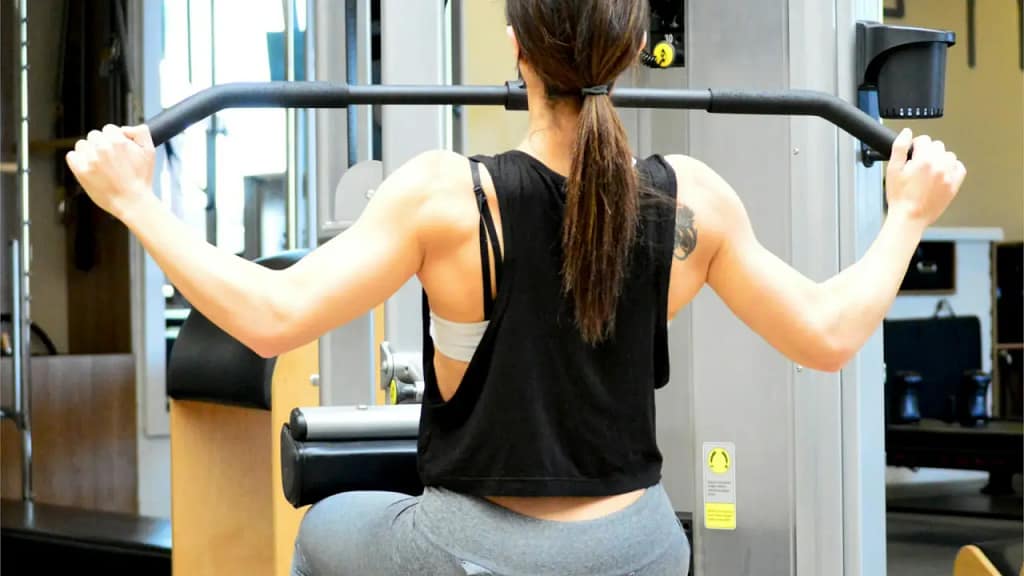
Myth 1: There Are Special Exercises That “Tone” Muscles
The myth: You need exercises specifically designed for toning.
The reality: Muscles respond to training. Strength exercises make muscles work harder than usual and can improve their strength, size, power and endurance. Resistance can come from weights, bands, machines or your own body weight.
There is no separate biological process called “toning”.
If you want stronger, more developed muscles, use resistance exercises that challenge them.
Examples include:
- squats
- lunges
- rows
- presses
- push-ups
- resistance-band exercises
- weight training
- bodyweight exercises
The best choice is the one that suits your ability, goals and circumstances.
Myth 2: Light Weights Tone You, While Heavy Weights Make You Bulky
The myth: Using light weights for lots of repetitions gives you a toned appearance, while heavier weights automatically make you bulky.
The reality: The body does not divide resistance training into “toning” weights and “bulking” weights.
Resistance training can improve muscle strength and muscle size. How much muscle you gain depends on many factors, including the programme you follow, training volume, nutrition, genetics, training experience and the length of time you train.
The American College of Sports Medicine’s 2026 resistance-training position stand reviewed evidence from more than 137 studies involving more than 30,000 participants and provides updated recommendations for muscle function, hypertrophy and physical performance.
The practical lesson is simple:
Choose a resistance level that allows you to perform the exercise with good technique and appropriate effort.
As you become stronger, you can gradually increase the challenge.
Myth 3: Women Should Avoid Heavy Weights Because They Will Become Bulky
The myth: Women who lift heavier weights will quickly become excessively muscular.
The reality: Resistance training is a normal part of healthy fitness for women as well as men.
Muscle growth is influenced by many factors, and substantial increases in muscle size generally require sustained training and other conditions that support hypertrophy.
You should not avoid strength training simply because you are concerned that one exercise session will suddenly make you “too muscular”.
Strength training can help improve strength, function and physical fitness, and muscle-strengthening activity is recommended for adults on at least two days each week.
Start with a level that you can control safely and progress gradually.
Myth 4: High Repetitions Automatically Create Definition
The myth: You need very high repetitions to get “defined” muscles.
The reality: Repetition count is only one part of a resistance-training programme.
The number of repetitions you use should depend on the exercise, the resistance, your training experience and your goal.
For general muscle strengthening, 8 to 12 repetitions is one practical example. The important thing is that the exercise provides enough challenge to make the muscles work.
There is no magic repetition number that switches the body from “building muscle” to “toning”.
Myth 5: You Can Tone One Specific Body Part
The myth: If you want to lose fat around your stomach, do lots of abdominal exercises. If you want slimmer thighs, train your thighs.
The reality: Strength exercises can strengthen the muscles you train, but that does not mean you can choose exactly where your body loses stored fat.
This is commonly called “spot reduction”.
You can strengthen your abdominal muscles with appropriate exercises. But doing hundreds of abdominal repetitions does not guarantee that the body will selectively remove fat from your stomach.
A better approach is to combine overall physical activity with resistance training and appropriate eating habits.
Myth 6: Cardio Is the Best Way to Get Toned
The myth: You need endless cardio to create a toned appearance.
The reality: Aerobic exercise and resistance training do different jobs, and both can have a place in a well-rounded fitness programme.
Walking, cycling, swimming and other aerobic activities can improve cardiovascular fitness and contribute to energy expenditure.
Resistance training directly challenges muscles and helps improve muscular strength and function.
For general health, adults are advised to combine aerobic activity with muscle-strengthening activity.
You do not have to choose one or the other.
Myth 7: You Have to Exercise Every Day
The myth: If you want a toned body, you need to exercise every day.
The reality: More exercise is not automatically better.
Your body needs time to recover, particularly after demanding resistance training.
A sensible programme can include training days, easier activity and rest days.
Current guidance recommends muscle-strengthening activity on at least two days each week rather than requiring strength training every day.
The right schedule depends on your goals, fitness level, training experience and ability to recover.
Myth 8: You Need a Gym to Get “Toned”
The myth: A gym membership and specialist equipment are essential.
The reality: You can perform effective strength exercises at home, outdoors or elsewhere.
Bodyweight exercises, resistance bands, dumbbells and other simple equipment can all be used to challenge muscles.
A gym can be useful, but it is not a requirement.
Myth 9: You Need a Special “Toning Workout”
The myth: A particular routine advertised as a “toning workout” is inherently better for creating definition.
The reality: The label tells you very little.
Ask better questions:
Which muscles does it train?
How challenging is it?
Can you perform it safely?
Can you progressively make it more demanding?
Does it fit your overall exercise routine?
Those questions are much more useful than whether the programme has the word “toning” on the cover.
Myth 10: More Exercise Always Produces Better Results
The myth: If a little exercise is good, doing as much as possible must be better.
The reality: Training has to be balanced with recovery.
Doing more can be appropriate when you are ready for it, but suddenly increasing your exercise volume can leave you excessively tired, sore or unable to maintain the routine.
A more sensible approach is progressive overload: gradually increasing the challenge as your body adapts.
That might mean:
- slightly more resistance
- more repetitions
- another set
- a harder variation
- better control
- more challenging exercises
You do not have to make every workout brutal.
Myth 11: You Have to “Feel the Burn” for Exercise to Work
The myth: If a workout does not burn, it has not done anything.
The reality: Sensation is not a reliable measurement of whether an exercise programme is effective.
A demanding session can create muscle fatigue or a burning sensation, but that feeling is not the goal by itself.
Good training is about applying an appropriate challenge and progressing over time.
Pain is not a sign that a workout is working.
Persistent or severe pain is a reason to stop and consider whether something is wrong.
Myth 12: Soreness Means You Had a Better Workout
The myth: The more sore you are the next day, the more effective the workout was.
The reality: Muscle soreness can happen after unfamiliar or demanding exercise, but soreness is not a scorecard.
A workout can be productive without leaving you unable to walk comfortably the next morning.
If you constantly make yourself extremely sore, you may actually make it harder to train consistently.
Myth 13: You Can Eat Anything Because You Exercise
The myth: Exercise allows you to ignore what you eat.
The reality: Exercise and nutrition both matter, but they have different roles.
Regular physical activity can support health, fitness and body composition. Nutrition also influences body weight and body composition.
There is no need for extreme dieting.
A generally balanced eating pattern is a more sensible foundation than trying to “burn off” everything you eat through exercise.
If weight loss is one of your goals, aim for an approach that you can maintain rather than a short-term punishment diet.
What Actually Helps Create a More Defined Appearance?
Forget the word “toning” for a moment.
Think about the underlying goals.
If you want to become stronger, resistance training is important.
If you want to improve cardiovascular fitness, include aerobic activity.
If reducing body fat is an appropriate goal for you, your overall diet and activity pattern matter.
If you want to move better, include mobility and functional exercises that suit your needs.
A well-rounded programme could therefore contain:
Aerobic activity
Walking, cycling, swimming or another activity you enjoy.
Muscle strengthening
Training the major muscle groups at least twice a week is a useful general target for adults.
Recovery
Rest and easier days when appropriate.
Everyday movement
Walking, active travel, gardening, household tasks and other movement.
What Does a Simple Strength Routine Look Like?
You do not need a complicated bodybuilding programme.
A beginner might start with exercises that cover the major movement patterns, such as:
- squat or sit-to-stand
- hip hinge or another posterior-chain exercise
- push
- pull
- core stability
- a simple carry where appropriate
The exact exercises should be chosen according to your ability and circumstances.
Start gradually and learn good technique before worrying about advanced methods.
As you become stronger, increase the challenge in small steps.
How Often Should You Strength Train?
For general health, adults should do muscle-strengthening activity on at least two days each week, working the major muscle groups.
That does not mean everyone needs the same programme.
Someone new to resistance training may begin with a small amount.
Someone with years of experience may train more often.
The important thing is to make the programme appropriate to your fitness, goals and recovery.
What About Walking?
Walking is excellent for general activity and aerobic fitness, but it does not replace every other component of fitness.
A brisk walk can contribute to your aerobic activity.
Resistance training provides a different kind of stimulus for your muscles.
Combining the two can therefore make sense for a balanced fitness programme.
Our Walking for Exercise: How to Get More From Your Walks article goes into more detail about building walking into your routine.
The Role of Your Personal Fitness Plan
A personal fitness plan should be built around what you actually want to achieve.
If your goal is simply to become more active, walking may be enough to get you started.
If you want to become stronger, add resistance training.
If you want to improve fitness, include aerobic activity.
If you want to improve balance or maintain function as you get older, appropriate balance and strength exercises can be useful.
Do not allow the word “toning” to dictate your entire programme.
Define the outcome you want, then choose the training that supports it.
A Simple Weekly Example
Here is one straightforward example for a generally healthy adult:
Monday: 30-minute brisk walk
Tuesday: Full-body strength session
Wednesday: Easy walk or rest
Thursday: 30-minute brisk walk
Friday: Full-body strength session
Saturday: Longer walk or another enjoyable aerobic activity
Sunday: Rest or gentle movement
This is only an example.
Your ideal programme will depend on your starting point, goals, health and available time.
When Should You Get Professional Advice?
If you are new to exercise and have a medical condition, significant injury, major mobility limitation or concerns about increasing your activity, speak with an appropriately qualified healthcare professional.
People with chronic conditions or disabilities can often benefit from physical activity, but the type and amount may need to be adapted to the individual.
Stop exercising and seek appropriate medical attention for serious symptoms such as significant chest pain, fainting, severe breathlessness or sudden neurological symptoms.
The Bottom Line
“Toning” is not a special form of exercise.
You do not need secret toning exercises, endless high repetitions or a special programme designed to reshape one tiny area of your body.
What you need depends on your actual goal.
For strength and muscle development, challenge your muscles with resistance training.
For cardiovascular fitness, include aerobic activity.
For body-composition goals, consider your overall activity and eating pattern.
For long-term results, make the whole routine realistic enough to continue.
And remember:
You don’t need a toning workout.
You need a good fitness programme.
That is much simpler — and much more useful.
Recommended Further Reading:
Medical Disclaimer
This article is for general educational purposes and is not a substitute for personalised medical advice, diagnosis or treatment. If you have a medical condition, injury, significant symptoms or concerns about starting or changing an exercise programme, speak with an appropriately qualified healthcare professional.