
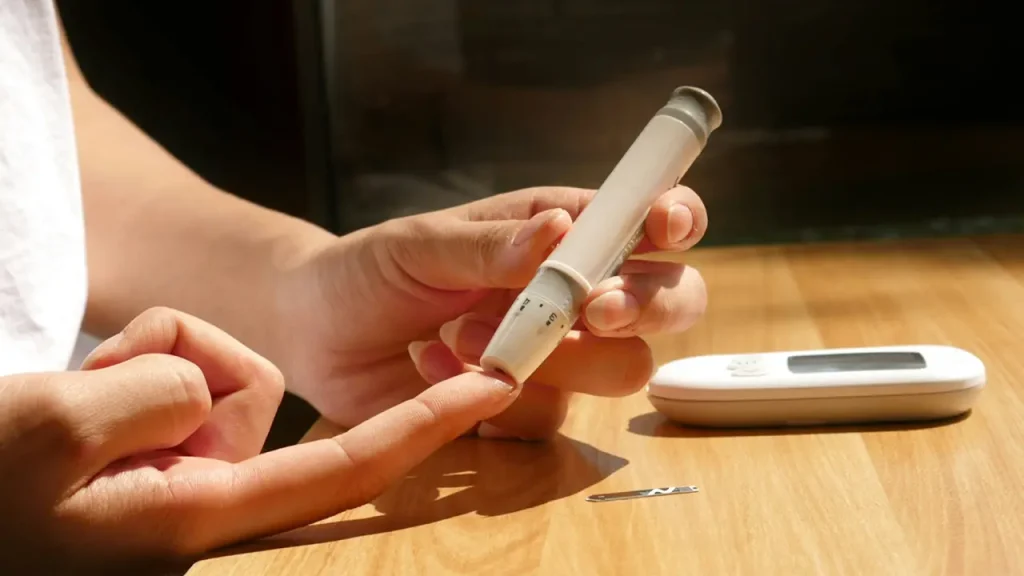
If you have diabetes, keeping your blood glucose within your individual target range is an important part of looking after your health.
Food, physical activity, sleep, stress, illness and medicines can all affect blood glucose. But there is no single “natural” trick that works for everyone.
The most useful approach is to understand your diabetes, follow the treatment plan recommended for you, make sustainable lifestyle changes and get support when you need it.
Important: This article provides general health information. It is not a personalised diabetes treatment plan and should not replace advice from your doctor, diabetes nurse or other qualified healthcare professional.
What does blood sugar mean?
Blood sugar, more accurately called blood glucose, is the main sugar circulating in your blood. Your body uses glucose for energy.
Insulin is a hormone that helps glucose move from your blood into your cells. Type 1 and type 2 diabetes have different causes and require different approaches to treatment. Insulin is essential treatment for type 1 diabetes.
Can lifestyle changes help control blood sugar?
Yes.
For people with type 2 diabetes or prediabetes, changes to eating habits, physical activity and weight can help lower blood glucose. In some people with type 2 diabetes, substantial weight loss can contribute to remission.
Lifestyle changes can also be important alongside medication. They are not an alternative to prescribed treatment when medication is needed.
Choose a healthy eating pattern rather than a miracle diet
There is no single diabetes diet that everyone must follow.
A useful eating pattern can include:
- vegetables and fruit
- wholegrain foods and other high-fibre carbohydrates
- beans, peas and lentils
- suitable sources of protein
- sensible portion sizes
- fewer foods and drinks high in added sugar
The NHS recommends a healthy diet including fruit, vegetables, wholegrains and pulses, and suggests making changes gradually when necessary.
The aim is to build an eating pattern that works in everyday life.
What about carbohydrates?
Carbohydrate-containing foods are broken down into glucose, so the amount and type of carbohydrate you eat can affect blood glucose.
That does not mean everyone with it should avoid carbohydrates.
Wholegrains, pulses, vegetables and other high-fibre carbohydrate foods can be part of a healthy eating pattern. If you use insulin or medicines that can cause low blood glucose, significant dietary changes may affect your treatment, so discuss them with your healthcare team.
Physical activity can help
Being active is an important part of diabetes management.
Regular activity can help the body use glucose and can contribute to maintaining a healthy weight. The NHS advises people with type 2 diabetes or at risk of it to aim for at least 2.5 hours of activity across the week, such as walking or another activity that makes you breathe harder.
You do not have to become an athlete. Walking, cycling, swimming, gardening and other activities can all count.
Weight can be part of the picture
For some people with type 2 diabetes, losing weight can improve blood glucose and may contribute to remission.
But weight management is individual. It is not appropriate to assume everyone with it should follow a highly restrictive diet.
Current NICE guidance recommends individualised treatment, taking account of health, other conditions and treatment needs.
What happens during illness?
Illness can make blood glucose harder to manage.
Infections, stress and changes in eating or drinking can all affect glucose levels. If you have diabetes, make sure you know the sick-day rules that apply to your particular medicines and diabetes type.
If you use insulin, do not stop it without urgent professional advice.
What about medication?
Medication is an important part of diabetes care for many people.
Current NICE guidance for type 2 diabetes includes a range of medicines, with treatment chosen according to individual blood glucose targets and other health factors.
For type 1 diabetes, insulin is essential. Some people with type 2 diabetes also need insulin.
Needing medication does not mean you have failed to manage your diabetes. Diabetes UK makes the same point: insulin can simply be the treatment that is needed to keep blood glucose within a safer range.
Never replace prescribed treatment with a “natural” remedy
This is particularly important with diabetes.
There are countless products marketed as natural blood-sugar controllers, including herbs, supplements and special foods.
Diabetes UK states that herbal and complementary remedies should not replace diabetes medication and that “natural” does not necessarily mean safe. Supplements can interact with medicines or potentially worsen complications.
So even if a product appears harmless, discuss it with your healthcare team before using it for blood-glucose management.
What about cinnamon and other popular remedies?
Cinnamon, apple cider vinegar and similar products are often promoted online as ways to “control blood sugar naturally”.
Even when a small study suggests a possible effect, that is not the same as proving that a product can safely manage diabetes or prevent complications.
Diabetes UK specifically notes that cinnamon is not a cure for type 2 diabetes.
Your diabetes treatment should be based on approaches with reliable evidence rather than internet trends.
Monitor your blood glucose as advised
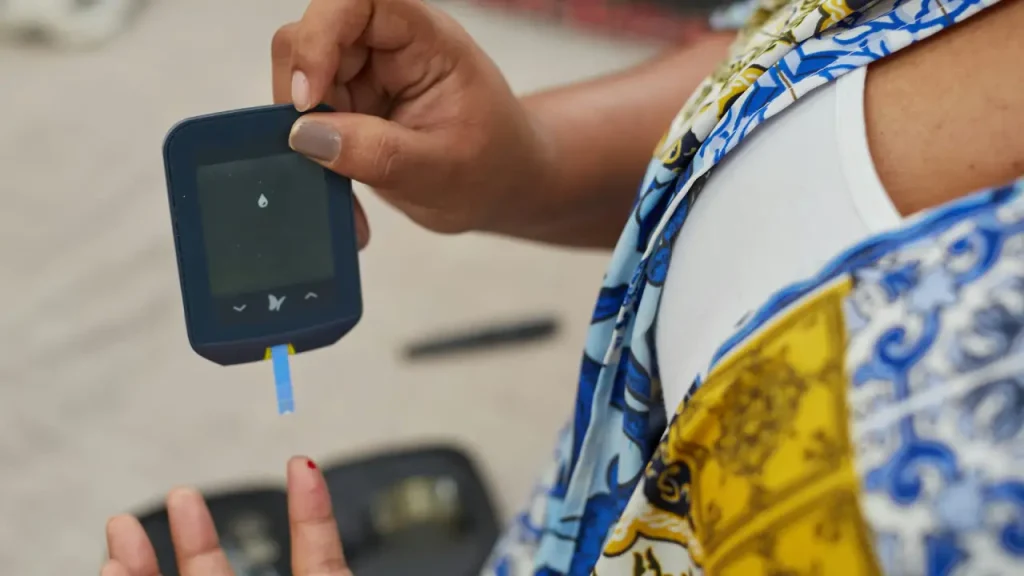
Some people with diabetes need to check their blood glucose regularly. Others may use flash or continuous glucose monitoring.
The need for monitoring and the target range depend on the type of diabetes, treatment and individual circumstances.
Use the schedule and targets provided by your healthcare team rather than trying to apply somebody else’s numbers to yourself.
Learn your own patterns
Blood glucose can be affected by many things, including:
- particular meals
- exercise
- poor sleep
- stress
- illness
- changes to medication
Keeping track of patterns can help you and your healthcare team understand what is happening.
Do not make major treatment changes based on a single reading.
What is remission?
Some people with type 2 diabetes can achieve remission, particularly after significant weight loss.
Remission is not the same as a permanent cure. Diabetes can return, particularly if weight is regained.
The NHS and NICE both recognise remission as a possible outcome for some people with type 2 diabetes, but it is not something that can be guaranteed by a particular diet or supplement.
Blood glucose that is too high or too low
Both high and low blood glucose can be important.
A hypo (low blood glucose) can happen particularly in people using insulin or certain diabetes medicines. Symptoms may include sweating, shaking, hunger, dizziness, difficulty concentrating or confusion.
Very high blood glucose can also become dangerous, particularly when associated with serious complications.
If you have diabetes, make sure you know the warning signs and the hypo and sick-day guidance provided by your healthcare team.
When should you seek urgent help?
Seek urgent medical advice if you are very unwell, particularly if high blood glucose is accompanied by vomiting, abdominal pain, dehydration, rapid breathing, confusion or severe drowsiness.
Severe low blood glucose can also be an emergency.
If you have been given an individual emergency plan by your diabetes team, follow it.
Do not rely on a home remedy to bring dangerously abnormal blood glucose back to normal.
A sensible approach to managing blood sugar
Rather than searching for a single “natural” solution, focus on the things that have a meaningful place in diabetes care:
Eat a balanced diet that suits your needs.
Stay physically active.
Work towards a healthy weight if appropriate for you.
Take prescribed medication as directed.
Monitor glucose when your healthcare team recommends it.
Learn how illness, stress, sleep and activity affect your glucose.
Ask for support when diabetes is becoming difficult to manage.
That may sound less exciting than a miracle food or supplement.
It is also much more useful.
The bottom line
There is no single natural trick that can safely control blood sugar for everyone with diabetes.
For type 2 diabetes, healthy eating, regular physical activity and weight management can improve blood glucose and, for some people, contribute to remission. Medication is also an important part of treatment for many people.
For type 1 diabetes, insulin remains essential.
The best way to manage blood glucose is to combine evidence-based lifestyle measures with the treatment and monitoring appropriate for your particular diabetes.
And perhaps the most important message of all:
Needing medication is not a failure. Looking after your diabetes means using whatever combination of support, lifestyle measures and treatment keeps you as healthy as possible.
Medical Disclaimer
The information provided in this article is for general educational purposes only. It is not intended to diagnose, treat, cure or prevent diabetes or any other medical condition, and it should not be used as a substitute for professional medical advice, diagnosis or treatment.
Diabetes treatment is highly individual. Do not stop insulin, other prescribed diabetes medicines, glucose monitoring or other treatment because of information in this article. Significant changes to diet, exercise, supplements or weight can affect blood glucose and may require adjustments to treatment.
If you have diabetes and are experiencing very high or very low blood glucose, are vomiting, confused, severely dehydrated, unusually drowsy or otherwise seriously unwell, seek urgent medical advice.
Natural Health Kingdom does not accept responsibility for any loss or injury resulting from reliance on information contained in this article.