

The phrase “complete nutrition” can make healthy eating sound much more complicated than it needs to be.
You may come across claims that you need to eat the perfect combination of foods, take a long list of supplements or follow a special diet to give your body everything it needs.
In reality, good nutrition is much more practical.
Your body needs energy, protein, fats, carbohydrates, vitamins, minerals, fibre and fluids. The exact amounts vary from person to person, but a varied and balanced diet can provide most of these nutrients for most people.
The NHS says most people should get the nutrients they need by eating a varied and balanced diet, although some people may need supplements in specific circumstances. The World Health Organisation also describes healthy diets in terms of adequacy, balance, moderation and diversity.
What Does Complete Nutrition Actually Mean?
There is no official food called “complete nutrition”.
In everyday language, the term simply means providing your body with the nutrients and energy it needs without regularly getting too little or too much of something important.
Those needs include:
- protein
- carbohydrates
- fats
- vitamins
- minerals
- fibre
- fluids
You also need enough total energy to support your body and activity without consistently consuming more energy than you need.
The WHO describes healthy diets as needing to be adequate, balanced, moderate and diverse.
That is a much more useful definition than trying to identify one perfect food.
Why Variety Matters
No single food provides everything your body needs in the right amounts.
An orange can provide vitamin C and other nutrients.
Eggs provide protein and several vitamins and minerals.
Oats provide carbohydrate, fibre and other nutrients.
Fish can provide protein, vitamins and minerals, and oily fish is a source of omega-3 fatty acids.
Beans and lentils provide protein, fibre, vitamins and minerals.
The point is not to find the one food that does the job of all the others.
It is to eat a range of foods so their nutritional strengths complement one another.
The NHS specifically recommends eating a wide variety of foods to help ensure you receive all the nutrients your body needs.
Energy: Your Body Needs Fuel
Food does more than provide vitamins and minerals.
Your body needs energy to keep your heart beating, maintain body temperature, support movement and power countless processes that happen without you thinking about them.
Carbohydrates, fats and protein all contribute to energy intake.
The amount of energy you need depends on factors such as your body size, age, sex and activity level.
The NHS explains that healthy eating involves balancing the energy you consume with the energy you use.
That is one reason why “more nutrition” does not automatically mean “more food”.
Your goal is enough of what your body needs, not unlimited amounts.
Protein: Essential for Growth and Repair
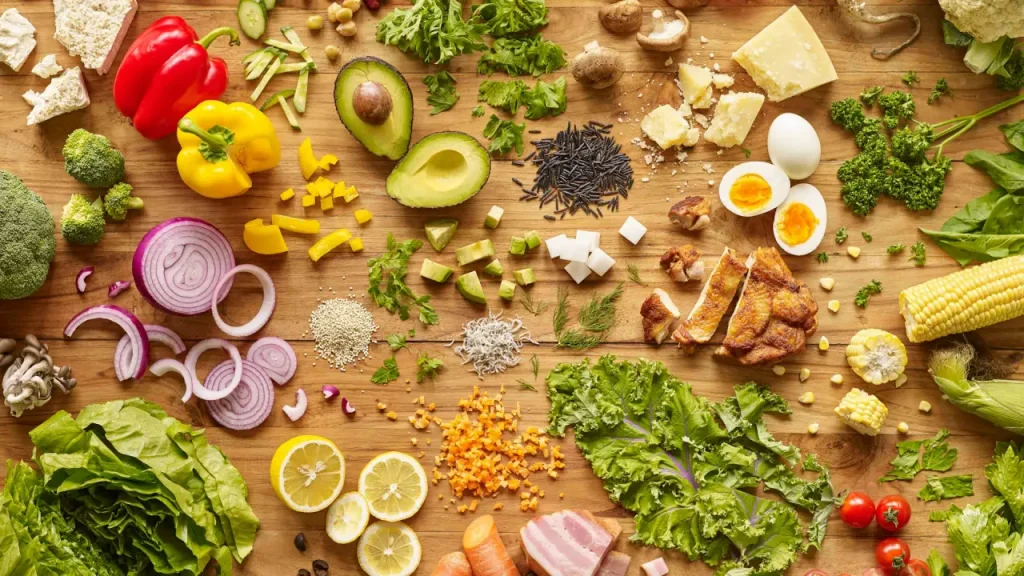
Protein is needed for growth and repair and forms an important part of many structures and processes in the body.
Useful protein sources include:
- beans, peas and lentils
- eggs
- fish
- poultry and meat
- milk, yoghurt and other dairy foods
- soya products
- nuts and seeds
The NHS includes beans, pulses, fish, eggs, meat and other protein foods as part of a balanced eating pattern.
You do not need to rely on one particular protein source.
A mixture can make your diet both more varied and easier to maintain.
Carbohydrates Are Not the Enemy
Carbohydrates often receive a bad reputation in diet culture.
But carbohydrates are a major source of energy and can be part of a healthy diet.
The quality of the carbohydrate foods you choose matters.
Useful options include:
- oats
- wholegrain bread
- brown rice
- wholewheat pasta
- potatoes
- fruit
- vegetables
- beans and lentils
The NHS recommends basing meals on higher-fibre starchy foods such as potatoes, bread, rice, pasta and cereals.
The WHO similarly recommends that carbohydrates come primarily from whole grains, vegetables, fruits and pulses.
Why Fibre Matters
Fibre supports normal bowel function and is found mainly in plant foods.
Good sources include:
- vegetables
- fruit
- beans and lentils
- oats
- wholegrain bread
- brown rice
- wholewheat pasta
- potatoes with their skins on
- nuts and seeds
The NHS recommends choosing higher-fibre foods as part of a balanced diet, while the WHO recommends at least 25g of naturally occurring dietary fibre each day for people over 10.
Increasing fibre gradually can be more comfortable for people who currently eat very little fibre.
Healthy Fats Have a Role Too
Fat is an essential part of the diet.
It provides energy and helps the body absorb certain fat-soluble vitamins.
The important distinction is not “fat versus no fat”.
It is the type and amount of fat.
The NHS recommends getting most dietary fat from unsaturated oils and spreads and eating fats in small amounts because all fats are energy dense.
Useful sources include:
- olive oil
- rapeseed oil
- nuts
- seeds
- avocado
- oily fish
That does not make saturated fat poisonous.
It simply means that a healthy pattern should not be dominated by foods high in saturated fat.
Vitamins and Minerals
Vitamins and minerals are needed in relatively small amounts, but they play important roles throughout the body.
They include nutrients such as:
- vitamin A
- B vitamins
- vitamin C
- vitamin D
- vitamin E
- vitamin K
- calcium
- iodine
- iron
- magnesium
- potassium
- zinc
The NHS explains that most people can obtain the vitamins and minerals they need from a varied and balanced diet.
There is therefore no need to memorise every vitamin and mineral before you can eat well.
Eating a broad range of nutritious foods is the more useful strategy.
A Stronger Immune System Is Not the Whole Story
The original version of this article suggested that complete nutrition automatically gives you a stronger immune system.
That is too simplistic.
Nutrition is certainly important for normal immune function, and inadequate nutrition can affect health.
But there is no single diet that guarantees you will not get infections.
A healthy immune system depends on many factors, not simply whether you have eaten a particular group of foods.
The more accurate message is that good nutrition helps support normal body function, including immune function, while a poor or inadequate diet can contribute to nutritional deficiencies.
That is another reason to focus on overall dietary quality rather than a “superfood” or supplement.
What Happens When You Do Not Get Enough Nutrients?
When a diet consistently fails to provide enough of a particular nutrient, deficiency can develop.
The signs and consequences depend on the nutrient involved.
For example, iron deficiency can contribute to anaemia, while inadequate vitamin D can affect bone health.
But it is important not to diagnose a deficiency simply because you feel tired or unwell.
Many symptoms have multiple possible causes.
If you are concerned about a possible nutritional deficiency, speak with your GP or another qualified healthcare professional rather than starting a large number of supplements on your own.
What About Supplements?
Supplements can be useful in specific circumstances.
They are not automatically better than food.
The NHS says most people should be able to get the nutrients they need from a varied and balanced diet, although certain groups may need extra vitamins or minerals.
Vitamin D is one familiar example in the UK because sunlight exposure is limited during parts of the year and some people are at particular risk of deficiency.
Pregnancy is another situation in which specific supplementation is recommended.
The important point is to use supplements because there is a genuine reason for them, not because a larger number of tablets sounds like better nutrition.
Do You Need a Perfect Diet Every Day?
No.
Healthy eating is a pattern, not a single meal.
One lunch that contains too little fibre does not suddenly create a nutritional crisis.
Likewise, eating a slice of cake does not undo an otherwise balanced diet.
The NHS describes healthy eating in terms of a wide variety of foods in the right proportions rather than demanding perfection.
This is an important distinction because perfection can make healthy eating unnecessarily stressful.
A Simple Way to Build More Complete Meals

You do not need a calculator to build a nutritious plate.
A useful everyday approach is to include:
Vegetables or fruit
Add a variety of colourful plant foods.
A protein source
Choose beans, lentils, eggs, fish, poultry, meat, yoghurt, tofu or another suitable option.
A higher-fibre carbohydrate
Try oats, wholegrain bread, potatoes, brown rice or wholewheat pasta.
Some healthy fat
A small amount of olive oil, nuts, seeds, avocado or oily fish can fit the pattern.
A drink
Water is a simple default, while tea and coffee can also contribute to fluid intake.
This is not a rigid formula.
It is a framework that makes nutritional variety easier.
What Does a Day of Complete Nutrition Look Like?
There is no universal perfect menu.
But here is one example of a varied day.
Breakfast
Porridge made with milk or a suitable fortified alternative, topped with berries and a few nuts.
Lunch
Lentil and vegetable soup with wholegrain bread and fruit.
Snack
Plain yoghurt with fruit.
Dinner
Grilled fish with potatoes, green vegetables and a mixed salad.
Another Option
Replace the fish with beans, lentils, tofu, eggs or another protein food.
The exact foods can change completely while the overall nutritional structure remains similar.
That flexibility is one of the great advantages of a balanced diet.
Can You Get Complete Nutrition From Plants?
Yes, but “complete” still requires variety.
A well-planned plant-based diet can provide many nutrients from vegetables, fruit, whole grains, pulses, nuts and seeds.
However, some nutrients require particular attention depending on what animal foods are excluded.
Vitamin B12 is the obvious example for people following a vegan diet. Other nutrients that may require careful planning include iodine, calcium, iron, vitamin D and omega-3 fats.
This is another reason why restrictive eating patterns should be planned rather than improvised.
What About Older Adults?
Nutritional needs change over the course of life.
Older adults may have a lower energy requirement while still needing an adequate intake of protein, vitamins, minerals and other nutrients.
Appetite can also change with age, making nutrient-dense choices particularly useful.
That does not mean older people need a special “senior diet”.
It means nutritional needs deserve attention when appetite, activity, health conditions or medications change.
For people with particular medical or nutritional needs, individual advice from a doctor or registered dietitian is more appropriate than generic internet advice.
What About Children and Teenagers?
Children and teenagers are growing rapidly, so their nutritional needs are not simply smaller versions of adult needs.
A varied diet containing appropriate amounts of energy, protein, vitamins and minerals supports growth and development.
Restrictive diets in children should therefore be approached particularly carefully.
Parents or carers who are concerned about a child’s nutrition should seek advice from an appropriate healthcare professional rather than relying on a restrictive diet found online.
Can “Superfoods” Give You Complete Nutrition?
No single superfood can replace dietary variety.
Some foods are particularly rich in particular nutrients.
For example:
- oily fish is rich in omega-3 fatty acids
- leafy green vegetables provide folate and other nutrients
- dairy and fortified alternatives can provide calcium
- beans and lentils provide fibre and protein
- nuts and seeds provide healthy fats and other nutrients
That is useful information.
But the goal is to combine foods, not crown one ingredient as the answer to everything.
For practical ideas about a varied diet, see Variety in a Healthy Diet: 7 Simple Ways to Eat More Variety.
How Do You Know If Your Diet Is Good Enough?
You do not need to track every vitamin and mineral.
Instead, ask yourself a few practical questions:
Am I eating a variety of fruit and vegetables?
Do I regularly eat fibre-rich foods?
Do I include useful sources of protein?
Do I include some healthy fats?
Am I relying heavily on foods and drinks high in sugar, salt or saturated fat?
Am I drinking enough fluid?
Is my overall eating pattern realistic enough to maintain?
If the answer to most of those questions is yes, you are probably much closer to a nutritionally balanced diet than you might think.
The Bigger Picture
Complete nutrition is important.
But the phrase should not make healthy eating sound like a complicated science experiment.
Your body needs a broad range of nutrients, and the simplest way to supply them is to eat a broad range of nutritious foods in sensible amounts.
Think variety.
Think balance.
Think moderation.
And think about the overall pattern rather than one perfect meal or one supposedly powerful food.
The WHO identifies adequacy, balance, moderation and diversity as the core principles of a healthy diet.
That is a much more useful goal than trying to make every meal flawless.
For a broader evidence-based guide, see Balanced Diet: The Evidence Based Guide to Healthy Eating.
For an explanation of the reference values used in nutrition advice, see Nutrition Terms Explained: RDA, DRI, EAR, AI and UL.
You can also read Why Minerals in Your Diet Matter: Essential Nutrients Your Body Needs for a closer look at minerals and their food sources.
Medical Disclaimer
This information is provided for general educational purposes only. It is not intended to diagnose, treat, cure or prevent any medical condition and should not be considered a substitute for advice from a qualified healthcare professional.
Nutritional requirements vary between people and can be affected by age, pregnancy, breastfeeding, dietary restrictions, medical conditions, allergies and medications.
People considering a restrictive diet or taking significant amounts of supplements should seek appropriate advice from a doctor, pharmacist or registered dietitian.
Do not use this article as a substitute for individual medical assessment or professional guidance.