
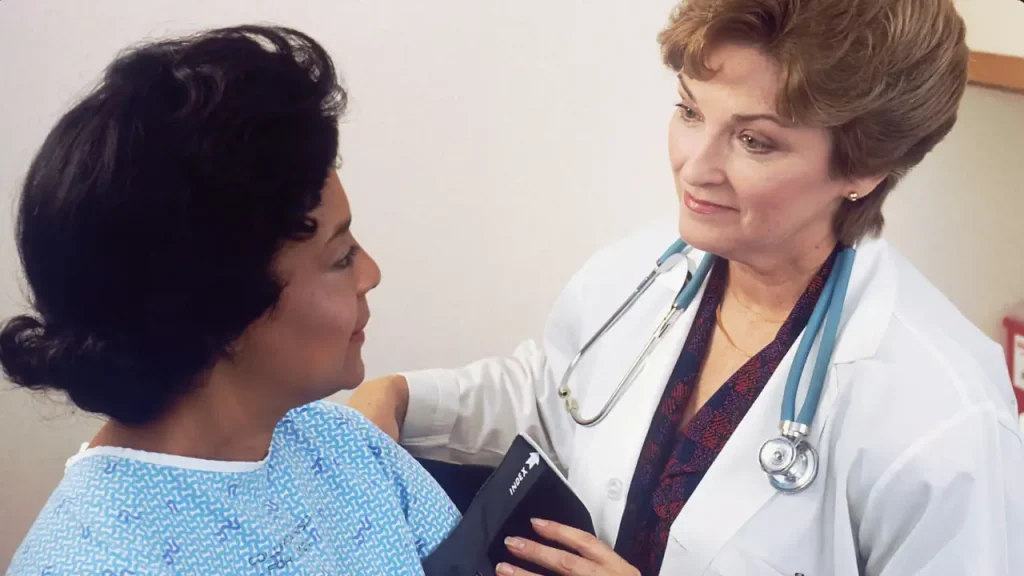
Type 2 diabetes is a common condition in which the level of glucose, or sugar, in your blood becomes too high.
It develops when the body does not use insulin effectively and, over time, may also struggle to produce enough insulin to keep blood glucose under control.
Type 2 diabetes is a serious condition, but it can be managed. For some people, substantial weight loss can lead to type 2 diabetes remission. Remission is not the same as a permanent cure, and regular health checks remain important.
The good news is that there are practical steps you can take to reduce your risk, manage the condition and, in some cases, improve your blood glucose substantially.
What Is Type 2 Diabetes?
Your body uses glucose as an important source of energy. A hormone called insulin helps move glucose from your blood into your cells.
With type 2 diabetes, the body’s cells become less responsive to insulin. This is known as insulin resistance. The pancreas may initially produce more insulin to compensate, but over time it may not be able to produce enough to keep blood glucose within a healthy range.
Type 2 diabetes is different from type 1 diabetes. Type 1 occurs when the immune system attacks the cells in the pancreas that produce insulin and requires insulin treatment. Type 2 develops through a different set of processes and can often be managed using a combination of lifestyle changes, medication and, where appropriate, other treatments.
What Are the Symptoms of Type 2 Diabetes?
One of the difficulties with type 2 diabetes is that some people have few or no obvious symptoms, particularly in the early stages.
Possible symptoms include:
- needing to urinate more often, particularly at night
- increased thirst
- feeling unusually tired
- losing weight without trying
- blurred vision
- cuts or wounds taking longer to heal
- recurrent genital itching or thrush
These symptoms can develop gradually, so it is possible to have type 2 diabetes without realising it.
That is one reason testing matters, particularly when someone has risk factors for the condition.
How Is Type 2 Diabetes Diagnosed?
Type 2 diabetes is diagnosed using blood tests, rather than symptoms alone.
One commonly used test is HbA1c, which gives an indication of your average blood glucose level over the previous two to three months.
An HbA1c result of 48 mmol/mol (6.5%) or above is within the diabetes range for diagnosis. Depending on the circumstances, a healthcare professional may repeat the test to confirm the result.
A result between 42 and 47 mmol/mol (6.0% to 6.4%) is generally described as being in the high-risk or non-diabetic hyperglycaemia range and means that the risk of developing type 2 diabetes is higher.
Don’t try to diagnose yourself from individual symptoms or from a single home blood-glucose reading. A healthcare professional can arrange the appropriate testing and explain what your results mean.
Who Is More Likely to Develop Type 2 Diabetes?
There isn’t one single cause of type 2 diabetes.
Risk is influenced by a combination of factors, which can include:
Age: The risk generally increases as people get older, although type 2 diabetes can also occur in younger adults and children.
Family history: Having a parent, brother or sister with type 2 diabetes can increase your risk.
Body weight: Having overweight or obesity can increase the likelihood of developing insulin resistance, although not everyone with type 2 diabetes has overweight or obesity.
Physical inactivity: Being regularly active helps the body use glucose more effectively.
Previous gestational diabetes: Having diabetes during pregnancy can increase the later risk of type 2 diabetes.
High blood pressure and other health conditions: Some health conditions are associated with a higher risk.
Ethnicity: The risk of developing type 2 diabetes varies between ethnic groups.
Risk factors do not mean that someone will definitely develop diabetes. They simply make prevention, screening and overall health more important.
Can Type 2 Diabetes Be Prevented?
In many cases, the risk of developing type 2 diabetes can be reduced.
That does not mean there is a magic food, supplement or exercise routine that guarantees prevention.
Instead, the most useful approach is to build sustainable habits around food, movement, sleep, weight management and regular health care.
Eat a Balanced Diet
A healthy eating pattern can support blood glucose control, healthy weight management and cardiovascular health.
Rather than searching for a single “diabetes superfood”, aim for a varied diet that includes foods such as vegetables and fruit, wholegrain foods, pulses, sources of protein and healthy fats.
Our Balanced Diet: The Evidence-Based Guide to Healthy Eating is a useful companion to this article.
Be Physically Active
Regular physical activity helps the body use glucose and can improve insulin sensitivity.
It does not have to mean spending hours in a gym. Walking, cycling, swimming, strength training and other activities can all form part of an active lifestyle.
For adults at risk of type 2 diabetes, NHS guidance recommends aiming for regular activity across the week, building up gradually if you are not currently active.
Our Walking for Fitness and How to Make Exercise a Habit articles can provide practical starting points.
Manage Your Weight Where Appropriate
For people living with overweight or obesity, losing weight can reduce the risk of developing type 2 diabetes and can improve metabolic health.
However, weight is only one part of the picture. Type 2 diabetes is influenced by genetics, age, ethnicity, body composition, activity levels and other factors as well.
The goal should be a sustainable approach rather than repeated crash diets.
How Is Type 2 Diabetes Treated?

Treatment varies from person to person.
For some people, lifestyle changes may make a substantial difference. Others need medication, and some may need more than one type of treatment.
Depending on the individual situation, treatment may involve:
Dietary changes to support healthier blood glucose levels and overall health.
Physical activity to support glucose control and cardiovascular health.
Weight management where losing excess weight is appropriate.
Medicines that lower blood glucose or improve how the body responds to insulin.
Insulin, which is needed by some people with type 2 diabetes.
Treatment should be individualised. You should not stop or change diabetes medication simply because you have changed your diet or lost weight.
Can Type 2 Diabetes Go Into Remission?
This is one of the most important developments in our understanding of type 2 diabetes.
For some people, type 2 diabetes can go into remission.
Diabetes UK and an international group of diabetes experts define remission as an HbA1c below 48 mmol/mol (6.5%) for at least three months without glucose-lowering medication.
The strongest evidence suggests that substantial weight loss can lead to remission for some people, particularly when type 2 diabetes is relatively recent. However, remission is not guaranteed, and it is not possible for everyone.
Most importantly, remission does not mean that type 2 diabetes has been permanently cured.
Blood glucose can rise again, particularly if weight is regained, and people who achieve remission should continue to have appropriate medical monitoring and diabetes checks.
For that reason, remission is a more accurate term than “cure”.
What About “Natural” Ways to Control Blood Sugar?
This is where it is important to be careful.
There are plenty of products, diets and supplements online claiming to “balance blood sugar naturally” or even cure diabetes.
We should not confuse a healthy lifestyle with a natural cure.
A healthy diet, regular activity, sensible weight management and good sleep can all form part of living well with type 2 diabetes. They do not make prescribed treatment unnecessary for everyone.
Supplements should not be assumed to work simply because they are labelled natural.
You may eventually see our older article Controlling Your Blood Sugar Naturally linked from elsewhere on the website. That article will be retired and redirected once this new diabetes guide is established.
Why Regular Diabetes Checks Matter
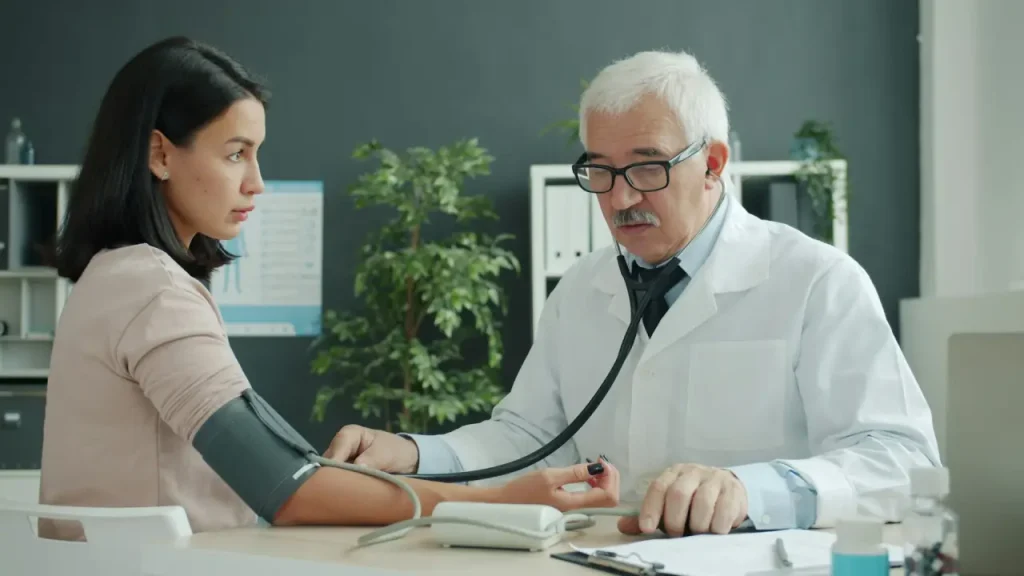
Managing blood glucose is only one part of diabetes care.
Type 2 diabetes can increase the risk of complications affecting areas such as the eyes, kidneys, nerves and cardiovascular system.
That is why regular monitoring and health checks matter even when you feel well.
People who achieve remission should also continue appropriate follow-up. Remission can change over time, and previous high blood glucose may already have affected health.
What Should You Do If You Think You Have Type 2 Diabetes?
Do not try to solve the problem with a strict diet, a supplement or an internet “blood sugar cure”.
Speak to your GP or another qualified healthcare professional.
A blood test can determine whether your glucose level is within the diabetes range and whether further assessment is needed.
The earlier type 2 diabetes is identified, the earlier you can begin managing it and reducing the risk of long-term complications.
The Bottom Line
Type 2 diabetes is a serious condition, but it is not a hopeless diagnosis.
There are effective ways to manage it, and for some people, substantial weight loss can lead to remission.
The most useful approach is not to search for a miracle treatment.
Instead:
Eat a balanced diet.
Move regularly.
Manage your weight where appropriate.
Take prescribed medication as directed.
Attend your health checks.
And get medical advice when something does not seem right.
Most importantly, do not let a diagnosis convince you that you have failed.
Type 2 diabetes develops through a combination of biological, genetic, environmental and behavioural factors. What matters now is what you can realistically do to look after your health from this point forward.
Recommended Further Reading:
- Balanced Diet: The Evidence-Based Guide to Healthy Eating
- Evidence-Based Weight Loss / Weight Management article
- Intermittent Fasting Facts
- How to Improve Eyesight and Protect Your Eye Health
Medical Disclaimer
This article is for general educational purposes and is not a substitute for personalised medical advice, diagnosis or treatment. If you think you may have diabetes, have been diagnosed with diabetes, or are considering changing your medication, diet or treatment plan, speak with an appropriately qualified healthcare professional.