
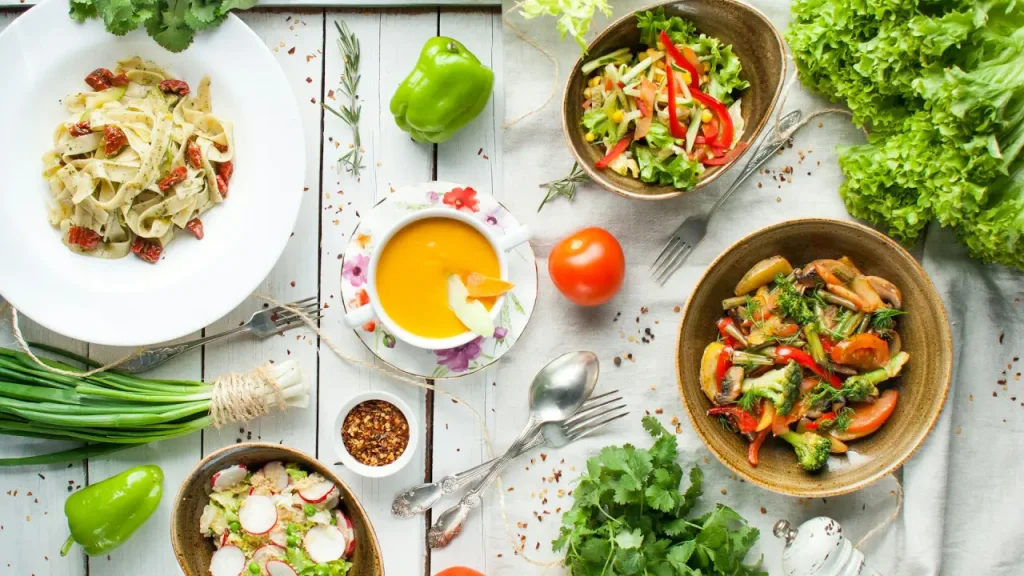
Vegetables do not need to be complicated.
You do not need a special diet, expensive ingredients or a refrigerator packed with unusual produce to eat more of them. In most cases, the easiest approach is simply to make vegetables a more regular part of the meals you already enjoy.
Vegetables provide fibre, vitamins, minerals and a wide range of other naturally occurring plant compounds. Eating a variety of vegetables also makes it easier to build a balanced diet without relying on one particular “superfood”.
Current guidance supports eating plenty of fruit and vegetables as part of a healthy diet. The World Health Organization recommends that adults and children over 10 aim for at least 400g of fruit and vegetables a day. The NHS uses the familiar target of at least 5 portions a day, with an adult portion of fresh, frozen or canned vegetables generally around 80g. WHO NHS
You do not have to hit a perfect number at every meal.
The useful goal is to make vegetables part of your normal routine.
Why Eat More Vegetables?
Vegetables can contribute several important things to your diet.
Fibre
Many vegetables provide dietary fibre, which helps support normal bowel function and can contribute to a satisfying diet.
Getting enough fibre is easier when your meals regularly include vegetables, fruit, pulses and whole grains rather than relying heavily on refined foods.
Vitamins and Minerals
Different vegetables provide different combinations of vitamins and minerals.
Leafy greens, peppers, tomatoes, carrots, broccoli, mushrooms, peas and many other vegetables can all contribute useful nutrients.
This is one reason variety matters more than searching for one supposedly perfect vegetable.
A Wider Range of Plant Foods
Vegetables contain many naturally occurring plant compounds. Different vegetables provide different combinations, so eating a mixture of colours, textures and types is a simple way to broaden your diet.
Filling Out Meals
Vegetables can add volume, texture and flavour without needing to turn every meal into a salad.
They can be roasted, steamed, stir-fried, baked, added to soups and stews, blended into sauces or simply served alongside the food you already enjoy.
How Many Vegetables Do You Need?
There is no requirement to make every meal perfectly balanced or to measure every vegetable you eat.
The NHS recommends at least 5 portions of fruit and vegetables a day. An adult portion of fresh, frozen or canned vegetables is generally 80g. The NHS also notes that fruit and vegetables can count when they are included as part of a mixed dish such as soup, stew or pasta.
The WHO recommends at least 400g of fruit and vegetables per day for people over 10.
These are useful benchmarks rather than a test you either pass or fail.
Some days will be better than others.
A much more practical question is:
How can I make vegetables easier to include regularly?
1. Add Vegetables to Breakfast
Breakfast is an easy meal to overlook.
You do not need to turn your morning meal into a plate of steamed broccoli. Start with foods that actually fit what you enjoy eating.
Try:
- spinach or mushrooms in an omelette
- tomatoes with eggs or wholegrain toast
- peppers, onions or courgette in a breakfast wrap
- leftover roasted vegetables alongside eggs
- grated carrot or courgette added to savoury breakfast dishes
Even a modest serving is useful.
The point is not to create an elaborate breakfast. It is to make vegetables part of the meal.
2. Make Lunch More Vegetable-Friendly
Lunch can often become a quick sandwich or whatever is easiest to grab.
That is fine occasionally, but there are simple ways to add vegetables without making lunch much harder.
Try:
- adding salad vegetables to sandwiches and wraps
- keeping chopped cucumber, tomatoes or peppers ready in the fridge
- adding a side salad to soup or a main meal
- choosing vegetable-based soups
- adding beans, lentils or chickpeas to salads and grain bowls
- adding leftover cooked vegetables to a wrap or lunchtime bowl
A useful trick is to add vegetables to the lunch you already eat rather than inventing a completely new meal.
3. Build Dinner Around a Protein, a Starchy Food and Vegetables
Dinner becomes easier when you stop thinking of vegetables as an optional decoration.
A simple meal might contain:
- a protein source
- a starchy carbohydrate such as potatoes, rice, pasta or whole grains
- one or more vegetables
For example, chicken with rice and broccoli, salmon with potatoes and peas, or beans with brown rice and peppers.
You can also add vegetables directly into the main dish.
Examples include:
- mushrooms and spinach in pasta
- peppers and onions in a stir-fry
- carrots and peas in a stew
- courgette and aubergine in a tomato-based sauce
- extra vegetables in a curry
There is no need for vegetables to sit sadly on the side of the plate.
4. Keep Frozen Vegetables in the Freezer
Frozen vegetables are one of the easiest ways to remove excuses.
They are convenient, require little preparation and can be available even when the fresh produce in your fridge has seen better days.
The NHS says frozen vegetables count towards your 5 A Day, just like fresh and canned vegetables. NHS
Useful freezer staples include:
- peas
- spinach
- broccoli
- mixed vegetables
- green beans
- cauliflower
- chopped peppers
A bag of frozen vegetables can turn a basic meal into a much more substantial one in minutes.
5. Use Canned Vegetables When They Make Life Easier
Canned vegetables can be just as practical.
Look for vegetables canned in water where possible, and check labels for added salt or sugar.
Canned tomatoes are particularly useful because they can become the base of sauces, soups, stews and curries.
Canned sweetcorn, peas and other vegetables can also make a quick meal easier to assemble.
There is no prize for making healthy eating unnecessarily difficult.
Both the NHS and WHO recognise fresh, frozen and canned vegetables as useful choices. NHS WHO
6. Try One New Vegetable at a Time
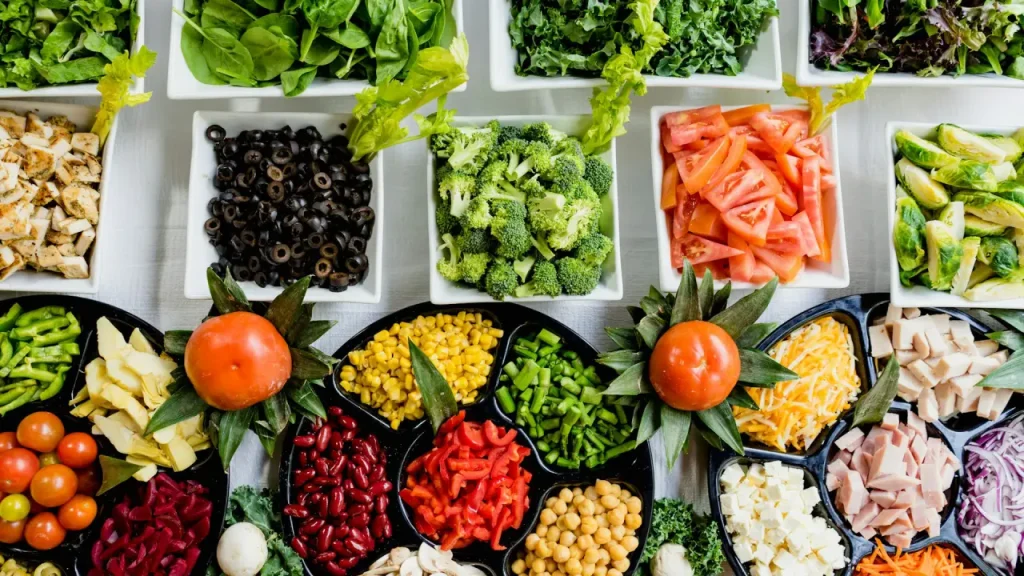
Variety does not mean filling your shopping trolley with twenty unfamiliar vegetables every weekend.
Pick one.
Try a vegetable you have never cooked before, or buy a different variety of something you already like.
You might discover that you prefer roasted cauliflower to boiled cauliflower, or that you actually enjoy mange tout, aubergine or pak choi when they are cooked in a way that suits you.
Taste changes too.
Foods that seem unfamiliar at first can become ordinary favourites once you have tried them a few times.
7. Change the Way You Cook Vegetables
A vegetable can taste completely different depending on how it is prepared.
Boiling is only one option.
Try:
- roasting with a little olive oil and seasoning
- steaming until just tender
- stir-frying quickly over high heat
- grilling or baking
- adding herbs, spices or garlic
- combining different textures in one dish
Roasting can bring out sweetness and improve the texture of vegetables such as carrots, peppers, cauliflower, courgettes and Brussels sprouts.
The lesson is simple:
If you dislike a vegetable prepared one way, you have not necessarily discovered that you dislike the vegetable.
You may just dislike that particular method of cooking it.
Make Vegetables Easy to See
Convenience matters.
Food that is visible and ready to use is generally easier to include in everyday meals than food that requires a major preparation project.
A few practical ideas:
- keep washed vegetables where you can see them
- prepare some salad vegetables in advance
- keep frozen vegetables near the front of the freezer
- buy vegetables you genuinely enjoy
- prepare larger batches of roasted vegetables
- add an extra vegetable whenever you are already cooking
This is not about willpower.
It is about designing your kitchen so the healthier choice is also an easy choice.
What About Potatoes?
Potatoes are nutritious and can certainly be part of a balanced diet.
However, the NHS does not count potatoes towards the 5 A Day because they are generally used as a starchy carbohydrate in meals rather than as part of the fruit-and-vegetable group. NHS
That does not make potatoes unhealthy.
It simply means they should be considered alongside foods such as bread, rice and pasta when thinking about the structure of a meal.
What About Vegetable Juice and Smoothies?
Juicing is not the same as eating whole vegetables.
The NHS advises limiting combined fruit juice, vegetable juice and smoothies to 150ml a day. These drinks can contain significant amounts of free sugars, and the process of crushing or juicing foods can make them less filling than eating whole produce. NHS
That does not mean smoothies or vegetable juice are forbidden.
It means they are better treated as a small part of your diet rather than the main way you get your vegetables.
Whole or minimally processed vegetables should do most of the work.
Do You Have to Eat Vegetables at Every Meal?
No.
The title of this article is really about building the habit of eating more vegetables, not creating another rigid food rule.
The NHS Eatwell Guide points out that you do not need to achieve the balance of the entire diet with every meal. The overall pattern across a day or even a week is what matters. NHS
For some people, vegetables at breakfast will feel natural.
For others, it will make more sense to have a substantial serving at lunch and dinner and fruit at breakfast.
There is room for flexibility.
A Simple “Add One” Strategy
You do not need to redesign your whole diet overnight.
Try this instead:
Add one vegetable to a meal you already eat.
If you normally have eggs, add spinach or tomatoes.
If you normally have pasta, add mushrooms, peppers or courgette.
If you normally eat a sandwich, add salad vegetables.
If you normally make a curry, add extra vegetables.
Once that feels normal, repeat the process.
Small changes can be much easier to maintain than an ambitious plan that lasts four days and then disappears into the cupboard with the spiraliser.
Fresh, Frozen or Canned?
The best choice is often the one you will actually use.
Fresh vegetables are excellent.
Frozen vegetables are convenient and can be an especially useful option when storage, cost or preparation time is a concern.
Canned vegetables can be equally practical, particularly when you choose versions without unnecessary added salt or sugar.
The NHS states that fresh, frozen and canned fruit and vegetables can all count towards 5 A Day, and WHO guidance also recognises fresh, frozen and canned produce as healthy choices when they do not contain excessive added sugar or sodium. NHS WHO
There is no reason to make healthy eating harder simply because the vegetables came from the freezer.
The Bigger Picture
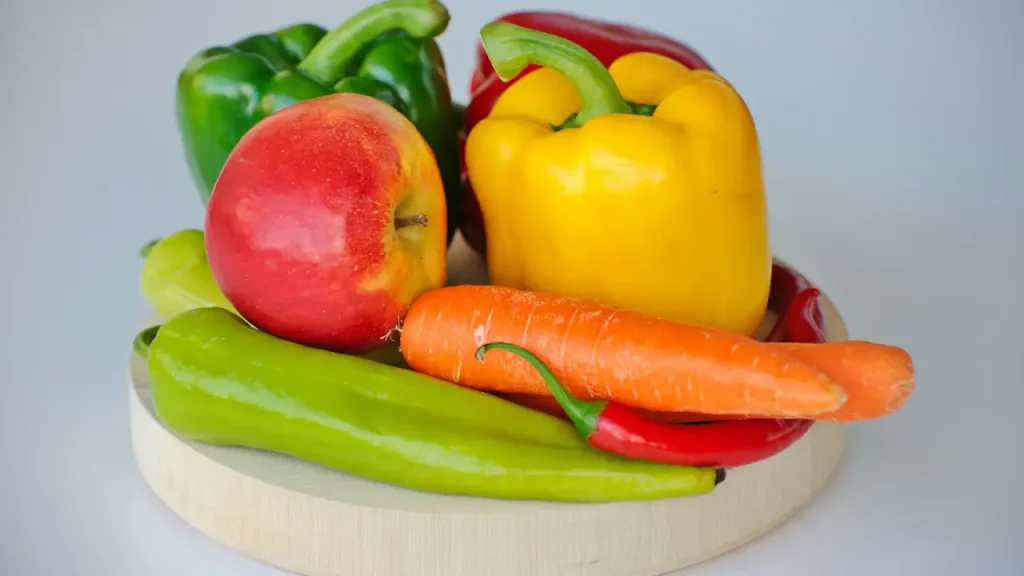
Eating more vegetables is useful, but vegetables do not have to carry the entire burden of healthy eating.
A balanced diet also needs a variety of other foods, including suitable sources of protein, whole grains or other carbohydrate foods, fruit, nuts and seeds, and appropriate sources of dietary fat.
This is why variety matters.
Our article Variety in a Healthy Diet: 7 Simple Ways to Eat More Variety explores the broader principle of regularly choosing different foods rather than relying on the same small group of favourites.
You can also see Balanced Diet: The Evidence Based Guide to Healthy Eating for a wider look at the foundations of a balanced eating pattern.
And for more practical nutrition ideas, 3 Nutrient Dense Foods: Healthy Choices for Your Diet looks at how simple foods can contribute useful nutrients without making meals complicated.
The aim is not to eat perfectly.
It is to make vegetables such a normal part of your meals that you barely have to think about them.
That is a much more useful habit than chasing the latest “superfood”.
Medical Disclaimer
This information is provided for general educational purposes only. It is not intended to diagnose, treat, cure or prevent any medical condition and should not be considered a substitute for advice from a qualified healthcare professional.
Nutritional needs vary from person to person. If you have a medical condition, food allergy, digestive disorder, or specific dietary requirement, speak with your doctor, dietitian or another appropriately qualified healthcare professional for individual advice.
Do not use this article as a substitute for individual medical assessment or professional guidance.