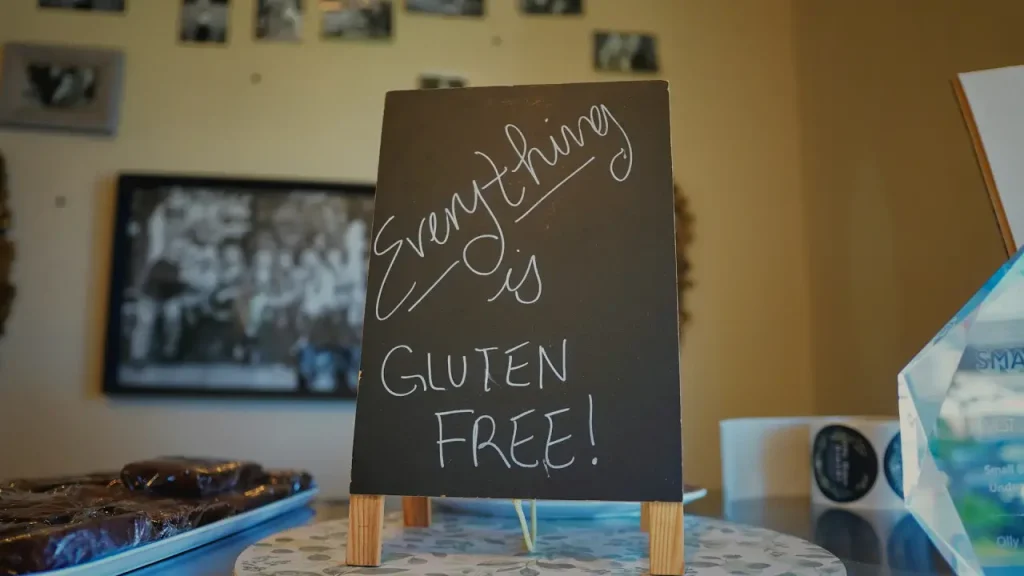
A gluten-free diet is essential for some people, but it is not automatically a healthier diet for everyone.
The most important distinction is between people who have coeliac disease, people with other possible reactions to wheat or gluten, and people who simply choose to avoid gluten.
If you think gluten may be causing your symptoms, do not automatically remove it before being tested for coeliac disease. NHS guidance says you should continue eating gluten while testing is carried out because avoiding it can make the results inaccurate.
For someone with confirmed coeliac disease, however, a strict lifelong gluten-free diet is the only treatment.
Important: This article provides general health information and is not a diagnosis or a personalised dietary plan.
What is gluten?
Gluten is a group of proteins found mainly in wheat, barley and rye. These grains are used in many everyday foods, including bread, pasta, cakes, biscuits, breakfast cereals and pastries. Gluten can also appear in some sauces, soups, stock cubes and processed foods.
Gluten is not harmful to everyone. For people with coeliac disease, eating gluten triggers an immune reaction that damages the small intestine and can interfere with nutrient absorption.
Who needs a gluten-free diet?
People with coeliac disease
People with confirmed coeliac disease need to avoid gluten for life. This is not a lifestyle preference. Gluten causes the immune reaction that damages the intestine, even when symptoms are mild or absent.
People with other reactions to wheat or gluten
Wheat allergy is different from coeliac disease. It is an allergic reaction and may cause symptoms such as hives, swelling, vomiting or breathing problems.
Some people report symptoms after eating gluten without having coeliac disease or a wheat allergy. This is sometimes described as non-coeliac gluten sensitivity. The diagnosis is more complicated and should be discussed with a healthcare professional rather than assumed from symptoms alone.
Do not go gluten-free before coeliac testing
If you suspect that gluten is causing symptoms, talk to your GP before removing gluten from your diet.
The NHS says you should continue eating gluten when the blood test is done because avoiding gluten can lead to an inaccurate result.
Some NHS diagnostic pathways advise continuing a gluten-containing diet for about six weeks before testing. Follow the specific instructions given by your healthcare professional.
What foods are naturally gluten-free?
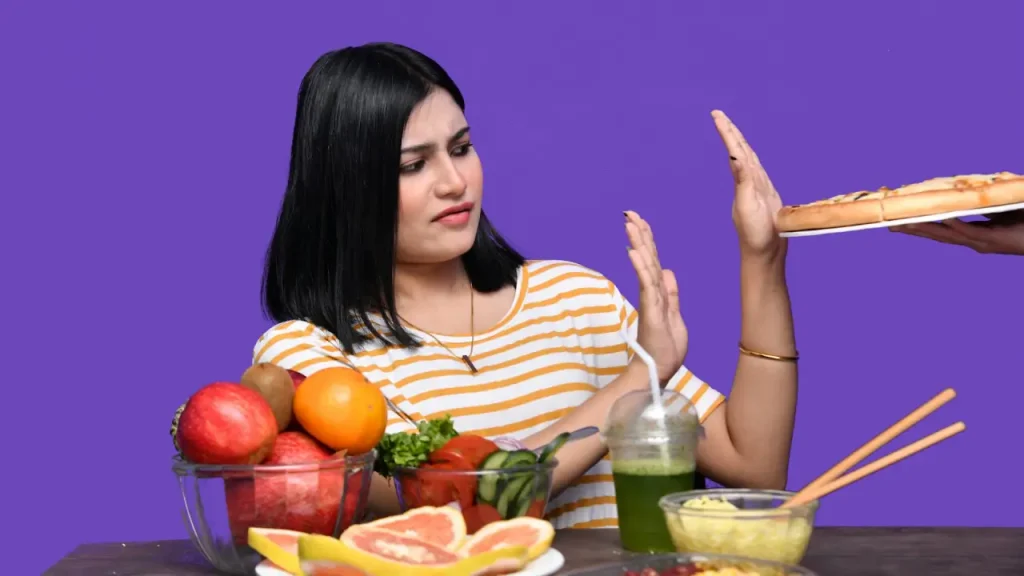
Many foods do not contain gluten naturally, including:
- fruit and vegetables
- meat and poultry
- fish and seafood
- eggs
- most milk, cheese and yoghurt
- potatoes
- rice
- beans, peas and lentils
- nuts and seeds
- many gluten-free grains
Coeliac UK lists meat, fish, fruit, vegetables, rice, potatoes and lentils among naturally gluten-free foods.
A gluten-free diet therefore does not have to mean living on expensive specialist products.
What foods commonly contain gluten?
For someone with coeliac disease, common sources include ordinary bread, conventional pasta, cakes and pastries, biscuits and crackers, many breakfast cereals, pizza, breadcrumb coatings, and some sauces, gravies, soups and processed foods.
Learn how to read food labels
If you need a strict gluten-free diet, label reading becomes an important everyday skill.
Look for foods clearly labelled gluten-free when appropriate, and learn which ingredients may come from wheat, barley or rye. Coeliac UK provides detailed guidance on reading labels and checking less obvious sources of gluten.
Cross-contamination matters
For people with coeliac disease, avoiding gluten is not just about choosing gluten-free ingredients. Gluten can be transferred accidentally from one food to another.
Examples include:
- crumbs left on shared butter or jam
- using the same toaster for ordinary and gluten-free bread
- flour residue on work surfaces
- shared cooking utensils
- frying gluten-free food in oil previously used for battered foods
Coeliac UK recommends practical steps such as keeping ingredients separate, cleaning surfaces and utensils, and using a separate toaster or toaster bags when necessary.
What about oats?
Pure oats do not contain gluten, but they can become contaminated with wheat, barley or rye during growing, harvesting or processing. Coeliac UK therefore recommends choosing oats labelled gluten-free for people with coeliac disease.
A small proportion of people with coeliac disease may also react to avenin, a protein in oats that is similar to gluten.

Is a gluten-free diet automatically healthier?
No.
A gluten-free label tells you that gluten has been excluded. It does not tell you that a product is low in sugar, low in saturated fat, high in fibre or nutritionally superior.
Some packaged gluten-free products can still be highly processed or high in sugar, salt or fat.
A healthy gluten-free diet should still be based on a wide variety of nutritious foods. Coeliac UK recommends maintaining a balanced diet with fruit and vegetables, fibre, suitable starchy foods and sensible amounts of fat, sugar and salt.
Common mistakes to avoid
Relying too heavily on gluten-free substitutes
Gluten-free bread, pasta, biscuits and other specialist products can make life easier, but they do not have to form the basis of every meal.
Build your diet around naturally gluten-free foods as well as suitable gluten-free alternatives.
Forgetting about fibre
Some people accidentally reduce their fibre intake after going gluten-free. Good gluten-free sources of fibre include vegetables, fruit, pulses, nuts, seeds, brown rice and suitable higher-fibre gluten-free breads and cereals.
Assuming symptoms always mean gluten
Bloating, diarrhoea, abdominal pain, tiredness and other symptoms can have many causes. Coeliac disease is one possibility, but it is not the only one.
Confusing gluten-free with wheat-free
A wheat-free diet and a gluten-free diet are not identical. Wheat allergy has different medical implications from coeliac disease.
Forgetting about cross-contamination when eating out
Ask restaurant staff about ingredients and preparation. Coeliac UK highlights shared frying oil and other cross-contamination risks when eating takeaway food.
What if you accidentally eat gluten?
If you have coeliac disease, accidental exposure can happen, especially when you are still learning the diet.
Coeliac UK says an occasional accidental exposure is unlikely to cause lasting gut damage, although it can trigger symptoms. The important thing is to return to your gluten-free routine and learn from what happened.
The bottom line
A gluten-free diet is essential for people with coeliac disease, but it is not automatically a healthier diet for everyone.
If you suspect you react to gluten, get appropriate medical advice before removing it, because being gluten-free can make coeliac testing inaccurate.
If you have confirmed coeliac disease, a strict lifelong gluten-free diet is the treatment. Focus on naturally gluten-free foods, learn to read labels, take cross-contamination seriously and make sure your diet remains balanced and high enough in fibre.
Know why you are avoiding gluten, then make the diet work for your health and your life.
Recommended Further Reading:
- How Can I Tell if I Am Gluten Intolerant? What to Check First
- The Gut Microbiome: What “Good” and “Bad” Bacteria Really Mean
- Special Nutritional Needs: When Your Diet May Need Extra Attention
- Common Food Allergies: What They Are, What to Watch For and What to Do
Medical Disclaimer
The information provided in this article is for general educational purposes only. It is not intended to diagnose, treat, cure or prevent coeliac disease, wheat allergy, gluten sensitivity or any other medical condition, and it should not be used as a substitute for professional medical advice, diagnosis or treatment.
If you suspect coeliac disease or another reaction to gluten or wheat, seek appropriate medical advice before starting a gluten-free diet. Removing gluten before coeliac testing can affect the accuracy of the tests.
People with confirmed coeliac disease need a strict gluten-free diet and may benefit from advice from a healthcare professional or dietitian.
Natural Health Kingdom does not accept responsibility for any loss or injury resulting from reliance on information contained in this article.