
Summer eating doesn’t have to mean living on salads or counting every calorie.
Warm weather can make lighter meals, fresh fruit, vegetables and simple snacks particularly appealing. It is also a good opportunity to take advantage of seasonal produce and make meals that require less cooking.
The basic principles of healthy eating do not change with the season. A balanced diet still means eating a variety of foods in sensible proportions, including fruit and vegetables, higher-fibre starchy foods, protein foods and suitable dairy or alternatives. The NHS Eatwell Guide also recommends drinking fluids regularly.
The trick is to make those principles work with the weather.
Why Summer Food Can Be Different
Hot weather often changes the way we eat.
You may naturally prefer a cold lunch to a heavy cooked meal, eat more fruit because it is readily available, or choose smaller meals throughout the day.
There is nothing wrong with that.
The aim is not to follow a special “summer diet”. It is to make sensible food choices that are enjoyable, practical and easy to maintain.
Summer is also a useful time to experiment with different foods. Seasonal produce can add variety, colour and flavour without requiring complicated recipes.
Make the Most of Seasonal Fruit and Vegetables
Summer offers plenty of fresh produce.
Depending on where you live and what is available, examples include:
- berries
- melons
- tomatoes
- cucumbers
- peppers
- green beans
- courgettes
- sweetcorn
- peaches
- nectarines
- plums
- apricots
- grapes
- figs
The exact season varies by country and growing conditions, but the principle is the same: use what is fresh, affordable and enjoyable where you live.
The American Heart Association lists berries, melons, cucumbers, tomatoes, peppers, green beans, summer squash and stone fruits among examples of summer produce.
Fresh produce is not the only option. Frozen and canned fruit and vegetables can also be useful. When choosing canned or frozen foods, check the label for added sugars, sodium and rich sauces.
Build a Better Summer Plate
A useful way to make summer meals satisfying is to combine several types of food rather than relying on one ingredient.
For example, a simple lunch could contain:
- a large serving of salad or cooked vegetables
- a source of protein such as beans, lentils, eggs, fish, chicken or tofu
- a higher-fibre carbohydrate such as potatoes, wholegrain bread, brown rice or wholegrain pasta
- a small amount of an unsaturated fat such as olive oil, nuts or seeds
- fruit or yoghurt if you want something afterwards
This approach gives you plenty of flexibility.
You can make the same basic meal in several different ways simply by changing the vegetables, herbs, spices, protein source or dressing.
That is much more sustainable than trying to follow a rigid summer menu.
Easy Summer Breakfast Ideas
Breakfast does not need to be complicated.
A few simple combinations include:
Greek-Style Yoghurt, Fruit and Oats
Combine plain yoghurt with berries, chopped peach or nectarine and a spoonful of oats.
Add a small amount of nuts or seeds if you enjoy them.
Eggs and Tomatoes on Wholegrain Toast
Scrambled, poached or boiled eggs work well with tomatoes and wholegrain toast.
Add spinach, mushrooms or peppers for extra vegetables.
Overnight Oats With Summer Fruit
Prepare oats with milk or a suitable alternative and leave them in the refrigerator overnight.
In the morning, add berries, grated apple, peach or other fruit.
The advantage is that breakfast is ready when you are.
Easy Summer Lunches
Lunch is where summer food can become particularly easy.
Big Mixed Salad With Protein
Start with salad leaves or other vegetables and add a useful source of protein.
Try:
- chickpeas and feta
- tuna and beans
- boiled eggs and potatoes
- chicken and sweetcorn
- tofu and edamame
A dressing made from olive oil, lemon juice, vinegar, herbs and seasoning can provide plenty of flavour without requiring a complicated sauce.
Wholegrain Wrap
Fill a wholegrain wrap with chicken, tuna, hummus, beans or another protein source.
Add plenty of salad vegetables such as peppers, cucumber, grated carrot and tomatoes.
Cold Potato Salad
Potatoes can make a very satisfying summer meal when combined with vegetables and protein.
Try cooked potatoes with green beans, tomatoes, spring onions and a boiled egg, tuna or beans.
Use a simple dressing based on yoghurt, lemon, mustard or olive oil rather than turning it into a bowl of mayonnaise.
Light Does Not Have to Mean Unsatisfying
One common mistake is assuming that healthy summer food should be tiny portions.
That can leave you hungry an hour later.
A better approach is to include foods that contribute protein, fibre and volume.
Vegetables can add plenty of volume to a meal. Beans, pulses, whole grains, potatoes, eggs, fish, dairy foods and suitable alternatives can make meals more satisfying.
Fruit can also be useful when you want something naturally sweet.
The goal is not to make every meal as low in calories as possible. It is to create meals that are nutritious, enjoyable and filling enough for you.
Healthy Summer Snacks
Summer snacks can be extremely simple.
Try:
- fresh fruit
- berries with plain yoghurt
- vegetable sticks with hummus
- a small handful of nuts
- boiled eggs
- wholegrain crackers with cottage cheese
- sliced apple with nut butter
- frozen berries blended with plain yoghurt
- cucumber and tomato with a simple dip
Keep portions appropriate to your appetite and the rest of your meals.
You also don’t need to snack just because food is available.
Sometimes thirst, boredom or habit can feel like hunger.
Hydration Matters in Warm Weather
Food is only part of staying well in summer.
Regular fluid intake becomes especially important during hot weather because dehydration and overheating are genuine health risks. The NHS recommends drinking fluids regularly and advises extra care during heatwaves, particularly for people more vulnerable to heat-related illness.
For everyday healthy eating, the NHS says that people should generally drink 6 to 8 glasses or cups of fluid a day, although needs can vary.
Water is an obvious choice, but other drinks can also contribute to fluid intake.
You can also get some water from foods. Fruits and vegetables such as watermelon, melon, cucumber, tomatoes, peaches and courgettes contain a lot of water. They can contribute to hydration, although water-rich foods should complement rather than replace your usual fluid intake.
During genuinely hot weather, don’t wait until you feel unwell to pay attention to fluids. The NHS advises drinking cold drinks regularly and taking sensible steps to stay cool when temperatures are high.
Be Careful With Sugary Summer Drinks
Cold drinks can be refreshing, but some contain far more sugar than you might expect.
Soft drinks, sweetened iced coffees, flavoured drinks and cocktails can add a lot of sugar without making you particularly full.
That does not mean you can never enjoy them.
It simply makes sense for most everyday drinks to fit comfortably within your overall diet.
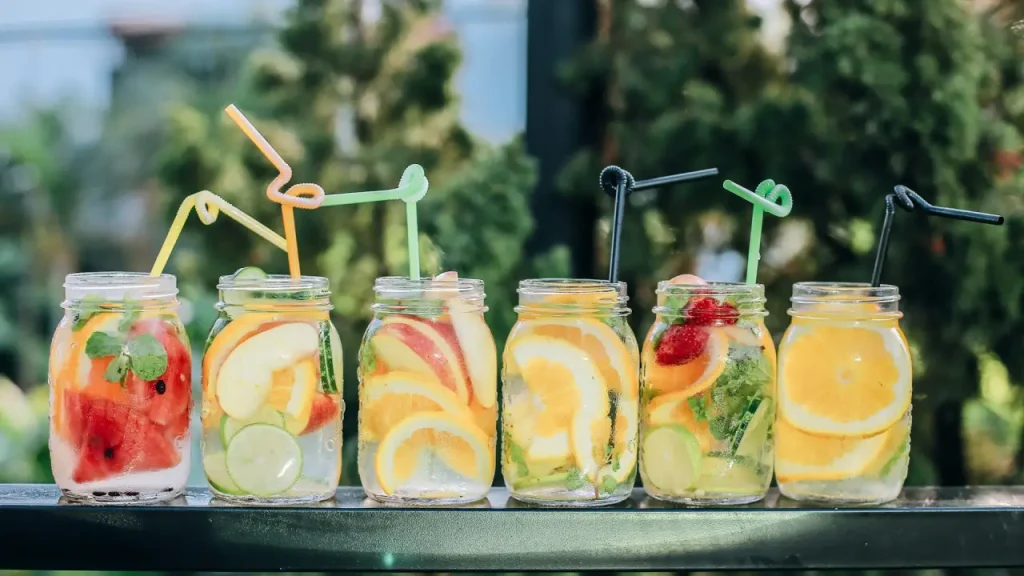
A useful alternative is sparkling or still water flavoured with:
- lemon or lime
- fresh mint
- cucumber
- berries
- sliced orange
- frozen fruit
You can also make a simple fruit-and-mint cooler by blending fresh or frozen fruit with water, ice and a little lime juice.
A Simple Mango and Mint Cooler
The original version of this article included a mango margarita. The underlying idea is worth keeping, but a non-alcoholic version makes a much more useful everyday summer recipe.
Ingredients
- 150g frozen or fresh mango
- 250ml cold water
- Juice of 1/2 lime
- A few fresh mint leaves
- Ice, if desired
Method
Blend the mango, water, lime juice and mint until smooth.
Add more water if you prefer a lighter drink.
Serve over ice.
You can also leave the mixture unblended and use chopped mango, mint and lime in sparkling water.
This is a refreshing option, but remember that fruit-based drinks can still contribute natural sugars and calories. Eating whole fruit is another simple option.
Easy Summer Dinners
Summer dinners don’t have to involve hours in the kitchen.
Grilled Fish With New Potatoes and Salad
Cook a portion of fish and serve it with boiled new potatoes and a large mixed salad.
Add lemon, herbs and a little olive oil for flavour.
Chicken and Vegetable Skewers
Thread pieces of chicken, pepper, onion, courgette and other vegetables onto skewers.
Serve with wholegrain bread, potatoes, rice or another carbohydrate source.
Bean and Tomato Bowl
Combine beans with tomatoes, cucumber, peppers, herbs and a wholegrain carbohydrate such as brown rice or wholegrain bread.
Add a yoghurt or olive-oil-based dressing.
Quick Vegetable Omelette
Eggs are useful when you want a quick meal.
Add mushrooms, spinach, tomatoes, peppers or leftover cooked vegetables.
Serve with wholegrain toast and fruit.
Make Summer Cooking Easier
You do not have to cook from scratch three times a day.
A little preparation can make healthy summer food much easier.
For example, you could:
- cook a batch of potatoes or whole grains
- wash and chop vegetables
- keep boiled eggs in the refrigerator
- make a simple hummus or yoghurt dressing
- cook extra chicken, fish or beans for another meal
- keep frozen berries and vegetables available
- portion nuts and seeds so they are easy to use
- keep fruit where you can see it
This is particularly useful on hot days when you do not want to spend a long time in the kitchen.
Fresh, Frozen or Canned?
Don’t fall into the trap of thinking healthy eating requires everything to be fresh.
Frozen vegetables can be extremely convenient and can help reduce food waste.
Canned beans and pulses are also practical. Choose versions with little or no added salt where possible, and rinse canned beans if appropriate.
For canned fruit, options packed in water or their own juice are generally more useful everyday choices than products heavily surrounded by syrup.
The important thing is whether the food works well within your overall diet.
Food Safety Matters More in Summer
Warm weather also makes food storage more important.
Don’t leave perishable foods sitting out in the heat for long periods. Pay attention to refrigeration, use-by dates and safe handling, particularly when preparing food for picnics, barbecues or outdoor gatherings.
Keep chilled foods cold and avoid leaving meat, fish, dairy products and other perishable foods exposed to high temperatures for extended periods.
When in doubt, follow the food-safety instructions on the packaging and guidance from your local food-safety authority.
You Do Not Need a Special Summer Diet
No magic list of foods makes a diet healthy simply because the weather is warm.
The bigger picture matters more.
A balanced eating pattern can include fresh seasonal produce, frozen vegetables, canned pulses, whole grains, fish, eggs, meat, dairy or alternatives, nuts, seeds and plenty of variety.
Some days your meals may be cold.
Other days you may want something cooked.
Either approach is fine.
The aim is to create a way of eating that is nutritious enough, enjoyable enough and practical enough to keep doing.
The Bigger Picture
Healthy summer food is really just healthy food adapted to the season.
Use the produce you enjoy. Make meals colourful and varied. Include useful sources of protein and fibre. Choose satisfying portions rather than trying to make every meal as small as possible.
Stay aware of hydration when the weather is hot, and be sensible about food storage and preparation.
Our Balanced Diet: The Evidence Based Guide to Healthy Eating explains the wider principles behind building a healthy eating pattern.
For more practical ideas about increasing the amount of vegetables you eat, see Eat More Vegetables: Simple Way to Add Veggies to Every Meal.
You can also read Variety in a Healthy Diet: 7 Simple Ways to Eat More Variety for practical ways to broaden the foods you eat.
Medical Disclaimer
This information is provided for general educational purposes only. It is not intended to diagnose, treat, cure or prevent any medical condition and should not be considered a substitute for advice from a qualified healthcare professional.
Nutritional needs vary between people. People with a medical condition, significant dietary restriction, food allergy or other specific nutritional requirement should seek appropriate individual advice from a doctor or registered dietitian.
During periods of very hot weather, some people are more vulnerable to heat-related illness, including older adults, babies and young children, pregnant people and people with certain long-term conditions. Seek appropriate medical advice if you have concerns about hydration, heat-related illness or your individual dietary needs.
Do not use this article as a substitute for individual medical assessment or professional guidance.
Sources
- NHS — Eating a balanced diet
- NHS — Heatwave: how to cope in hot weather
- American Heart Association — Seasons of Eating
- American Heart Association — Fresh, Frozen or Canned Fruit and Vegetables
- American Heart Association — Beat the heat with hydrating foods this summer