

Home remedies can be useful for minor, short-lived problems. A warm drink for a sore throat, rest after a tiring day, or simple measures for mild constipation may be all you need.
But there is an important line between sensible self-care and trying to treat something at home that really needs professional attention.
Knowing where that line is can help you avoid unnecessary treatment, get advice sooner when you need it, and avoid allowing a serious problem to go unchecked.
Important: This article provides general health information and is not a diagnosis or a substitute for professional medical advice. If you are seriously unwell or your symptoms are severe, seek appropriate medical help.
What does self-care actually mean?
Self-care does not mean refusing medical treatment.
It means taking sensible steps to manage a minor illness or symptom yourself when it is appropriate and safe to do so.
That might include:
- getting enough rest
- drinking enough fluids
- eating normally or adjusting your diet temporarily according to your symptoms
- using an appropriate over-the-counter medicine
- following advice from a pharmacist
- monitoring your symptoms to see whether they improve
The key word is minor. Self-care is most appropriate when the problem is mild, familiar, and not accompanied by warning signs.
When is a home remedy reasonable?
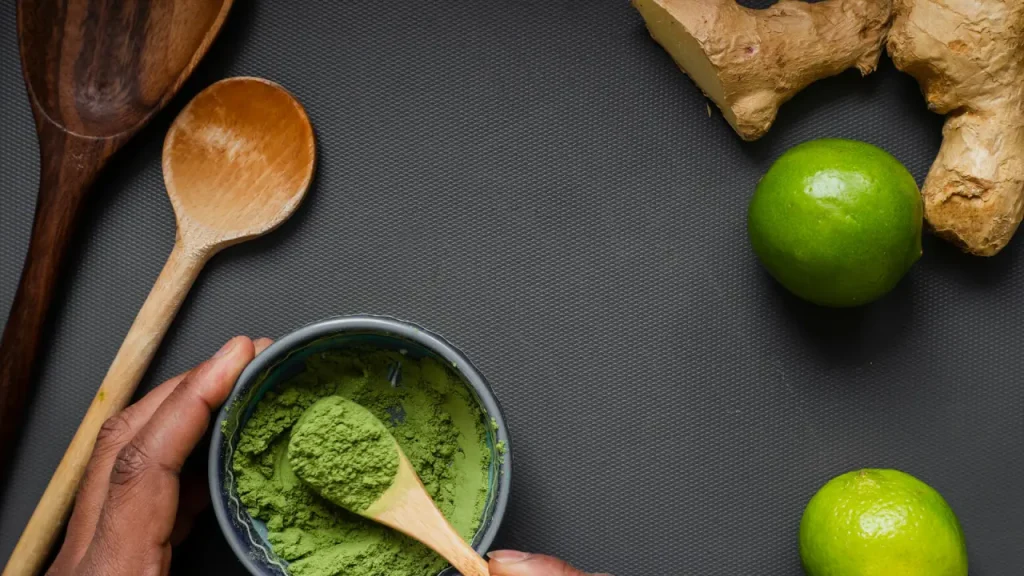
A home remedy may be reasonable when:
- symptoms are mild
- you have had the same type of problem before and know what it is
- there are no worrying or unusual symptoms
- you are otherwise reasonably well
- the problem is expected to improve with time and simple care
Examples might include a mild cold, a minor headache, temporary constipation, uncomplicated heartburn or a small bruise.
That does not mean every symptom in these categories should automatically be treated at home. The severity, duration and circumstances matter.
When should you ask a pharmacist?
A pharmacist is often an excellent first source of professional advice for a minor illness.
Pharmacists can advise about many common conditions, recommend suitable treatments and explain how to use medicines safely. They can also recognise when your symptoms need assessment by another healthcare professional. The NHS notes that pharmacists can give advice on a range of illnesses and medicines and can refer you to a GP or other professional when they cannot safely manage the problem themselves. [NHS: How pharmacies can help]
Consider speaking to a pharmacist when:
- you are unsure which over-the-counter treatment is appropriate
- you take regular medicines and want to check for interactions
- you are pregnant or breastfeeding and need advice about a medicine
- you are treating a child or older person
- symptoms are not improving as expected
- you are uncertain whether self-care is appropriate
In England, the Pharmacy First service also allows participating community pharmacies to assess and treat certain common conditions under defined clinical pathways. The exact services available vary by country and local healthcare system.
When should you contact a GP or doctor?
Home treatment becomes less appropriate when symptoms are persistent, recurrent, worsening or unexplained.
Speak to a doctor if:
- symptoms are not improving when you would normally expect them to
- symptoms keep returning
- the problem is interfering with normal daily activities
- you have unexplained weight loss
- you develop persistent or significant pain
- you have repeated vomiting or diarrhoea
- you notice unexplained bleeding
- an apparently minor problem is becoming progressively worse
- you have an underlying medical condition that could make the problem more serious
- you are worried about the symptoms
You do not need to wait until a problem becomes severe before asking for professional advice.
When is urgent help appropriate?
Some symptoms should not be managed with a home remedy at all.
Seek urgent medical advice when you have symptoms that are severe, rapidly worsening or potentially indicate a serious illness.
Depending on the situation, this may mean contacting an urgent-care service, an out-of-hours doctor, or another appropriate medical service.
In England, NHS 111 can help if you need medical help urgently but it is not a life-threatening emergency. It can direct you to the most appropriate service, including an urgent treatment centre, GP, pharmacist or emergency department.
When is it an emergency?
Call your local emergency medical service when you believe someone’s life may be at risk.
Examples include severe difficulty breathing, loss of consciousness, symptoms of a heart attack or stroke, severe allergic reaction, or other sudden life-threatening symptoms.
Do not delay emergency treatment because you want to try a natural remedy first.
The emergency number differs between countries, so use the emergency service appropriate to your location.
The problem with the phrase “natural remedy”
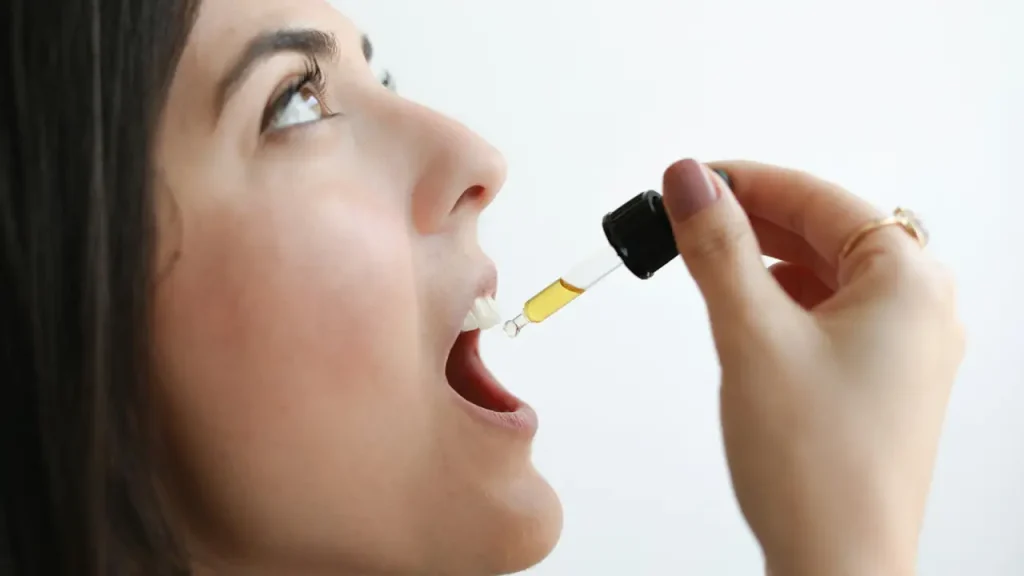
The word natural can create a false impression that something is automatically gentle, safe or effective.
It isn’t.
Natural products can cause side effects, interact with medicines, be unsuitable during pregnancy, or be dangerous at the wrong dose.
Some products also have much less evidence behind them than conventional treatments.
There is nothing wrong with choosing a simple, non-drug approach when it is safe and sensible. The mistake is assuming that a natural remedy is preferable simply because it is natural.
A home remedy should never delay proper treatment
This is one of the most important rules.
If a symptom could indicate a serious problem, the priority is assessment, not experimentation.
For example, severe abdominal pain should not be repeatedly treated as “indigestion”, and a changing skin mark should not simply be treated as an age spot. A persistent cough should not automatically be assumed to be an ordinary cold, particularly if there are other concerning symptoms.
A home remedy may sometimes make a symptom feel better without addressing the underlying cause.
Feeling better is not always the same as being better.
Be careful with over-the-counter medicines too
Self-care does not mean that every non-prescription medicine is automatically suitable.
Read the label and follow the recommended dose. Check whether a product contains an ingredient you are already taking in another medicine.
Ask a pharmacist for advice if you have a long-term health condition, take several medicines, are pregnant or breastfeeding, or are choosing a medicine for a child or older person.
A simple self-care decision guide
Before reaching for a home remedy, ask yourself five questions:
Is it mild?
If the symptom is mild and you otherwise feel well, self-care may be reasonable.
Is it familiar?
If you have experienced the same minor problem before and know what normally helps, home treatment may make sense.
Is it improving?
A minor illness should generally start moving in the right direction. If it is getting worse or refusing to settle, reassess the situation.
Are there warning signs?
Severe pain, breathing difficulty, fainting, significant bleeding, confusion or other alarming symptoms require medical attention rather than home treatment.
Could the treatment itself cause harm?
Check medicines, supplements and herbal products carefully, particularly if you take prescription medicines or have an existing health condition.
What if you are simply unsure?
You do not have to work out the answer alone.
A pharmacist is often an appropriate first stop for a minor illness, while a doctor can assess symptoms that are persistent, recurrent, complex or unexplained.
In England, NHS 111 can help people decide what level of care they need. The service may recommend self-care, a pharmacist, a GP, an urgent treatment centre or emergency care depending on the symptoms.
Asking for advice is not an admission that you have done something wrong. It is part of sensible self-care.
Home remedies have a place
There is nothing inherently wrong with a traditional remedy or simple home treatment.
Rest, fluids, warmth, appropriate food choices and other straightforward measures can be perfectly sensible for minor problems.
The important distinction is between using a home remedy as sensible self-care and using one instead of getting medical help when medical help is needed.
That distinction matters far more than whether the remedy comes from a kitchen cupboard, a pharmacy shelf or a prescription.
The bottom line
Home remedies can have a useful place in everyday health care, particularly for mild and short-lived problems.
But self-care works best when it comes with good judgement.
Use simple measures when the problem is minor. Ask a pharmacist when you need help choosing a treatment or are unsure whether self-care is appropriate. Contact a doctor when symptoms persist, recur, worsen or are unexplained. Seek urgent or emergency care when warning signs suggest that something more serious may be happening.
Recommended Further Reading:
- Insomnia: What Helps, What Doesn’t and When to Get Help
- Stomach Ache: Common Causes, What You Can Do and When to Seek Help
- Snoring: Causes, What Helps and When It Could Be Sleep Apnoea
The best home remedy sometimes is
knowing when not to use one.
Medical Disclaimer
The information provided in this article is for general educational purposes only. It is not intended to diagnose, treat, cure or prevent any disease or medical condition, and it should not be used as a substitute for professional medical advice, diagnosis or treatment.
Health symptoms can have many different causes. If your symptoms are severe, persistent, worsening, unusual for you or otherwise concerning, seek advice from a qualified healthcare professional.
Do not delay urgent or emergency medical care because of information read on Natural Health Kingdom.
Natural Health Kingdom does not accept responsibility for any loss or injury resulting from reliance on information contained in this article.