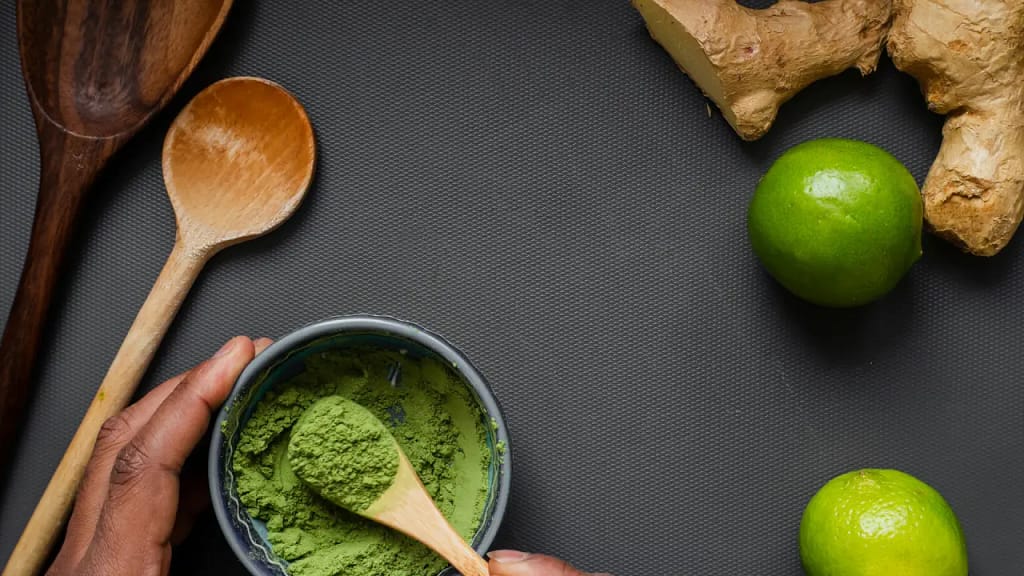
There’s a quiet wisdom in reaching for home remedies first. A cup of honey and lemon for a scratchy throat, a warm compress for an ache, a little ginger for a queasy stomach – these are the small, gentle things people have leaned on for generations, long before the chemist was a five-minute drive away. Used well, they’re wonderful: kind to the body, easy on the purse, and often all you need.
But here’s the honest truth, and it matters more than anything else in this article: a home remedy is the right first step for a minor problem, and completely the wrong one for a serious one. Knowing the difference isn’t about medical knowledge – it’s about good sense. Let me help you sharpen it.
What home remedies are genuinely good for
Home remedies come into their own with the everyday, minor complaints – the sort of thing that’s uncomfortable rather than worrying, and that would very likely settle on its own given a little time and care. Think:
- A mild cold, a stuffy nose, or a tickly cough
- A minor headache
- A small graze, a bruise, or dry, irritated skin
- An upset stomach after something you ate
- Trouble winding down at the end of the day
For these, a natural approach isn’t just acceptable – it’s often the sensible choice. You avoid unnecessary medicines, you tend to yourself in the comfort of your own home, and you catch things early, at the first sign of feeling off, rather than waiting until you’re properly unwell.
There’s a gentleness to this way of living that I’ve always valued. Reaching first for something natural, something you understand, before anything stronger – it keeps you in tune with your own body.
When it’s time to see a professional – no hesitation

This is the part to take seriously. Some things are simply beyond the reach of a home remedy, and trying to “wait it out” or self-treat can turn a manageable problem into a dangerous one. Please see a doctor, pharmacist, or other professional – promptly – if you notice any of the following:
If you’re ever unsure which side of the line something falls on, treat that uncertainty itself as your answer: when in doubt, get it checked. A quick call to a pharmacist or doctor costs you little, and there is no prize for bravery when it comes to your health.
How to judge your own situation
The most useful thing I can pass on is this: don’t decide by comparing yourself to someone else. Your neighbour’s remedy for their bad back tells you nothing about the twinge in yours. Judge your own situation, on its own terms, by asking three simple questions:
- How serious does this feel? Minor and familiar, or severe and unusual?
- Is it getting better, staying the same, or getting worse? Improvement is reassuring; steady worsening is a signal to seek help.
- Who is it affecting? A healthy adult has more room to wait and watch than a child, or someone already unwell.
Answer those honestly and you’ll rarely go far wrong. A minor, improving complaint in an otherwise well person is exactly what home remedies are for. Anything severe, worsening, or affecting the vulnerable belongs with a professional.
The best of both, not one against the other
I’ve called this “home remedies versus professional treatment,” but really it isn’t a contest – and thinking of it as one does you a disservice. The two work best hand in hand.
Home remedies give you a kind, natural, low-cost first response for the small things, and a way of caring for yourself day to day. Professionals are there for the moments that need a trained eye, proper equipment, and expertise you and I simply don’t have. The wise approach is to use each for what it does best: gentle, natural care for the minor and everyday, and prompt professional help the moment anything feels beyond it.
Look after the small things well, know your limits clearly, and never let saving a little money or trouble come before your own safety. That balance – natural where you can, professional where you must – is, to my mind, the healthiest way of all.
Warm wishes, Isobel.
This article is for general information and encouragement only. It is not medical advice and should never replace guidance from a qualified healthcare professional. If you have a health concern, or you’re unsure whether something needs attention, please speak to your doctor or pharmacist.