

Variety in a Healthy Diet: 7 Easy Methods to Introduce More Variety
Eating the same few foods every day can be convenient, but a healthy diet does not need to be repetitive.Variety in a healthy diet helps you obtain a wider range of nutrients and makes eating well more interesting and easier to maintain.
Eating a variety of foods helps you obtain a wider range of nutrients and makes a balanced diet more interesting and easier to maintain. Variety does not mean that every meal has to contain dozens of ingredients. It simply means regularly choosing different foods within and across the main food groups.
The NHS Eatwell Guide recommends choosing a variety of foods from the main food groups to help provide the wide range of nutrients your body needs. The World Health Organization also identifies diversity as one of the core principles of a healthy diet. (NHS; WHO)
The good news is that increasing variety does not require a complicated diet. A few simple changes can make your meals much more interesting.
What Does Variety Mean in Your Diet?
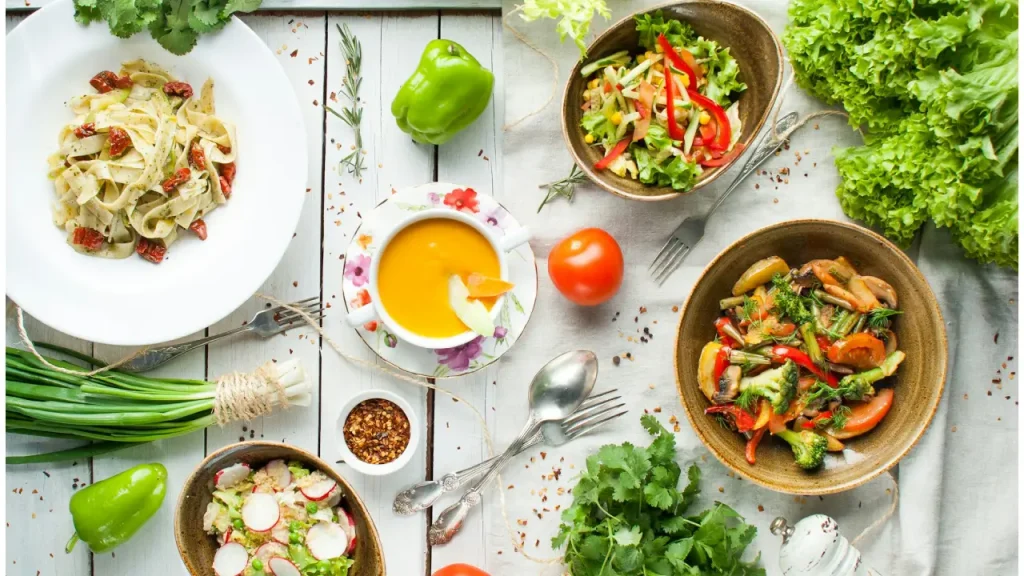
Variety in a healthy diet means eating different foods rather than relying heavily on a small number of favourites.
That could mean choosing several different vegetables during the week, rotating between fish, eggs, beans and other protein foods, or switching between oats, potatoes, rice and wholegrain bread as different sources of carbohydrates.
Variety also includes choosing different colours, textures, flavours and cooking methods.
You do not need to make every meal perfectly balanced on its own. The NHS notes that the overall balance of your diet matters across a day or even a week. (NHS)
The aim is to create a pattern of eating that gives you plenty of nutritious choices without making food unnecessarily complicated.
1. Eat Vegetables and Fruit in Different Colours
Colour is an easy way to remind yourself not to eat exactly the same produce every day.
Instead of buying only one or two vegetables, try choosing a mixture of green, red, orange, yellow, purple and white produce.
For example, your shopping basket might include:
- spinach or broccoli
- carrots or sweet potatoes
- tomatoes or red peppers
- red or purple cabbage
- cauliflower or mushrooms
- berries, apples, oranges or kiwi fruit
Different foods contain different combinations of vitamins, minerals, fibre and other naturally occurring compounds.
You do not need to chase particular colours as though each one has a special health property. The useful principle is simply to include a range of different vegetables and fruit.
Fresh produce is not the only option. Frozen and canned vegetables and fruit can also be useful choices, depending on the product. (WHO)
2. Try One New Fruit or Vegetable Each Week
A very easy way to introduce variety is to buy one food you have never tried before.
You might choose a vegetable that you normally walk past in the supermarket, or pick a fruit that you have never tasted.
You do not have to make an elaborate recipe.
Roast the vegetable, steam it, add it to a soup, or serve it alongside a meal you already know you enjoy. Try the fruit with breakfast or as a simple snack.
Some foods become familiar favourites only because we give ourselves the chance to try them more than once.
The important point is not to turn this into a challenge you have to complete perfectly. Think of it as a way of gradually expanding your normal range of foods.
3. Vary Your Sources of Protein

Protein does not have to come from the same food every day.
Depending on your preferences and dietary needs, you can rotate between foods such as:
- beans and lentils
- chickpeas
- eggs
- fish
- poultry
- lean meat
- tofu or other plant-based protein foods
- dairy products and suitable alternatives
Beans, peas and lentils are particularly useful because they can provide protein and fibre as well as a range of vitamins and minerals. The NHS includes pulses among the protein foods that can form part of a healthy, balanced diet. (NHS)
Changing your protein sources can make meals more varied while also helping you discover foods that suit your budget, preferences and cooking style.
4. Explore Different Cuisines
One of the easiest ways to introduce variety is to borrow ideas from different food traditions.
You might try a simple Mediterranean-style meal one day, a bean-based chilli another day, or a Japanese-inspired bowl built around rice, vegetables and fish or tofu.
The aim is not to label one cuisine as healthier than all the others.
Different cuisines use different combinations of vegetables, grains, pulses, herbs, spices, fish, meat and other ingredients. Exploring them can encourage you to use foods that might otherwise never appear in your kitchen.
It can also make healthy eating much more enjoyable.
5. Experiment With New Recipes
If your usual meals have become repetitive, changing the recipe can be enough to make familiar ingredients feel completely different.
For example, vegetables can be:
- roasted
- steamed
- stir-fried
- added to soups
- used in curries
- included in salads
- cooked into pasta or grain dishes
You can do the same with pulses, potatoes, fish, eggs and other staples.
Keep a list of recipes you enjoy and add to it whenever you find a new favourite.
That gives you a ready-made collection of meals to draw from when you are short of ideas.
6. Change the Foods You Buy With the Seasons
Seasonal variety can make eating well feel less repetitive.
Different fruits and vegetables become more readily available at different times of year, and using them can naturally change what appears on your plate.
In winter, you might use more roots, brassicas, soups and stews. In warmer months, salads, berries, tomatoes and other fresh produce may become more appealing.
You do not have to eat only locally grown seasonal food. The point is simply to use the seasons as an opportunity to try different ingredients.
Frozen and canned produce can also help you maintain variety throughout the year.
7. Build Variety Into Your Normal Shopping Routine
Variety becomes much easier when you make it part of the way you shop.
Instead of buying exactly the same fruit, vegetables and protein foods every week, make a simple rule for yourself.
For example:
Choose three vegetables, two fruits and one new food every week.
Another week, change the choices.
You can also keep a few versatile ingredients available in the cupboard or freezer, such as beans, lentils, frozen vegetables, canned tomatoes, whole grains and herbs or spices.
That makes it easier to put together different meals without needing to buy a completely different shopping list every time.
Variety Does Not Mean Perfection
There is no prize for eating the greatest possible number of different foods.
Variety should make a healthy diet more useful and enjoyable, not turn food into another source of stress.
Some people have dietary restrictions, allergies, medical conditions or personal preferences that limit the foods they can eat. A varied diet looks different from one person to another.
The bigger picture matters more than any individual meal.
The NHS recommends eating a wide variety of foods in appropriate proportions, including fruit and vegetables, higher-fibre starchy foods, protein foods, dairy or suitable alternatives, and small amounts of unsaturated oils and spreads. Foods high in fat, salt and sugar are best eaten less often and in smaller amounts. (NHS)
A Simple Way to Start Today
You do not need to overhaul your diet.
At your next meal, make just one change.
Add a different vegetable. Try another source of protein. Swap one familiar carbohydrate for another. Use a new herb or spice. Or cook a familiar ingredient in a completely different way.
Then do it again tomorrow.
Over time, those small decisions can give you a much wider range of foods without requiring a complicated meal plan.
The Bigger Picture
A healthy diet is not built around one perfect food.
It is built from a pattern of different foods that, taken together, provide the energy and nutrients your body needs.
That is why variety in a healthy diet matters.
The goal is not to make every meal exciting or to buy dozens of unusual ingredients. It is simply to avoid letting your diet become so narrow that you miss out on the benefits of eating a broad range of nutritious foods.
Eat well, enjoy your food and give yourself permission to try something different.
For the wider principles of healthy eating, see our Balanced Diet: The Evidence Based Guide to Healthy Eating.
Medical Disclaimer
This information is provided for general educational purposes only. It is not intended to diagnose, treat, cure or prevent any medical condition and should not be considered a substitute for advice from a qualified healthcare professional.
Nutritional needs vary from person to person. If you have a medical condition, food allergy, are taking medication, are pregnant, or have specific dietary requirements, speak with your doctor or a registered dietitian before making significant changes to your diet.
Do not rely on this article as a substitute for individual medical assessment or professional guidance.