
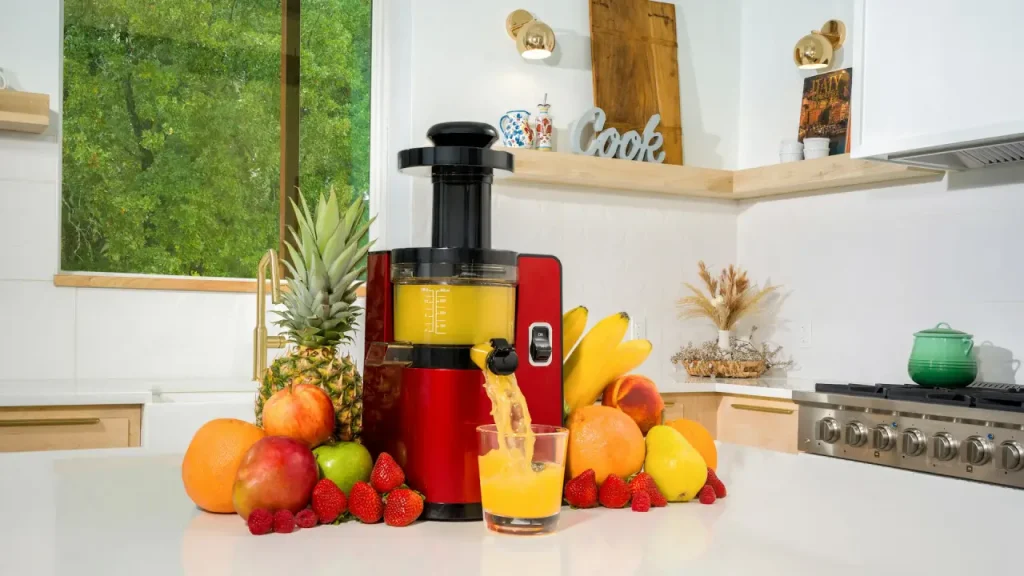
Juicing for Weight Loss is often marketed as an easy way to lose weight.
The idea sounds attractive: fill a glass with fruit and vegetables, drink it instead of a meal or snack, and watch the pounds disappear.
The reality is less exciting.
Juicing can be one way to consume fruit and vegetables, but drinking juice is not a magic weight-loss method. For weight loss, the bigger issue is your overall food and drink intake, the number of calories you consume, your activity level and whether the eating pattern is sustainable.
The NHS advises limiting fruit juice and smoothies to a combined total of 150ml a day because they contain free sugars and don’t provide the same fullness as whole fruit. NHS: 5 A Day
That does not mean juice is “bad”.
It means it is worth understanding what happens when fruit and vegetables become a drink, particularly when your goal is weight loss.
Can Juicing Help You Lose Weight?
Juicing can contribute to weight loss if it forms part of an overall eating pattern that reduces your total calorie intake.
But the juice itself does not have a special fat-burning effect.
The basic principle of weight loss is energy balance. When you consistently consume fewer calories than your body uses, you can lose weight. The NHS and US National Institute of Diabetes and Digestive and Kidney Diseases both emphasise reducing overall calorie intake as part of weight management. NHS: Calories and weight loss NIDDK: Eating & Physical Activity to Lose or Maintain Weight
So if replacing a high-calorie snack with a small amount of unsweetened juice lowers your overall intake, that change could contribute to weight loss.
If you add a large glass of juice to your existing diet, however, you have added calories rather than removed them.
That distinction is important.
Why Juice Is Different From Whole Fruit
Whole fruit contains water, naturally occurring sugars and fibre within the structure of the food.
Juicing removes much of the solid material, particularly the fibre that would otherwise help make the food more filling.
The NHS specifically notes that fruit juice and smoothies do not fill you up in the same way as whole fruit and recommends limiting them to 150ml a day. NHS: Healthy eating when trying to lose weight
That makes whole fruit a particularly useful choice when weight loss is your goal.
An apple is a food you have to eat.
Apple juice is a drink that is much easier to consume quickly.
Does Fruit Juice Cause Weight Gain?
The evidence is more nuanced than saying that all fruit juice causes weight gain.
A 2024 systematic review and meta-analysis found that, among adults, the relationship between 100% fruit juice and body weight varied depending on whether total energy intake was accounted for. The authors concluded that the evidence supported limiting juice to help prevent excess calorie intake and potential weight gain, while also noting that further trials were needed. PubMed: 100% Fruit Juice and Body Weight
The useful practical message is straightforward: a small amount of fruit juice can fit into a healthy diet, but large amounts are an easy way to drink calories without getting the same satiety as whole fruit.
What About Juice Cleanses?
This is where things often become much less sensible.
Juice cleanses and “detox” programmes may involve drinking only juice for a period ranging from a day to several days.
They are often promoted as ways to flush toxins from the body, reset digestion or rapidly burn fat.
You don’t need to detox your body with a juice programme.
Your body already has organs such as the liver and kidneys that handle waste products and maintain its internal environment.
More importantly for weight loss, a juice-only plan is usually highly restrictive and difficult to sustain.
Any rapid change on the scales during a very low-calorie diet does not mean that the diet has created a special fat-burning effect.
A weight-loss approach is much more useful when you can continue it for months and years rather than endure it for a few days.
Why Juice Cleanses Can Backfire
Very restrictive plans can be difficult to maintain.
You may become hungry, bored or tired of drinking the same kinds of juice. Once the restrictive period ends, it is easy to return to your previous eating habits.
A better approach is to make changes you can repeat without feeling as though you are constantly “on a diet”.
The NIDDK notes that successful weight-loss plans should include a healthy eating plan you can follow over time, along with appropriate physical activity and support.
Are Vegetable Juices Better?
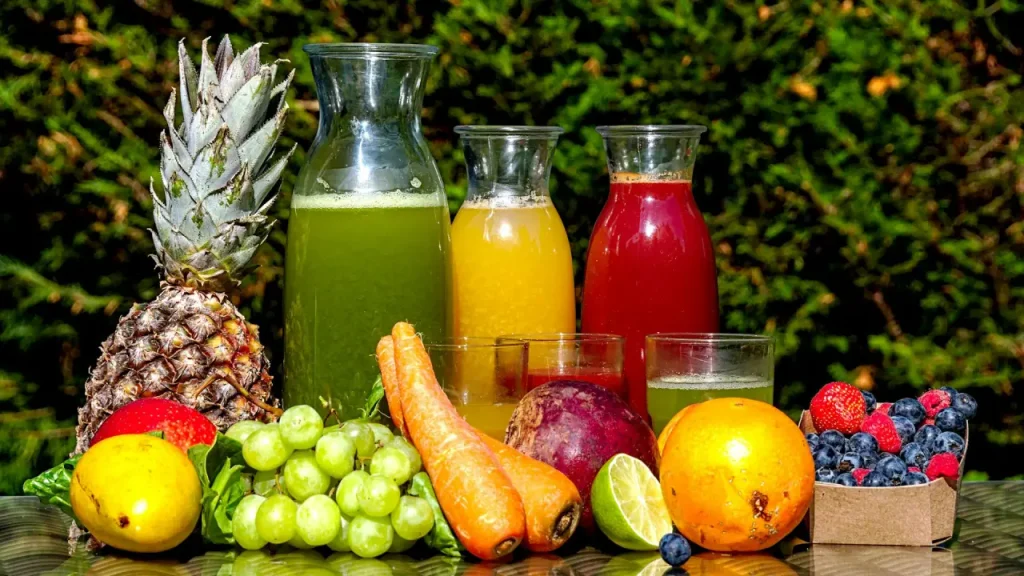
Vegetable juice can contain fewer calories than many fruit-based juices, depending on the ingredients.
But “vegetable” on the label does not automatically mean the drink is suitable for unlimited consumption.
Commercial vegetable juices can contain significant amounts of sodium, and mixed drinks can contain fruit juice as well.
The same basic rule applies: check the label, consider the portion and look at the drink in the context of your whole diet.
Eating whole vegetables is generally the simpler way to get their fibre and make them part of a filling meal.
What About Green Juice?
Green juice has acquired a reputation for being a particularly healthy drink.
It can contain useful nutrients.
But the colour does not make it a weight-loss food.
A green juice made from spinach, cucumber, celery, apple and other produce may be a perfectly reasonable drink in a small portion. It still needs to fit into the overall diet.
And it is not a replacement for a balanced meal containing vegetables, protein and a source of higher-fibre carbohydrate.
A drink can complement a healthy diet. It does not need to replace one.
Is Juicing Better Than Eating Nothing?
Skipping a meal and replacing it with juice may sound like an easy way to cut calories, but a more balanced meal may keep you satisfied for longer.
For example, a lunch containing vegetables, beans or another protein food, potatoes or whole grains, and fruit if you want something sweet provides a broader range of nutrients than a glass of juice.
The NHS Eatwell Guide recommends a varied eating pattern including fruit and vegetables, starchy foods, protein foods, dairy or alternatives and some unsaturated fats.
How Much Fruit Juice Should You Drink?
Current NHS guidance is clear: limit fruit juice, vegetable juice and smoothies to a combined total of 150ml a day. This counts as one portion of your 5 A Day, no matter how many different fruits or vegetables are used.
The reason is not that juice contains no nutritional value.
Fruit and vegetable juices can contribute some vitamins and other nutrients.
The issue is that juicing releases sugars and removes much of the original food structure. The NHS notes that these drinks can contribute to tooth decay and are less filling than whole fruit.
When Should You Drink Juice?
The NHS advises having fruit juice and smoothies with meals rather than as between-meal snacks because the sugars they contain can damage teeth.
That makes a small glass with breakfast or lunch more sensible than repeatedly sipping juice throughout the day.
What About Shop-Bought Juice?
Read the label.
“100% fruit juice” and “juice drink” are not necessarily the same thing.
Some drinks contain added sugar, while others may be diluted or mixed with other ingredients.
Even unsweetened fruit juice is still subject to the NHS 150ml limit because the naturally occurring sugars are released when the fruit is processed into juice.
For weight loss, checking the calorie and sugar content can also help you understand how much a drink contributes to your daily intake.
What If You Make Juice at Home?
A home juicer gives you more control over what goes into the drink.
That can be useful.
You can avoid added sugar and experiment with vegetables, herbs, citrus and other ingredients.
But homemade juice is still juice.
A large homemade glass can contain the juice of several pieces of fruit. You may therefore consume considerably more fruit sugar than you would by eating one piece of whole fruit.
For everyday use, keep the serving modest and make whole fruit and vegetables the main part of your produce intake.
Could a Smoothie Be Better Than Juice?
A smoothie and a juice are not identical.
A smoothie may retain more fruit or vegetables because it is blended rather than filtered.
That can mean more fibre and a thicker texture.
However, smoothies can still contain substantial amounts of fruit and therefore sugar and calories. The NHS includes smoothies within its recommendation to limit fruit juice and smoothies to a combined total of 150ml a day. NHS: 5 A Day
So a smoothie is not automatically a weight-loss drink either.
Better Ways to Use Juice in a Weight-Loss Diet
You do not have to eliminate juice completely.
Instead, use it strategically.
Keep the Portion Small
Measure out about 150ml rather than filling a large glass.
Have It With a Meal
This fits current NHS advice and avoids turning juice into an all-day snack.
Choose Whole Fruit More Often
An orange, apple, pear, berries or another whole fruit gives you the original food structure and fibre.
Use Water as Your Main Drink
The NHS recommends regular fluids and identifies water as a healthy hydration choice.
Make Meals More Filling
Include vegetables, protein foods and higher-fibre carbohydrates rather than relying on drinks to keep you going.
A Simple Weight-Loss Breakfast
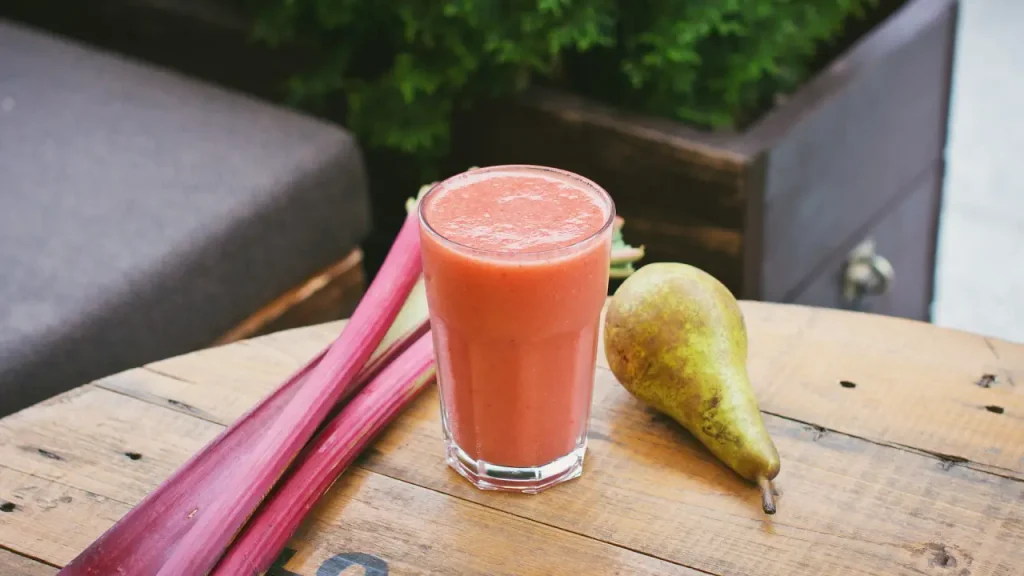
Here is an example of how juice can fit without taking over the meal.
Porridge with berries, plain yoghurt and a small glass of orange juice.
The oats provide a higher-fibre starchy food, the yoghurt provides protein, and the berries add whole fruit.
You could just as easily skip the juice and have a whole orange.
There is no need for juice to be the star of the breakfast.
A Better Lunch Than a Juice Cleanse
Instead of replacing lunch with a large green juice, try a simple bowl containing:
- mixed salad leaves
- tomatoes and cucumber
- chickpeas or chicken
- a small portion of potatoes, brown rice or wholegrain bread
- a yoghurt, lemon or olive-oil-based dressing
- a piece of fruit
This kind of meal is much closer to the balanced eating pattern the NHS recommends.
What About “Detox” Juices?
Be sceptical of claims that a particular juice can remove toxins, melt fat or reset your metabolism.
A juice may be nutritious.
That does not make it a detoxification treatment.
Likewise, ingredients such as lemon, ginger, celery, turmeric or beetroot may be enjoyable additions to a drink without being magic weight-loss ingredients.
The more dramatic the claim, the more evidence you should expect.
What Actually Matters for Weight Loss?
Juice is a small detail compared with the rest of your routine.
For sustainable weight management, focus on the bigger picture:
- eat a healthy pattern you can maintain
- pay attention to portion sizes
- choose nutritious foods most of the time
- make fruit and vegetables a regular part of meals
- include protein and higher-fibre foods
- limit foods and drinks high in calories, sugar and saturated fat
- stay physically active
- choose water and other sensible drinks regularly
- make changes gradually rather than relying on short-term cleanses
The NIDDK emphasises that a successful weight-loss plan should be healthy, realistic and sustainable rather than based on a quick fix. NIDDK: Choosing a Safe & Successful Weight-loss Program
The Bigger Picture
There is nothing wrong with enjoying a small glass of fruit or vegetable juice.
The problem begins when people treat juice as a shortcut around the basics of healthy eating.
Juicing does not switch on a special fat-burning mechanism.
It does not make calories irrelevant.
And it does not make whole fruit and vegetables unnecessary.
For most people, the better approach is to eat a varied diet based on nutritious foods, keep juice portions small, choose whole fruit regularly and make the overall eating pattern work for your life.
When weight loss is the goal, that is a much more useful strategy than drinking nothing but juice for three days and hoping the scales will cooperate.
For a broader guide to healthy eating, see Balanced Diet: The Evidence Based Guide to Healthy Eating.
For practical ideas about increasing vegetable intake, see Eat More Vegetables: Simple Way to Add Veggies to Every Meal.
And for more information about the role of variety in a healthy diet, read Variety in a Healthy Diet: 7 Simple Ways to Eat More Variety.
Medical Disclaimer
This information is provided for general educational purposes only. It is not intended to diagnose, treat, cure or prevent any medical condition and should not be considered a substitute for advice from a qualified healthcare professional.
People who are pregnant, breastfeeding, under 18, living with a medical condition, taking medication or following a medically prescribed diet may have different nutritional requirements.
Very restrictive diets and juice-only programmes may be inappropriate for some people. If you have concerns about your weight, nutrition or a restrictive diet, speak with your GP or a registered dietitian.
Do not use this article as a substitute for individual medical assessment or professional guidance.