
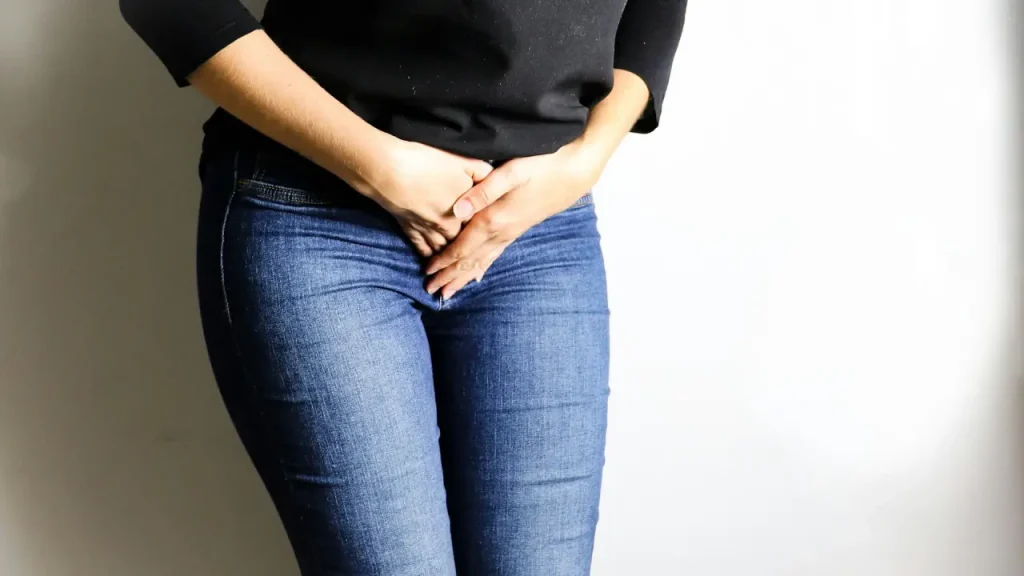
Stomach ache is a symptom that can mean many different things. Sometimes it is something minor, such as trapped wind or constipation. At other times, abdominal pain can be a sign of an illness that needs medical attention.
The key is not to assume every stomach ache can be treated with a home remedy.
This guide explains common causes of stomach pain, sensible things you can do at home for mild symptoms, and warning signs that mean you should seek medical help.
Important: This article is for general information and is not a diagnosis. Severe, sudden or unexplained abdominal pain should be assessed by a healthcare professional.
What exactly is a stomach ache?
People use “stomach ache” to describe pain anywhere in the abdomen, but the location and nature of the pain can sometimes provide useful clues.
Pain may be cramping or coming in waves, a dull ache, sharp or stabbing, burning, or associated with bloating, diarrhoea, constipation, nausea or vomiting.
The abdomen contains many organs, including the stomach, intestines, gallbladder, pancreas, kidneys and bladder. Problems outside the digestive system can also sometimes cause abdominal pain.
That is why persistent or worrying pain should not simply be assumed to be indigestion.
Common causes of stomach ache
Trapped wind
Gas in the digestive tract can cause cramping, bloating and discomfort. You may also find that you are farting more than usual.
For mild symptoms, gentle movement and allowing gas to pass may help. Fizzy drinks can make bloating worse for some people.
Indigestion and heartburn
Indigestion can cause symptoms such as heartburn, feeling unusually full or bloated after eating, nausea, burping and bringing up food or bitter-tasting fluid.
Ordinary stomach or back pain is not usually a typical symptom of indigestion, so significant abdominal pain should not automatically be blamed on indigestion.
Constipation

Being unable to pass stools, passing hard stools, or going much less often than usual can cause abdominal discomfort and bloating.
Drinking enough fluid, staying active and gradually increasing fibre can help prevent constipation. A pharmacist can also advise about suitable treatments.
Stomach bug or food poisoning
A stomach infection or food poisoning can cause abdominal cramps along with diarrhoea, nausea and vomiting.
In these cases, preventing dehydration is particularly important. Take frequent small sips of fluid if drinking normally is difficult.
Irritable bowel syndrome
IBS can cause recurring abdominal pain or cramps together with bloating, diarrhoea, constipation, or alternating bowel habits.
Because several other conditions can produce similar symptoms, ongoing or unexplained digestive symptoms deserve proper medical assessment rather than self-diagnosis.
Period pain
Cramping around the time of a period is another common cause of abdominal pain.
However, unusually severe, persistent or different-than-normal pain should not simply be dismissed as period pain.
What can you do for a mild stomach ache?
When the pain is mild, and there are no warning signs, a few simple measures may help.
Keep drinking fluids
Water and other suitable non-alcoholic drinks can help you stay hydrated, particularly if you have diarrhoea or vomiting.
If you struggle to keep fluids down, or develop signs of dehydration, seek medical advice.
Eat according to your symptoms
You do not necessarily need to stop eating. When your appetite returns, choose foods that you find easy to tolerate.
For recurring digestive symptoms, paying attention to foods and drinks that trigger symptoms can be useful. A simple food diary may help identify patterns.
Take it easy
Rest can be helpful when abdominal discomfort is associated with a stomach bug or another short-lived illness.
Gentle movement may be better than complete inactivity when gas or constipation contributes to discomfort.
Be cautious with “natural remedies”
There is a big difference between a gentle comfort measure and a treatment that claims to cure an abdominal condition.
Warm drinks, adequate fluids and avoiding foods that clearly trigger your symptoms may be reasonable self-care measures. But herbal remedies, essential oils and other “natural” products are not automatically safe or effective simply because they are natural.
More importantly, relying on a home remedy can delay proper treatment when abdominal pain has a more serious cause.
What about peppermint, ginger and other home remedies?
Peppermint tea and ginger are often recommended for digestive discomfort, but evidence and suitability vary depending on the cause.
Peppermint may aggravate heartburn or acid reflux in some people. Ginger may help with nausea for some people, but that does not make it a treatment for unexplained abdominal pain.
The safest approach is to treat the symptom appropriately rather than assume one natural remedy works for every type of stomach ache.
When should you speak to a doctor?

Arrange medical advice if your stomach ache:
- is getting worse
- does not go away
- keeps coming back
- is accompanied by persistent bloating
- occurs with unexplained weight loss
- occurs with pain or changes when you urinate
- is associated with bleeding from the bottom
- occurs with unusual vaginal bleeding or discharge
- occurs during pregnancy
- is accompanied by ongoing diarrhoea or other symptoms that concern you
You should also seek medical advice if you are simply worried about the pain or cannot work out what is causing it.
When is stomach pain an emergency?
Get urgent medical help immediately for severe or sudden abdominal pain, especially when it is getting worse or is very difficult to tolerate.
Emergency assessment is particularly important if you have abdominal pain together with:
- pain when your abdomen is touched
- vomiting blood or vomit that looks like coffee grounds
- bloody stools or black, sticky stools
- inability to urinate
- inability to poo or pass gas
- chest pain
- difficulty breathing
- collapse or severe weakness
- vomiting when you have diabetes
These symptoms can occur with potentially serious conditions and should not be treated at home.
Where the pain occurs can matter
The location of abdominal pain can sometimes help a clinician narrow down the possible cause.
For example, pain that moves to the lower right side of the abdomen can occur with appendicitis. Severe pain in the centre of the abdomen or beneath the right ribs can occur with gallstones. Pain associated with urination can occur with urinary problems or kidney stones.
These are only examples, not ways to diagnose yourself. Abdominal pain can be complicated, and symptoms do not always follow a textbook pattern.
What not to do
Avoid repeatedly taking medicines simply to mask unexplained or worsening abdominal pain without getting appropriate advice.
Do not assume that a painful abdomen is “just gas”, “just indigestion” or “just something you ate” when the symptoms are severe, persistent or unusual for you.
And do not let the word natural give you a false sense of security. Some natural products can interact with medicines or cause side effects, and none should replace urgent medical care.
The bottom line
Most short-lived stomach aches aren’t caused by anything serious and often settle within a few days. Common causes include trapped wind, constipation, indigestion, stomach bugs and food poisoning.
Simple measures such as staying hydrated, resting, eating what you can tolerate, and avoiding known triggers may help mild symptoms.
But abdominal pain is a symptom, not a diagnosis. If the pain is severe, sudden, persistent, repeatedly returning or accompanied by warning signs such as bleeding, difficulty breathing, vomiting blood or inability to pass urine or stool, seek medical help rather than relying on home remedies.
Recommended Further Reading
- The Gut Microbiome: What “Good” and “Bad” Bacteria Really Mean
- Common Food Allergies: What They Are, What to Watch For and What to Do
- How Can I Tell if I Am Gluten Intolerant? What to Check First
- How to Improve Digestion: Simple Habits for Better Digestive Health
Medical Disclaimer
The information provided in this article is for general educational purposes only. It is not intended to diagnose, treat, cure or prevent any disease or medical condition, and it should not be used as a substitute for professional medical advice, diagnosis or treatment.
Abdominal pain can have many different causes, some of which may require prompt medical attention. If you have severe, sudden, persistent or worsening pain, or any symptoms that concern you, seek advice from a qualified healthcare professional. In an emergency, contact your local emergency medical service.