

Sunspots and age spots are common areas of darker pigmentation that tend to appear on skin that has had a lot of sun exposure, particularly the face, hands, arms and other exposed areas.
They are usually harmless. But not every dark or changing mark is an age spot, and that is the first thing worth understanding before trying to make one fade.
This guide explains what causes sunspots, what you can do to reduce further sun damage, which treatments may help, and when a mark should be checked by a healthcare professional.
Important: This article is for general information and is not a diagnosis. A new, unusual or changing skin mark should be assessed by a qualified healthcare professional rather than treated at home.
What are sunspots and age spots?
The terms sunspots, age spots and liver spots are often used for flat areas of increased pigmentation caused by long-term exposure to ultraviolet (UV) radiation.
They commonly appear on areas of skin that receive the most sun, such as the face and backs of the hands. They can vary in colour from light brown to darker brown.
The medical term for typical age spots is solar lentigines.
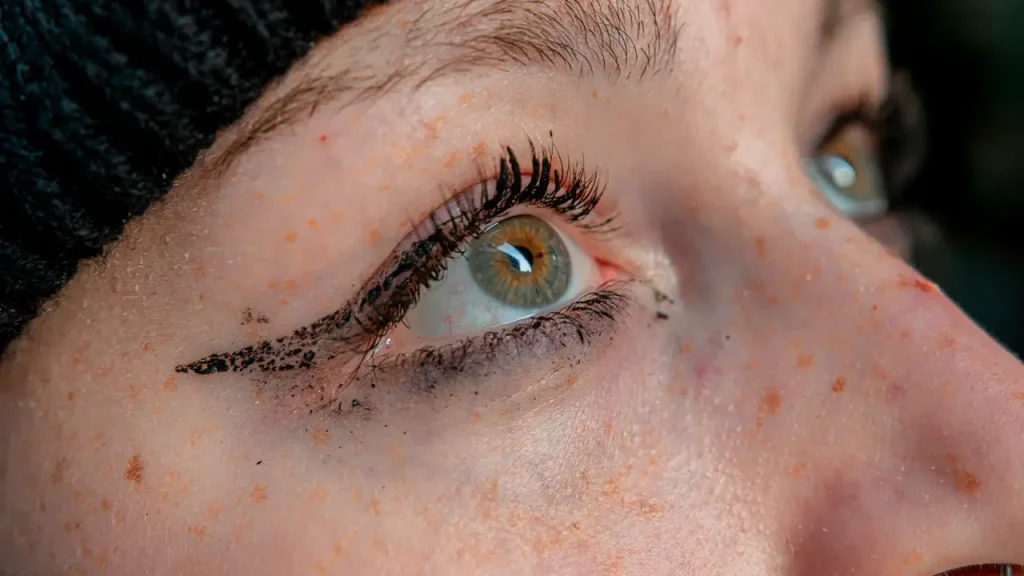
Sunspots are different from freckles. Freckles are usually smaller and can become more noticeable after sun exposure, while solar lentigines tend to persist.
Why do sunspots appear?
UV radiation stimulates pigment-producing cells in the skin. Repeated exposure can lead to areas where pigment becomes more concentrated, creating persistent darker patches.
Age is part of the reason these marks become more common, but the name “age spots” can be misleading. The underlying factor is cumulative sun exposure rather than age alone.
Previous periods of heavy sun exposure can continue to show up on the skin years later.
Are sunspots dangerous?
Typical solar lentigines are harmless.
The important caveat is that not every brown or dark spot is a sunspot. Other skin conditions can look similar, including actinic keratoses and skin cancers.
That is why it is not sensible to assume that a new or unusual mark is simply an age spot and immediately start using a fading treatment.
The American Academy of Dermatology recommends having a dermatologist check a suspected age spot before treating it because skin cancer can sometimes resemble an age spot.
What can you do about sunspots?
Protect your skin from further sun damage
Sun protection is the most useful long-term step.
Dermatologists recommend seeking shade, wearing protective clothing and using a broad-spectrum sunscreen with SPF 30 or higher on exposed skin. Sun protection can also help reduce the chance of new age spots appearing and help protect against skin cancer.
Good habits include:
- spending more time in the shade when UV levels are high
- wearing a hat and clothing that covers exposed skin
- applying broad-spectrum SPF 30 or higher to uncovered skin
- reapplying sunscreen as directed, particularly after swimming or sweating
- avoiding sunbeds
Sun protection is not only about appearance. Long-term UV exposure contributes to sun damage and increases the risk of skin cancer.
Can creams fade sunspots?
Some topical products can gradually lighten areas of unwanted pigmentation.
However, treatment should ideally start with confirming that the mark really is an age spot. Creams and lotions may take weeks or months to produce results, while some prescription treatments may be appropriate for particular people.
The right product depends on the cause of the pigmentation and your skin. A treatment that is appropriate for one person may irritate or worsen pigmentation in another.
Rather than buying the strongest “spot remover” you can find, it is better to get advice from a pharmacist, GP or dermatologist, especially for a new or uncertain mark.
What about laser treatment and chemical peels?
Dermatologists can treat confirmed age spots with procedures such as laser treatment, cryotherapy, chemical peels or microdermabrasion.
These treatments can work more quickly than many creams, but they can also have side effects and are not suitable for every person or every type of pigmentation.
A qualified professional should assess the skin first and recommend the most appropriate option.
Why you should not use lemon juice on sunspots
Lemon juice is a common ingredient in old-fashioned DIY skin-lightening advice, but it is not a treatment we recommend.
Citrus juice on skin can cause irritation, and exposure to sunlight after contact with certain citrus substances can cause a reaction known as phytophotodermatitis. This can result in redness, blistering and subsequent darkening of the skin.
More importantly, putting lemon juice on a suspicious dark spot can create the false impression that you are treating the problem when the mark actually needs medical assessment.
For more information, see our related article Lemon Juice on Your Skin and Hair: What Works, What Doesn’t and What Is Safe?
What about exfoliating or homemade scrubs?
Scrubbing harder does not make sunspots disappear faster.
Aggressive exfoliation can irritate the skin and may make pigmentation more noticeable, particularly if inflammation follows. The aim should be to protect the skin rather than repeatedly damaging its surface in an attempt to remove colour.
This is another reason we do not recommend homemade “spot-removing” recipes based on lemon juice, abrasive scrubs or other harsh ingredients.
When should you get a skin mark checked?
Get medical advice if you notice a new or unusual mark, or if an existing mark changes.
Pay particular attention if a mark:
- changes size, shape or colour
- develops an uneven or irregular appearance
- becomes painful or itchy
- bleeds, crusts or becomes inflamed
- becomes thicker or develops a lump
- does not heal or persists as an unusual area of skin
The NHS advises getting new or changing moles and unusual skin marks checked, while sun-damaged skin can also develop rough patches called actinic keratoses that need assessment when they change, bleed, enlarge or become tender.
Do not try to diagnose a suspicious mark from photographs or online descriptions alone.
Sunspots, freckles and skin cancer are not the same thing
It is easy to see a brown mark and assume that it is harmless sun damage, but appearance alone does not always provide a reliable diagnosis.
A dermatologist can distinguish an ordinary age spot from other conditions that may look similar. This is particularly important if the mark is new, changing or unusual.
The NHS also advises getting a new or changing mole, or a new or unusual mark that does not disappear after a few weeks, checked by a GP.
How to prevent more sunspots
You cannot undo all the effects of previous sun exposure, but you can reduce further damage.
Make sun protection part of your normal skincare routine:
Protect: use clothing, hats and shade when appropriate.
Cover: use broad-spectrum sunscreen with SPF 30 or higher on exposed skin.
Repeat: follow the sunscreen instructions and reapply when necessary, especially after swimming or sweating.
Avoid sunbeds: artificial UV exposure also damages skin.
The bottom line
Sunspots and age spots are usually a sign of cumulative sun exposure rather than simply getting older. They are generally harmless, but a mark that looks like an age spot can sometimes be another skin condition, so it is important to check anything new, unusual or changing before attempting to remove it.
The most useful long-term step is protecting your skin from further UV damage. Confirmed age spots may sometimes be lightened with creams or professional treatments, but harsh DIY remedies such as lemon juice and aggressive scrubbing are not the answer.
When it comes to a changing skin mark, don’t try to make it disappear before you know what it is.
Recommended Further Reading:
Medical Disclaimer
The information provided in this article is for general educational purposes only. It is not intended to diagnose, treat, cure or prevent any disease or medical condition, and it should not be used as a substitute for professional medical advice, diagnosis or treatment.
Skin pigmentation can have many causes. If you have a new, unusual, changing, painful, bleeding or otherwise concerning skin mark, seek advice from a qualified healthcare professional. Do not delay medical assessment because of information read on Natural Health Kingdom.
Natural Health Kingdom does not accept responsibility for any loss or injury resulting from reliance on information contained in this article.
Sources:
- American Academy of Dermatology — What can get rid of age spots?
- NHS — Moles
- NHS — Actinic keratoses (solar keratoses)
- NHS — Symptoms of non-melanoma skin cancer
- NHS — Symptoms of melanoma skin cancer
- Cambridge University Hospitals NHS Foundation Trust — Care for skin with sun damage and after treatment for a skin cancer or pre-cancer