

The word superfood sounds impressive.
It suggests that certain foods contain almost magical health properties and that adding a handful of special ingredients to your diet can transform your wellbeing.
The reality is much simpler.
There is no official category of “superfoods” in nutrition. Foods such as berries, oily fish, nuts, seeds, beans, vegetables and wholegrains can certainly be highly nutritious, but their value comes from the nutrients they provide and the way they fit into your overall diet — not from a special label.
Current NHS guidance recommends eating a wide variety of foods in the right proportions rather than relying on a small group of supposedly superior foods.
What are superfoods?
“Superfood” is not a scientific classification.
It is a popular term used to describe foods that are particularly rich in certain nutrients or plant compounds.
That does not mean the food is unhealthy or that it has no special nutritional qualities.
It simply means that the label can be misleading if it suggests that one food can compensate for an otherwise unbalanced diet.
A healthy diet is built from variety, balance and appropriate amounts, not from a shopping list of miracle ingredients.
What makes a food genuinely nutritious?
Instead of asking whether a food is a superfood, ask what it contributes to your diet.
Useful qualities can include:
- fibre
- protein
- vitamins and minerals
- unsaturated fats
- useful plant compounds
- relatively low amounts of added sugar, salt or saturated fat
The answer will be different for different foods.
A lentil dish provides fibre and plant protein. Oily fish provides protein and long-chain omega-3 fatty acids. Fruit and vegetables provide fibre, vitamins and minerals. Nuts and seeds can provide protein, fibre and unsaturated fats.
No single food needs to provide everything.
Fruit and vegetables deserve the attention
Fruit and vegetables are sometimes called superfoods because they contain a wide range of nutrients and plant compounds.
There is no need to make them exotic.
Apples, bananas, carrots, cabbage, tomatoes, peas and frozen vegetables all have a place in a healthy diet.
The NHS recommends eating at least 5 portions of a variety of fruit and vegetables each day. Fruit and vegetables are sources of vitamins, minerals and fibre, and eating enough of them is associated with important health benefits.
Variety matters because different foods contain different combinations of nutrients.
Berries are nutritious, but they are not magic
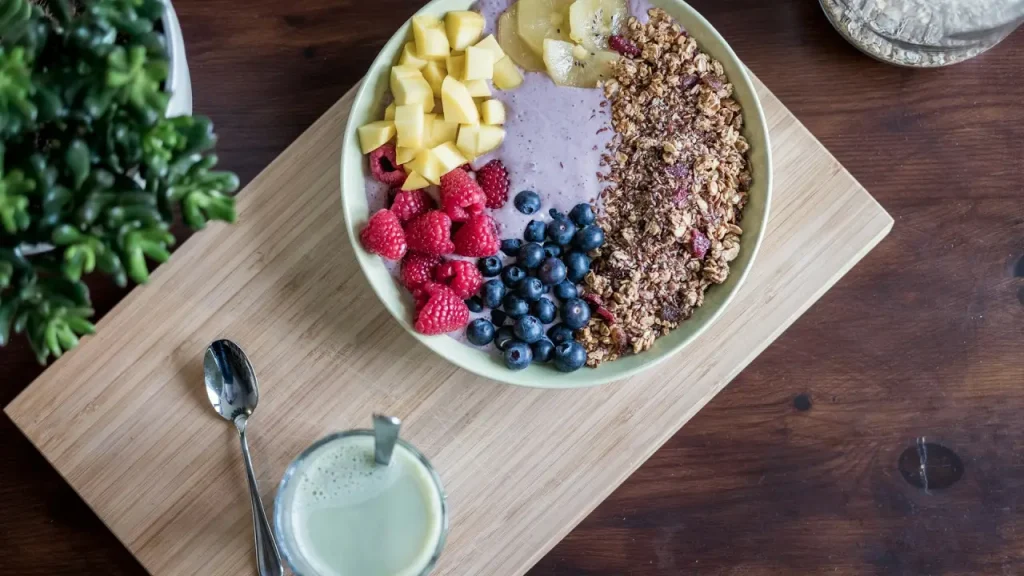
Blueberries, strawberries, raspberries and other berries are nutritious foods.
They provide fibre and vitamins and contain naturally occurring plant compounds.
But you do not need to buy expensive “superfood” powders to benefit from fruit.
Fresh, frozen or canned fruit can all contribute to a healthy diet. The best choice is often the one you enjoy and can afford to eat regularly.
Nuts and seeds
Nuts and seeds can be useful additions to a balanced diet.
They provide fibre, protein and mostly unsaturated fats, along with a range of vitamins and minerals.
Because they are energy-dense, portion size still matters. The NHS recommends unsalted nuts as a good snack while noting that they contain significant amounts of fat and should therefore be eaten in moderation.
You do not need to eat huge quantities to benefit from them.
Oily fish and omega-3
Salmon, sardines, mackerel, trout and other oily fish are good sources of long-chain omega-3 fatty acids as well as protein, vitamins and minerals.
The NHS recommends at least 2 portions of fish a week, including 1 portion of oily fish, for most people.
The useful lesson is not “eat one superfood”.
It is “include nutritious foods regularly as part of your overall pattern of eating.”
Beans, peas and lentils
Pulses such as beans, peas and lentils are among the most useful foods that often get overlooked.
They provide fibre, protein, vitamins and minerals and can be inexpensive compared with many foods marketed as superfoods.
They also work well in soups, stews, salads, curries and many everyday meals.
Wholegrains
Wholegrain foods such as wholewheat pasta, brown rice, oats and higher-fibre breads provide more fibre than many refined alternatives.
The NHS recommends basing meals on higher-fibre starchy foods and choosing wholegrain or higher-fibre options where possible.
There is nothing glamorous about a bowl of porridge.
It is still a nutritious breakfast.
What about fermented foods and gut health?
Foods such as yoghurt and some fermented foods are often promoted as superfoods because of their possible effects on the gut.
Some fermented foods can be nutritious additions to a varied diet, particularly when they provide protein or other useful nutrients.
But it is important not to turn every fermented food into a claim about curing digestive problems.
The evidence surrounding the gut microbiome and health is developing, and a healthy diet remains much broader than eating one fashionable fermented food.
Dark chocolate, green tea and other fashionable foods
Foods and drinks such as dark chocolate and green tea are often promoted as superfoods because they contain plant compounds.
That does not make them a free pass to consume unlimited amounts.
Dark chocolate still contains significant amounts of fat and energy. Tea can be part of a healthy diet, but adding large amounts of sugar changes the nutritional picture.
The useful question is always:
How does this food fit into the rest of my diet?
What about expensive powders and supplements?
This is where superfood marketing can become particularly misleading.
You may see products marketed as concentrated sources of berries, greens, algae or other ingredients, often with claims about energy, detoxification, immunity or disease prevention.
A concentrated product is not automatically better than ordinary food.
Supplements can also interact with medicines and are not a substitute for a balanced diet.
The British Dietetic Association emphasises that healthy eating is about balance and variety rather than relying on isolated products.
Superfood myths to leave behind
Myth: One food can make up for a poor diet
It cannot.
A bowl of berries does not cancel out an otherwise poor eating pattern.
Myth: More is always better
Not necessarily.
Even nutritious foods contribute calories, and some foods are concentrated sources of fat or other nutrients.
Myth: Expensive means healthier
Not at all.
Beans, oats, frozen vegetables, apples and lentils can be highly nutritious without carrying a premium price tag.
Myth: A food needs an exotic name to be impressive
Again, no.
Some of the most useful foods are ordinary foods that have been eaten for generations.
A better way to build your diet
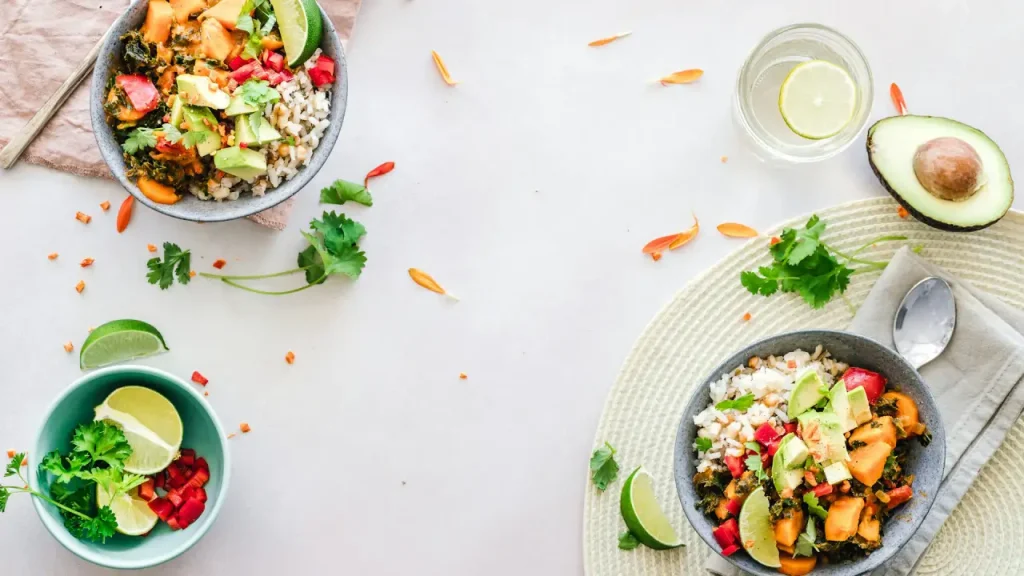
Instead of searching for the next food that promises extraordinary benefits, build meals around a variety of ordinary nutritious foods.
A simple pattern might include:
Plenty of vegetables and fruit
Higher-fibre starchy foods
Beans, pulses and other sources of protein
Fish, including oily fish
Nuts and seeds in sensible portions
Dairy or suitable alternatives
Small amounts of unsaturated oils and spreads
This broadly reflects the NHS Eatwell Guide.
You do not need to achieve a perfect balance at every meal. The overall pattern across a day or week is what matters.
What about processed food?
“Processed” does not automatically mean “bad”.
Many foods are processed in some way.
The NHS notes that some processed foods can be part of a healthy diet, while foods high in saturated fat, salt or sugar should generally be eaten less often and in smaller amounts.
So do not replace sensible nutrition with another set of rigid rules.
Look at the whole food and the overall dietary pattern.
Real superfoods might be a variety
Different foods provide different nutrients.
Eating a wide variety makes it more likely that your diet will supply the combination of nutrients your body needs.
That is why variety is more useful than obsessing over individual foods.
A colourful plate is not healthier because it looks good on Instagram.
It is useful because different foods bring different nutrients to the table.
The bottom line
There is no official list of superfoods, and you do not need one.
Foods such as fruit and vegetables, oily fish, beans, pulses, wholegrains, nuts and seeds can all make valuable contributions to a healthy diet. But none needs to be treated as a miracle food.
The NHS recommends a varied, balanced eating pattern built around a range of foods rather than a handful of fashionable ingredients.
So the next time a food is described as a “superfood”, ask a more useful question:
What does this food contribute to my overall diet?
That question will probably lead you to better choices than the marketing label ever will.
Recommended Further Reading:
- Special Nutritional Needs: When Your Diet May Need Extra Attention
- Eat More Vegetables: Simple Ways to Add Veggies to Every Meal
- Probiotic Foods: Which Fermented Foods Actually Contain Probiotics?
- Probiotics: Benefits, Foods, Supplements & What the Evidence Says
- Balanced Diet: The Evidence Based Guide to Healthy Eating
- Nutrition Terms Explained: RDA, DRI, EAR, AI and UL
Medical Disclaimer
The information provided in this article is for general educational purposes only. It is not intended to diagnose, treat, cure or prevent any disease or medical condition, and it should not be used as a substitute for professional medical or dietary advice, diagnosis or treatment.
Nutritional needs vary according to age, health, medications, pregnancy, allergies and other individual circumstances. If you have a medical condition or specific dietary needs, speak with a qualified healthcare professional or registered dietitian.
Do not use foods, supplements or products marketed as “superfoods” as a substitute for prescribed treatment.
Natural Health Kingdom does not accept responsibility for any loss or injury resulting from reliance on information contained in this article.