
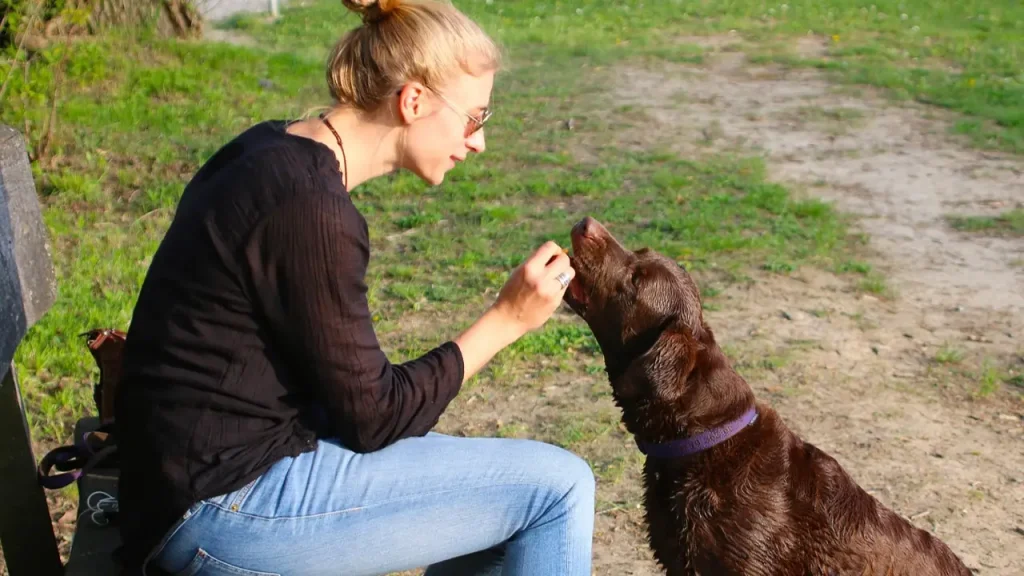
Weight loss rewards can be a surprisingly useful way to stay motivated when you’re working towards a healthier lifestyle.
Losing weight can take time.
There may be weeks when the scales move in the direction you want and other weeks when they barely seem to move at all. That’s one reason it can be useful to recognise progress in ways that don’t depend entirely on a number on the scales.
Rewarding yourself for healthy changes isn’t about buying yourself a reward every time you make a good choice. It is about recognising that meaningful lifestyle change takes effort — and finding positive ways to celebrate progress without turning food into the reward..
Why Weight Loss Rewards Can Help With Long-Term Success
When you’re working towards a weight-loss goal, the final destination can seem a long way away.
If you have a substantial amount of weight to lose, waiting until you reach your final target before acknowledging your progress can be discouraging.
Instead, break the journey into smaller milestones.
You might celebrate:
- completing your first month of consistent healthy habits
- reaching a waist-measurement milestone
- walking further than you could previously
- completing a series of planned workouts
- preparing most of your meals at home for a month
- becoming more consistent with your eating habits
- reaching an agreed weight-loss milestone
The important thing is to recognise behaviour and progress, not demand perfection.
A successful week doesn’t have to mean every meal was perfect.
It can simply mean that you kept moving in the right direction.
Why Food Doesn’t Have to Be the Reward
Food is an important and enjoyable part of life.
There is nothing wrong with enjoying a favourite meal or having dessert.
The problem arises when food becomes the automatic reward for every achievement.
You exercise all week, so you “deserve” a takeaway.
You lose a few pounds, so you celebrate with an entire evening of high-calorie food.
You complete a difficult workout, so you reward yourself with sweets.
That can create an unhelpful cycle in which healthy behaviour and overeating become connected.
You don’t have to remove enjoyable foods from your life.
Instead, try expanding the number of ways you reward yourself.
15 Non-Food Rewards You Can Actually Enjoy
You don’t have to spend a fortune.
Some of the best rewards are experiences or things that make your new lifestyle more enjoyable.
1. Buy Some New Clothes
As your body changes, clothes that fit properly can be a genuinely motivating reward.
You don’t have to wait until you’ve reached your final goal.
A new shirt, jacket or pair of trousers can be a useful reminder that your body is changing.
2. Buy Better Walking Shoes
If you’re becoming more active, comfortable footwear can be both a reward and a practical investment.
It reinforces the behaviour you’re trying to build.
3. Have a Day Out
Take a day trip somewhere you’ve wanted to visit.
It could be a museum, garden, coastal walk, town, countryside location or another place you enjoy.
The reward becomes an experience rather than another meal.
4. Book a Massage or Relaxation Treatment
If relaxation helps you feel good, treat yourself to a massage or another appropriate wellbeing experience.
It can be a reminder that looking after yourself isn’t only about what you eat.
5. Buy Something for a Hobby
Have you been putting off buying something for a hobby you enjoy?
A book, gardening equipment, art materials, fishing equipment, music or another hobby-related purchase can be a satisfying milestone reward.
6. Go to the Cinema or Theatre
Choose a film, concert, play or other performance you’ve been looking forward to.
You can enjoy yourself without making the reward centre around food.
7. Take a Short Break
A weekend away or short trip can make a memorable milestone reward.
It also gives you something positive to look forward to while you’re working towards your goal.
8. Upgrade Your Exercise Equipment
If you’ve discovered that you enjoy being active, consider investing in something that supports your new routine.
It might be resistance bands, a fitness tracker, a yoga mat, or another appropriate piece of equipment.
The point isn’t to buy more equipment for the sake of it.
Choose something you’ll genuinely use.
9. Buy a Book
A new novel, cookbook, biography or book about one of your interests can be a simple and inexpensive reward.
10. Create a Personal “Time Off” Day

Give yourself a day with fewer obligations.
Read. Listen to music. Work on a hobby. Take a walk. Visit somewhere you enjoy.
Rest is not failure.
11. Get a New Haircut or Personal Treat
A haircut, grooming appointment or another personal-care treat can be a simple way of recognising progress.
12. Take Progress Photographs
This doesn’t necessarily have to be a reward you buy.
Taking photographs at regular intervals can help you notice changes that the scales don’t show.
If you are comfortable doing so, photographs can become a record of your journey.
13. Celebrate a Fitness Achievement
Perhaps you walked further than before.
Maybe you completed your first full workout.
Maybe climbing the stairs has become easier.
Celebrate the achievement itself.
These improvements can be more meaningful than a particular number on the scale.
14. Buy Something You’ve Been Putting Off
Have a list of things you’ve wanted for a while?
A weight-loss milestone can be a useful trigger for choosing one.
It doesn’t have to be expensive.
The meaning comes from connecting it with the progress you’ve made.
15. Spend Time With People You Enjoy
Arrange something with friends or family.
Go for a walk together, visit somewhere interesting or simply spend time talking.
Social connection can be a much more satisfying reward than another food-based treat.
Reward Consistency, Not Perfection
One of the biggest mistakes you can make is waiting for perfect results before giving yourself credit.
Real life is messy.
You might have a week where you follow your plan brilliantly.
The next week might include a birthday, restaurant meal, poor night’s sleep or missed workout.
That doesn’t erase the previous progress.
Instead of rewarding perfection, reward consistency.
For example:
“I followed my planned habits on most days this month.”
is a much healthier achievement than:
“I never ate anything I wasn’t supposed to eat.”
There is no need for the second standard.
Create Your Own Weight-Loss Milestone System
A simple milestone system can make a long journey feel more manageable.
You might choose milestones based on:
Behaviour
- following your planned eating pattern consistently
- preparing meals at home
- increasing your daily activity
- completing planned workouts
Measurements
- losing a certain amount of weight
- reducing your waist measurement
- moving into a different clothing size
Fitness
- walking for longer
- completing more repetitions
- improving strength
- finding everyday activities easier
Lifestyle
- having more energy
- feeling more confident
- sleeping better
- being more comfortable moving around
You don’t need to celebrate every tiny change.
Choose milestones that are meaningful to you.
Don’t Let Rewards Become Another Form of Pressure
Rewards should make the journey more enjoyable.
They shouldn’t become another system of rules that makes you feel guilty.
If you miss a target by a small amount, don’t take away everything positive you’ve achieved.
For example, if you planned to lose 4 pounds but lost 3, that doesn’t make the 3 pounds meaningless.
If you planned to exercise five times but managed four, that isn’t failure.
The purpose of a reward system is to reinforce positive behaviour — not create another reason to criticise yourself.
What About Celebrating With Food?
You don’t have to ban food-based celebrations.
If you’ve reached an important milestone and want to have dinner at your favourite restaurant, that’s perfectly compatible with a healthy lifestyle.
The key is not to turn one celebration into an excuse to abandon everything.
Enjoy the meal.
Enjoy the occasion.
Then return to your normal routine.
A healthy relationship with food allows enjoyment without turning one meal into a week-long “I’ve blown it” episode.
Make Your Rewards Support Your New Lifestyle
The best rewards often have something in common:
They make your new lifestyle more enjoyable.
A new pair of walking shoes can encourage more walking.
A day trip can give you an active experience.
A fitness class can introduce you to something new.
A new item of clothing can make you feel good about physical changes.
A massage can reinforce the idea that self-care matters.
The reward becomes part of the lifestyle rather than an escape from it.
What If Other People Don’t Understand?
Sometimes friends or family may not understand why you’re changing your habits.
They may joke about your diet.
They may encourage you to “have just one more.”
They may think you’re taking things too seriously.
You don’t need everyone to agree with your choices.
If someone is genuinely concerned, explain what you’re trying to achieve.
If someone repeatedly undermines your efforts, setting a clear boundary can help.
You might simply say:
“I’m not trying to be perfect. I’m just trying to make some healthier changes, and I’d appreciate your support.”
Your health goals don’t require everyone else’s approval.
The Bigger Reward
The most valuable reward may not be something you can buy.
It may be the knowledge that you are becoming more capable of looking after yourself.
You may be moving more easily.
You may have more confidence.
You may feel better about your relationship with food.
You may be doing things you avoided before.
You may simply feel that you’re finally taking control of your health.
Those changes can become their own motivation.
The Bottom Line
Weight loss takes time, and long-term lifestyle change takes even longer.
You don’t have to wait until you reach your final goal before recognising the work you’re putting in.
Celebrate the milestones.
Reward consistency.
Choose experiences and purchases that make you feel good.
Use rewards to support the lifestyle you’re building rather than automatically turning to food.
And remember that progress doesn’t have to be perfect to be worthwhile.
The goal isn’t simply to lose weight. It’s to build a healthier life that you actually enjoy living.
Frequently Asked Questions
Is it okay to reward yourself with food after losing weight?
Yes. Food is part of normal life, and there is no need to label enjoyable foods as forbidden. The important thing is to avoid creating a pattern where every achievement automatically leads to overeating.
What are the best non-food rewards for weight loss?
The best reward is personal to you. Experiences, new clothes, hobbies, trips, books, personal-care treats and activities you enjoy can all work well.
How often should I reward myself?
There is no universal schedule. Some people like small rewards for consistent habits and larger rewards for meaningful milestones. Choose a system that motivates you without becoming another source of pressure.
Should I reward myself for every pound I lose?
You don’t need to. Weight is only one measure of progress. Consider rewarding improvements in habits, fitness, waist measurement, consistency and confidence as well.
What if I don’t reach my weight-loss goal?
Don’t treat a missed target as failure. Review what happened, adjust your expectations if necessary and continue. A smaller improvement is still an improvement.
Can rewards actually help with weight loss?
Rewards can reinforce behaviours and make a long-term change feel more positive, but they are not a magic weight-loss tool. The foundation remains a sustainable eating pattern, appropriate activity and habits you can maintain.
Should my reward be expensive?
Absolutely not. Some of the best rewards cost very little. A day in a favourite place, a new book, time for a hobby or an enjoyable walk can be more meaningful than an expensive purchase.
What is the most important thing to remember?
Don’t wait for perfection before recognising progress. Sustainable change is built from many small actions repeated over time.
Medical Disclaimer
This article is intended for general educational purposes and is not medical advice. People with medical conditions, people taking medications that are affected by food intake or blood glucose levels, and anyone considering a significant dietary change should discuss it with an appropriate healthcare professional.