
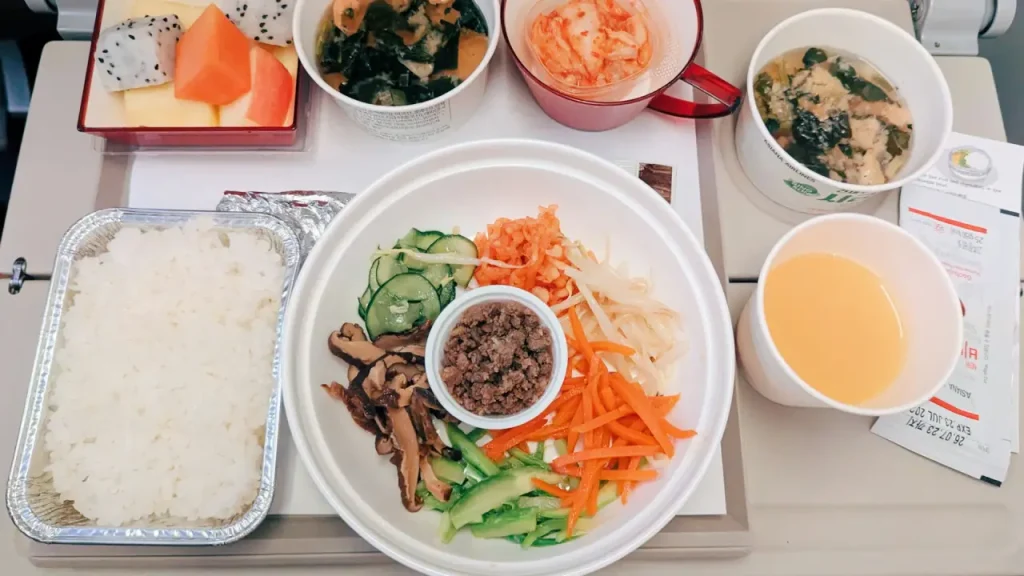
How to Lose Weight Without Starving Yourself
Losing weight does not mean you have to spend your days feeling hungry, miserable or constantly thinking about food.
In fact, an approach that leaves you desperately hungry every day is unlikely to be one you can maintain for very long.
The goal is not to eat as little as possible.
The goal is to create a sensible calorie deficit while eating nutritious foods that help you feel satisfied and give your body the fuel it needs.
There is no single perfect diet for weight loss. The best approach is one that helps you reduce your overall calorie intake while still fitting comfortably into your everyday life.
That is what sustainable weight loss is really about.
You Don’t Have to Starve Yourself to Lose Weight
One of the biggest misconceptions about weight loss is that success depends on eating as little as possible.
It doesn’t.
Your body needs energy to keep your heart beating, your brain working, your muscles moving and all the other processes that happen every day.
To lose weight, you generally need to consume fewer calories than your body uses. But that does not mean you should slash your food intake to an extreme level.
A sensible approach is much easier to maintain than a crash diet.
The number on the scales matters, but how you get there matters too.
Why Extreme Dieting Can Be So Difficult
Very restrictive diets can look attractive because they promise fast results.
The problem is what happens after the initial enthusiasm disappears.
You may find yourself:
- constantly thinking about food
- feeling hungry between meals
- craving highly palatable foods
- becoming tired of following complicated rules
- feeling guilty when you eat something you weren’t “supposed” to eat
- eventually giving up because the plan doesn’t fit your life
That isn’t necessarily a failure of willpower.
It may simply mean the strategy was too restrictive to be sustainable.
A successful weight-loss programme should help you develop eating and activity habits that you can continue after you’ve reached your goal.
Check out this article: Rapid weight loss is not a healthy way forward
The Secret Is Choosing Foods That Fill You Up
When you’re trying to lose weight, what you eat can make a huge difference to how easy the process feels.
A plate filled mostly with highly processed, calorie-dense foods may leave you wanting more.
A balanced meal containing vegetables, protein and a sensible portion of wholegrain or other starchy food can be considerably more satisfying.
1. Eat Plenty of Vegetables
Vegetables can add a lot of volume to meals without contributing huge numbers of calories.
Think:
- broccoli
- cauliflower
- carrots
- peppers
- tomatoes
- green beans
- spinach
- cabbage
- courgettes
- mushrooms
You don’t need to live on salad.
Roasted vegetables, soups, stir-fries and vegetable-rich main meals can all be filling and enjoyable.
A useful rule is to make vegetables a substantial part of your main meals.
2. Include Protein With Your Meals
Protein is another useful tool when you’re trying to lose weight without constantly feeling hungry.
Good options include:
- fish
- eggs
- chicken
- lean meat
- beans
- lentils
- peas
- yoghurt
- other suitable dairy or dairy alternatives
Protein is also important for maintaining muscle as you lose weight, particularly when combined with resistance exercise.
The aim isn’t to turn every meal into a bodybuilding contest.
Just make protein a regular part of your normal eating pattern.
3. Choose High-Fibre Foods
Fibre-rich foods can also make meals more satisfying.
Examples include:
- vegetables
- fruit
- beans and lentils
- oats
- wholegrain bread
- brown rice
- wholegrain pasta
- potatoes with their skins where appropriate
Whole foods can also help you build meals that are nutritious without being excessively calorie-dense.
4. Don’t Automatically Eliminate Carbohydrates

Carbohydrates often get blamed whenever someone starts a diet.
But you don’t need to eliminate bread, rice, pasta or potatoes simply because you’re trying to lose weight.
The more useful question is:
How much are you eating, and what does the rest of the meal look like?
A sensible portion of potatoes with fish and vegetables is very different from a huge portion of chips alongside a calorie-heavy meal.
Where practical, choose wholegrain versions of bread, rice and pasta.
5. Pay Attention to Portion Sizes
Healthy food can still contribute to weight gain if the portions are consistently larger than you need.
You don’t have to weigh every mouthful for the rest of your life.
But becoming more aware of portion sizes can make a substantial difference.
Some simple strategies include:
- use a slightly smaller plate
- serve your portion rather than eating directly from the packet
- measure calorie-dense ingredients such as oils and spreads
- pause before automatically going back for seconds
- make vegetables a larger part of the meal
6. Don’t Ignore Liquid Calories
It is surprisingly easy to consume a substantial amount of energy through drinks.
Sugary soft drinks, alcohol, sweetened coffees and other calorie-containing beverages can add up without making you feel particularly full.
Water is an easy default choice.
Tea and coffee can also fit into a healthy eating pattern depending on what you add to them.
You don’t necessarily have to eliminate everything you enjoy.
Just make sure drinks aren’t quietly undermining the calorie deficit you’re trying to create.
7. Keep Healthy Snacks Available
Hunger isn’t a character flaw.
There will be times when you genuinely need something to eat.
The answer isn’t necessarily to ignore the hunger until you become so ravenous that you eat everything in sight.
Planning a sensible snack can sometimes make the rest of the day easier.
Examples include:
- fruit
- plain yoghurt
- vegetables with a suitable dip
- a small portion of nuts
- other minimally processed foods you enjoy
8. Slow Down When You Eat
It takes time to notice that you’ve eaten enough.
Eating extremely quickly can make it harder to recognise fullness before you’ve already eaten more than intended.
Try putting the fork down occasionally.
Eat without rushing.
And, where possible, reduce distractions such as watching television while eating.
What About Treats?
This is where many diets become unnecessarily complicated.
You don’t have to label every enjoyable food as forbidden.
A sustainable approach can include occasional treats.
The important distinction is between:
“I can never eat this again.”
and:
“I can enjoy this occasionally without turning one meal into an entire weekend of overeating.”
One meal doesn’t determine whether your weight-loss plan succeeds.
What you do consistently over weeks and months matters much more.
And that is exactly why sustainable weight loss beats short-term dieting.
Exercise Should Support Your Weight Loss — Not Punish You
Exercise is valuable for far more than burning calories.
Regular physical activity can improve fitness and health and can help with maintaining weight loss.
You don’t have to spend hours in a gym.
Walking, cycling, swimming, dancing, gardening and other activities can all contribute to a more active lifestyle.
The best activity is often the one you enjoy enough to keep doing.
And don’t make exercise a punishment for eating.
That mindset can make healthy living feel like a never-ending battle.
What If You Feel Hungry Anyway?
Some hunger during weight loss can be normal.
The important question is whether your eating plan leaves you constantly hungry and struggling to function normally.
If it does, look at the structure of your meals.
Are you eating enough protein?
Are you eating plenty of vegetables and other fibre-rich foods?
Are your portions sensible?
Are you drinking enough?
Are you skipping meals and becoming excessively hungry later?
Sometimes the solution isn’t more willpower.
It is simply a better-designed eating pattern.
Don’t Confuse Hunger With Cravings
Hunger and cravings aren’t necessarily the same thing.
You might genuinely need food after several hours without eating.
A craving can be very specific:
“I really want chocolate.”
or:
“I need a takeaway tonight.”
Learning to notice the difference can be useful.
It gives you a chance to pause and ask:
Am I actually hungry, or am I looking for something else?
Tracking when and why you eat can help identify patterns, including eating when you’re not hungry.
The Goal Isn’t To Eat Less Forever
This is an important point.
Weight loss and weight maintenance aren’t exactly the same challenge.
As you lose weight, your body’s energy needs can change, which is one reason maintaining weight loss can be difficult.
So don’t build a plan that only works while you’re “on a diet.”
Build one that still makes sense when you’ve reached your goal.
A Simple Way to Build a More Filling Meal
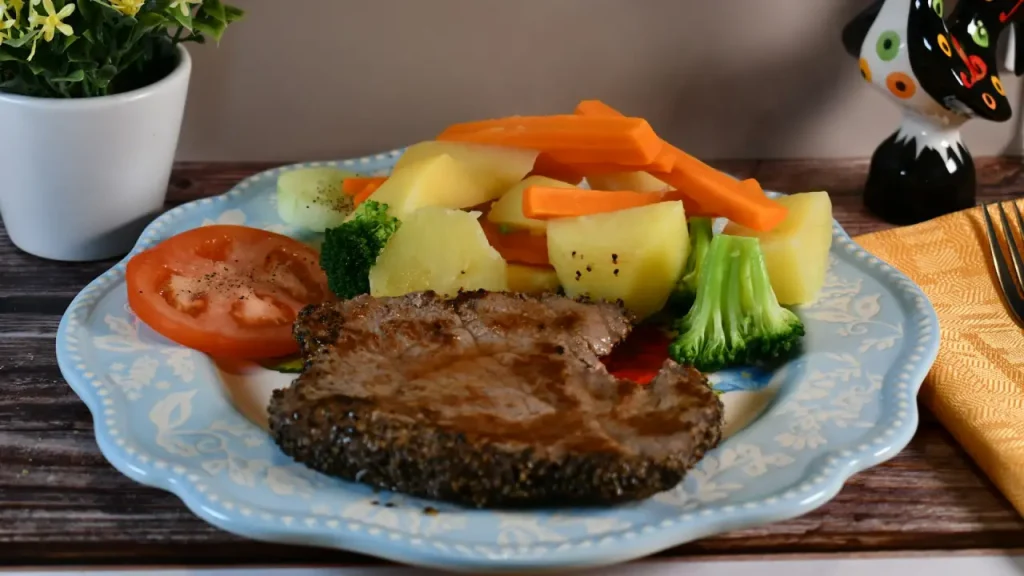
You don’t need a complicated meal plan.
As a general framework, build meals around:
Vegetables + protein + sensible portion of carbohydrate + small amount of healthy fat
For example:
Grilled salmon + vegetables + potatoes
or:
Chicken + mixed vegetables + brown rice
or:
Beans and lentils + vegetables + wholegrain toast
The exact foods can change according to your preferences.
That’s the point.
Your weight-loss eating pattern should be flexible enough to fit your life.
What Does Successful Weight Loss Actually Look Like?
Successful weight loss doesn’t mean you never feel tempted.
It doesn’t mean every meal is perfect.
It doesn’t mean the scales fall every single week.
It means you’re gradually building habits that create the results you want.
That might include:
- eating more vegetables
- eating appropriate portions
- including protein regularly
- becoming more active
- drinking fewer high-calorie drinks
- planning meals
- managing snacks
- getting back on track after setbacks
The Bottom Line
You do not have to starve yourself to lose weight.
You do need to create an appropriate calorie deficit, but there is a big difference between eating a little less and making yourself miserable.
Choose foods that provide plenty of nutrition.
Prioritise vegetables, protein and fibre-rich foods.
Pay attention to portions.
Stay active.
Allow yourself some flexibility.
And, most importantly, create an approach you can imagine following months from now — not just next Tuesday.
Losing weight is one goal.
Building a healthier way of living is the bigger win.
Frequently Asked Questions
Can I lose weight without feeling hungry all the time?
Yes. Choosing filling foods such as vegetables, protein-rich foods and fibre-rich whole foods can make a calorie-controlled eating pattern easier to follow.
Do I have to cut out bread and potatoes to lose weight?
No. Weight loss does not require eliminating particular food groups. Portion size and your overall calorie intake matter, and wholegrain choices can be useful where appropriate.
How fast should I try to lose weight?
For many adults, gradual weight loss is a sensible target. Individual circumstances vary, and a healthcare professional can help you choose an appropriate target.
Should I skip meals to lose weight?
Not necessarily. There is no universal meal schedule that works for everyone. The better approach is one that helps you control your overall intake without leaving you excessively hungry or making your eating pattern difficult to sustain.
Lose Weight Without Starving Yourself, But What happens if I have a bad day?
Nothing catastrophic.
One takeaway doesn’t erase weeks of progress.
Get back to your normal routine at the next opportunity.
Consistency matters far more than perfection.
Medical Disclaimer
This article is for general educational purposes and is not a substitute for individual medical advice. If you have a medical condition, take medicines that may affect your weight, have a history of an eating disorder, or are unsure what approach is appropriate for you, speak with a qualified healthcare professional before making significant dietary changes.