
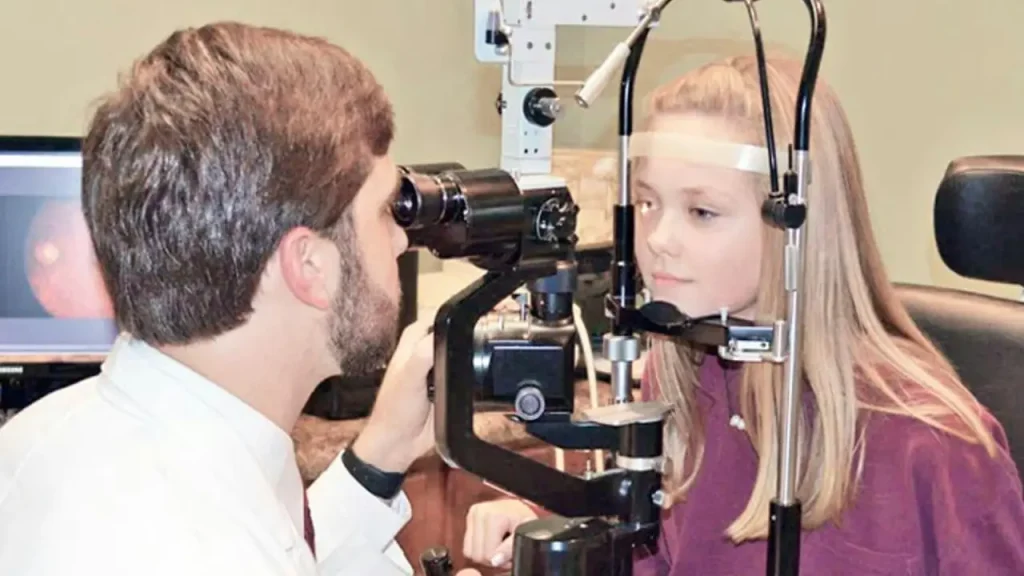
How to improve eyesight and looking after your eyesight is about much more than finding a stronger pair of glasses.
Many changes in vision are related to normal ageing, refractive errors or conditions that need professional attention. The good news is that there are several practical habits that can help protect your eyes and reduce the risk of some eye problems.
You cannot guarantee perfect eyesight simply by changing your diet or doing a few eye exercises. But regular eye care, protecting your eyes from ultraviolet light, eating a balanced diet, staying active and not smoking can all contribute to healthier eyes.
Most importantly, do not wait for a problem to become obvious before getting your eyes checked. Some eye diseases can develop without noticeable symptoms in their early stages.
1. Have Regular Eye Examinations
One of the most useful things you can do for your eye health is to have your eyes examined regularly.
An eye examination is not simply about finding out whether you need glasses. Eye-care professionals can check for problems affecting vision and look for signs of conditions such as glaucoma, cataracts, diabetic eye disease and age-related macular degeneration.
The right interval between examinations depends on your age, medical history and risk factors. People with conditions such as diabetes or high blood pressure may need more frequent monitoring. Ask your optometrist, ophthalmologist or doctor what is appropriate for you.
Some eye diseases have few or no early warning signs, so feeling that your eyesight is normal is not proof that everything is normal.
2. Protect Your Eyes From UV Light
Ultraviolet radiation can harm the eyes as well as the skin.
Make sunglasses part of your outdoor routine. Choose sunglasses that provide strong UVA and UVB protection, and consider a wide-brimmed hat for additional shade.
UV exposure is not only a summer problem. Sunglasses can be useful whenever you are exposed to strong sunlight, including around water or snow.
3. Eat for Healthy Eyes
There is no single food that can restore eyesight or prevent every eye disease.
However, a balanced diet provides nutrients that support normal eye and overall health.
Aim to eat a wide variety of:
- dark leafy green vegetables such as spinach and kale
- colourful vegetables and fruit
- beans, peas and lentils
- wholegrain foods
- nuts and seeds
- fish, particularly oily fish such as salmon
- other sources of healthy unsaturated fats
Carrots are nutritious and contain beta-carotene, which the body can use to make vitamin A. Vitamin A is important for normal vision, but eating huge quantities of carrots will not give you superhuman eyesight. Variety is more useful than relying on one “eye food”.
4. Keep Blood Sugar and Blood Pressure Under Control
Eye health is closely connected with general health.
Diabetes and high blood pressure can increase the risk of some eye diseases and vision problems. Keeping these conditions well managed is therefore part of looking after your eyesight.
If you have diabetes, follow the eye-screening and medical advice given by your healthcare team. Do not rely on the absence of symptoms, because diabetes-related eye disease can develop before noticeable changes in vision occur.
5. Stop Smoking
Smoking is harmful to virtually every part of the body, including the eyes.
It increases the risk of eye conditions such as cataracts and age-related macular degeneration and can damage the optic nerve.
Stopping smoking is therefore one of the most valuable lifestyle changes you can make for your long-term health, including your eye health.
There is no special supplement that can cancel out the damage caused by smoking. If you smoke and want to stop, ask your GP, pharmacist or a recognised stop-smoking service about the support available.
6. Stay Physically Active
Regular physical activity helps your general health and can also support eye health indirectly.
Being active can help with weight, blood pressure, blood sugar and cholesterol levels. Those factors matter because several health conditions associated with them can also affect vision.
You do not need a complicated exercise programme. Walking, cycling, swimming, gardening, dancing or strength exercises can all contribute to an active lifestyle.
Consistency matters more than choosing the perfect activity.
7. Give Your Eyes a Break From Long Screen Sessions
Spending a long time looking at a computer, phone or tablet can leave your eyes feeling tired, dry or uncomfortable.
This does not mean screens automatically damage your eyesight. Taking regular breaks can make prolonged screen use more comfortable.
Try looking away from the screen at regular intervals, blinking often and keeping the screen at a comfortable distance and brightness.
If you regularly experience persistent eye strain, headaches, blurred vision or difficulty focusing, arrange an eye examination rather than assuming the screen is the only cause.
8. Get Enough Sleep
Your eyes, like the rest of your body, benefit from adequate sleep.
Lack of sleep can contribute to tired, dry or irritated eyes and can make it harder to concentrate visually.
Aim for a regular sleep routine. If you regularly wake with very dry, painful or irritated eyes, discuss the problem with an eye-care professional.
9. Look After Contact Lenses Properly
If you wear contact lenses, good hygiene is essential.
Follow the cleaning, replacement and wearing instructions supplied for your lenses.
Wash and dry your hands before handling them, use the recommended solution and do not use tap water to clean or store lenses unless your eye-care professional has specifically told you otherwise.
Do not sleep in lenses unless they have been prescribed for overnight wear.
If your eye becomes painful, very red, unusually sensitive to light or your vision suddenly becomes worse, remove your lenses and seek urgent professional advice.
10. Know Your Family Eye Health History
Some eye diseases run in families.
Knowing whether close relatives have experienced glaucoma, age-related macular degeneration or other eye conditions gives your eye-care professional useful information when assessing your risk.
Ask close relatives whether they have had significant eye problems, and mention relevant family history at your eye examinations.
Can You Actually Improve Your Eyesight?
This depends on what is causing the change.
If blurred vision is caused by a refractive error such as short-sightedness, long-sightedness or astigmatism, glasses or contact lenses can improve how clearly you see.
Some eye diseases can be treated or controlled, particularly when they are detected early.
But healthy habits do not guarantee that existing vision loss can be reversed.
Be cautious of products, exercises or supplements that promise to restore perfect eyesight or eliminate the need for glasses. There is no simple natural trick that can replace a proper eye examination.
What About Eye Exercises?
Eye exercises are sometimes promoted online as a way to permanently improve eyesight.
There are exercises that may be useful in specific circumstances under professional guidance, but that is very different from claiming that everyone can train their eyes to eliminate common refractive errors.
Do not use eye exercises as a reason to postpone an eye examination when your vision is changing.
Can Vitamins and Supplements Improve Eyesight?
A balanced diet is the best starting point for getting the nutrients your body needs.
Supplements can be appropriate for particular deficiencies or specific medical conditions, but taking large doses of vitamins does not automatically improve eyesight.
Some eye conditions have specific evidence-based supplement formulations for selected patients, but these should be used under professional guidance rather than treated as general “vision boosters”.
More is not always better. High doses of some nutrients can be harmful.
When Should You Seek Urgent Help?
Sudden changes in vision should not be ignored.
Seek urgent medical attention if you experience:
- sudden loss or major reduction of vision
- a sudden shower of new floaters or flashes
- a dark curtain or shadow moving across your vision
- severe eye pain
- a very red and painful eye
- sudden double vision
- an eye injury involving chemicals or a foreign object
These symptoms can sometimes indicate a problem requiring rapid treatment.
Healthy Eyes Are Part of Healthy Ageing
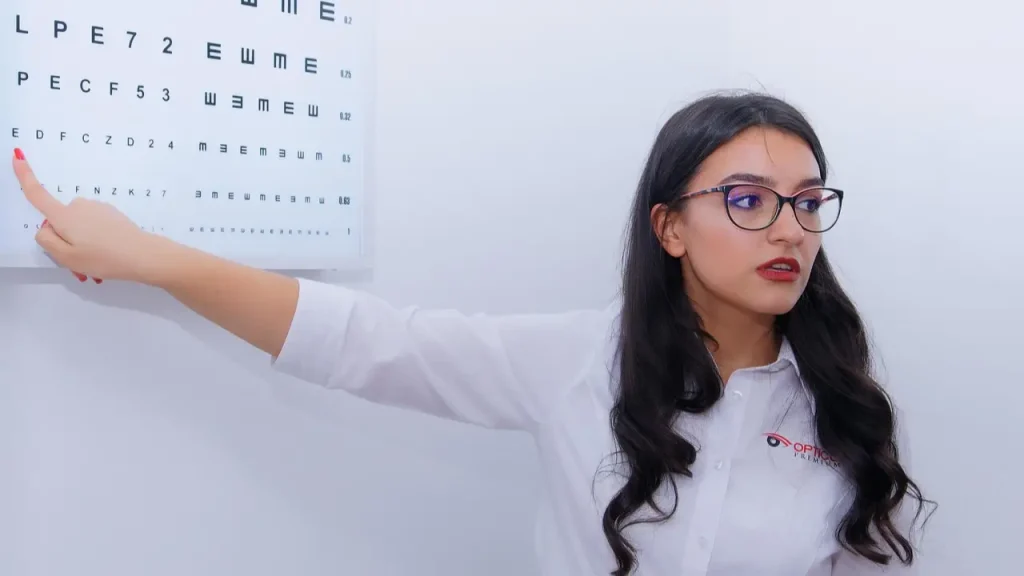
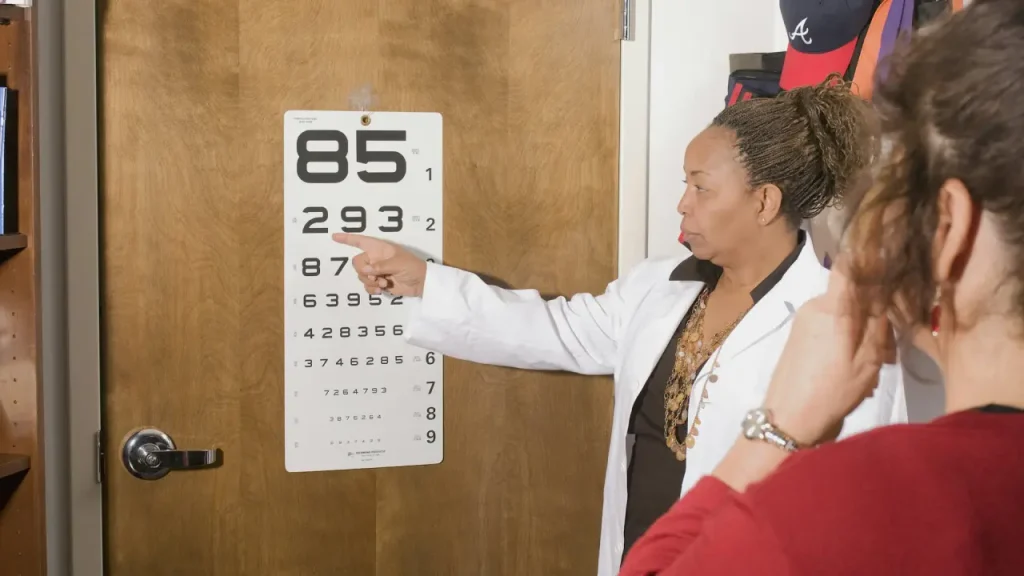
Good eyesight is not simply about being able to read the smallest line on an eye chart.
Your eyes are part of your overall health.
A sensible long-term approach is straightforward:
Have appropriate eye examinations.
Protect your eyes from UV radiation.
Eat a varied, balanced diet.
Stay physically active.
Manage conditions such as diabetes and high blood pressure.
Do not smoke.
Take sensible breaks from prolonged screen use.
Get enough sleep.
Look after contact lenses carefully.
Take changes in vision seriously.
These habits cannot guarantee perfect eyesight, but they can help protect your vision and make it easier to identify problems early.
The Bottom Line
If you want to know how to improve eyesight, start by defining what “improve” actually means.
Sometimes the answer is as simple as the correct glasses prescription.
Sometimes it means treating an eye condition.
And sometimes the best goal is not to make eyesight sharper, but to protect the vision you already have.
Regular eye care, healthy lifestyle choices and prompt attention to changes in vision are far more reliable than miracle cures.
Look after your eyes now and give them the best chance of serving you well for years to come.
Recommended Further Reading:
- Balanced Diet: The Evidence-Based Guide to Healthy Eating
- Type 2 Diabetes: Symptoms, Risk Factors & Treatment
Medical Disclaimer
This article is for general educational purposes and is not a substitute for personalised medical advice, diagnosis or treatment. If you have changes in vision, eye pain, injury or concerns about your eye health, speak with an appropriately qualified eye-care professional.